

Have you ever noticed your vehicle struggling to shift gears smoothly? It might be time to check your transfer case fluid. This essential fluid keeps your drivetrain running smoothly and protects vital components from wear and tear.
If you’ve ever felt a sudden jolt or heard strange noises while driving, you know how frustrating these issues can be. Luckily, adding transfer case fluid isn’t as daunting as it sounds. With a few simple steps, you can ensure your vehicle stays in top shape and avoid costly repairs down the line.
Key Takeaways
- Vital Role of Transfer Case Fluid: This fluid is crucial for lubrication and smooth operation of the drivetrain, especially in four-wheel drive systems.
- Types of Transfer Case Fluid: Familiarize yourself with the different types of transfer case fluids, such as Automatic Transmission Fluid (ATF), gear oil, and synthetic fluids, to ensure compatibility with your vehicle.
- Essential Tools and Supplies: Gather the necessary tools—socket set, wrench, fluid pump, drain pan, and rags—to simplify the process of adding transfer case fluid.
- Step-by-Step Procedure: Follow the outlined steps for safely adding transfer case fluid, including preparation, draining old fluid, and ensuring proper fill levels.
- Regular Maintenance is Key: Change transfer case fluid every 30,000 to 50,000 miles and monitor for signs of degradation to maintain optimal vehicle performance.
- Recognize Warning Signs: Be alert to any changes in fluid color, unusual odors, or leaks, as these may indicate potential issues with the transfer case that need immediate attention.
Understanding Transfer Case Fluid
Transfer case fluid plays a vital role in your vehicle’s drivetrain system. It lubricates the gears and ensures smooth operation, enhancing the performance of your vehicle’s four-wheel drive. Regular checks and maintenance of this fluid prevent issues that could lead to expensive repairs.
Importance of Transfer Case Fluid
Maintaining proper levels of transfer case fluid is essential for several reasons:
- Prevents Wear and Tear: Fluid lubricates moving parts, reducing friction and minimizing wear on the gears.
- Enhances Performance: Adequate fluid levels allow for smooth shifting between high and low gears, ensuring optimal performance.
- Reduces the Risk of Damage: Low fluid levels can lead to overheating and damage, resulting in costly repairs.
Types of Transfer Case Fluid
Different vehicles require specific types of transfer case fluid. Here’s a quick breakdown:
- Automatic Transmission Fluid (ATF): Commonly used in vehicles with automatic transmissions, ATF offers excellent lubrication and cooling properties.
- Gear Oil: Typically used in manual transfer cases, gear oil provides superior protection and stability under heavy loads.
- Synthetic Fluids: Many newer models recommend synthetic fluids due to their advanced properties, which enhance performance and provide better protection at extreme temperatures.
Always refer to your vehicle’s owner manual to ensure you’re using the correct type of transfer case fluid.
Tools and Supplies Needed
Gathering the right tools and supplies simplifies adding transfer case fluid. Here’s what you’ll need.
Recommended Products

🚗 Only Quart Bottle Pump that comes with LONG and SHORT SUCTION TUBES for Tall and Short Quart Bottles

🚗Fits Standard Quart Bottles with 28mm Bottle Cap

🚗Fits Wide-Mouth Quart Bottles with 38mm Bottle Cap
Recommended Tools
- Socket Set: Use for removing any bolts and covers on the transfer case.
- Wrench: Utilize for adjusting fittings and securing parts.
- Fluid Pump: Choose a funnel or pump to efficiently transfer fluid into the transfer case.
- Drain Pan: Place under the transfer case to catch any excess fluid during the process.
- Rags or Towels: Keep on hand to wipe up spills and maintain a clean working area.
- Automatic Transmission Fluid (ATF): Often recommended for many vehicles. Check manufacturer specifications for compatibility.
- Gear Oil: Suitable for high-performance vehicles. Verify viscosity ratings in your vehicle’s owner manual.
- Synthetic Fluids: Opt for these if you want enhanced performance and better temperature resistance. Always ensure they meet OEM requirements.
Having these tools and supplies ready makes adding transfer case fluid straightforward and effective.
Step-by-Step Guide on How to Add Transfer Case Fluid
Adding transfer case fluid is a straightforward task that ensures your vehicle runs smoothly. Follow these steps for an effective process.
Recommended Products

Specifically approved for use in GM automatic four-wheel drive vehicles with transfer cases

Meets the challenging demands of different all-wheel and four-wheel drive vehicles with multi-powered axles

Long lasting endurance
Preparing Your Vehicle
- Park your vehicle on a level surface and ensure it’s in park mode. Turn off the engine and engage the parking brake.
- Allow the vehicle to cool down if it has been running recently. Hot fluids can cause burns.
- Gather your tools: socket set, wrench, fluid pump, drain pan, and rags or towels.
Locating the Transfer Case
- Identify the transfer case, usually found between the transmission and the front and rear axles. Consult your vehicle’s owner manual for exact locations.
- Inspect for the fill plug, typically located on the side of the transfer case. It has a large hex head or a screw cap.
Draining Old Fluid
- Place the drain pan under the transfer case. Unscrew the drain plug using your socket or wrench.
- Allow the old fluid to completely drain into the pan. Monitor for any unusual debris, which may indicate wear issues.
- Reinstall the drain plug once the fluid has fully drained. Tighten it securely to prevent leaks.
Adding New Fluid
- Use a fluid pump to transfer the appropriate type of new transfer case fluid into the fill plug. Consult your owner manual for the correct fluid type.
- Pump until the fluid begins to ooze out of the fill hole, indicating it’s full.
- After adding fluid, replace the fill plug securely. Don’t overtighten as it may strip the threads.
- Start the engine and let it run for a few minutes. Shift through all gears and let the vehicle settle for a moment.
- Recheck fluid levels and add more if necessary. The ideal level is just below the fill plug opening.
Following these steps helps maintain the transfer case and optimize your vehicle’s performance.
Maintenance Tips for Transfer Case Fluid
Maintaining transfer case fluid is essential for vehicle performance. Regular checks and timely changes help avoid complications.
Recommended Products

【Multiple Applications】This transmission fluid pump fits standard quart bottles come with 28mm bottle cap,with an 8cc per pump stroke capacity,Suitable for dozens of uses including oil changes,siphoning gasoline,and transferring a wide range of fluids such as engine oil, biodiesel, kerosene, or shampoo,detergent.

Efficient Pumping: This fluid transfer pump comes with two different height suction tubes for quart bottles of different heights, making it easy to reach the bottom of the bottle. Easily control the amount of fluid pumped out without worrying about overfilling, making oil change operations easier on boats and vehicles.
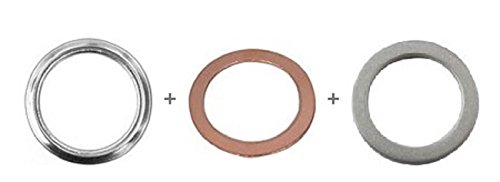
GENUINE TOYOTA GASKET KIT
Frequency of Changes
Change transfer case fluid every 30,000 to 50,000 miles, depending on your vehicle’s make and model. Some vehicles require more frequent changes, especially if used for towing or off-roading. Always refer to your owner’s manual for manufacturer recommendations. Regular changes ensure optimal lubrication and prevent wear.
Signs of Fluid Degradation
Monitor your transfer case fluid for signs of degradation, such as:
- Color Change: Fluid should be clear or light brown. Dark, opaque fluid indicates contamination.
- Unusual Odor: A burnt smell suggests overheating or degradation.
- Metallic Particles: Presence of metal shavings can signal internal wear.
- Fluid Leaks: Puddles or spots under your vehicle indicate leaks that need attention.
Address these issues promptly to maintain your transfer case’s health. Regular inspections prevent larger problems down the road.
Conclusion
Taking care of your transfer case fluid is key to keeping your vehicle running smoothly. By staying on top of regular checks and changes you can avoid potential headaches down the road. Remember to pay attention to any signs that might indicate a problem.
With a little effort you’ll not only extend the life of your drivetrain but also enjoy a better driving experience. So grab that fluid and get to work—your vehicle will thank you!
Frequently Asked Questions
Why is transfer case fluid important?
Transfer case fluid is essential for lubricating the components of a vehicle’s drivetrain. It helps in transferring power between the front and rear axles, ensuring smooth operation and performance.
How often should I change my transfer case fluid?
It’s generally recommended to change transfer case fluid every 30,000 to 50,000 miles. However, if you frequently tow or go off-roading, more frequent changes may be necessary.
What signs indicate that transfer case fluid needs to be changed?
Look for signs such as dark or burnt fluid color, unusual odors, metallic particles in the fluid, or noticeable leaks. These can indicate degradation and need for replacement.
Can neglecting transfer case fluid lead to costly repairs?
Yes, failing to maintain transfer case fluid can result in increased wear and tear on drivetrain components, potentially leading to significant and costly repairs down the line. Regular inspections are crucial.
How do I inspect transfer case fluid?
Inspect transfer case fluid by checking its color and smell, looking for leaks under the vehicle, and observing for any metallic particles. Regular visual checks can help catch issues early.
