

Have you ever found yourself squinting through a dirty windshield on a chilly morning? It’s frustrating when your washer fluid freezes, leaving you with a hazy view. Luckily, adding antifreeze to your windshield washer fluid is a simple fix that can save you from this common headache.
Key Takeaways
- Importance of Antifreeze: Adding antifreeze to your windshield washer fluid is crucial for maintaining visibility and preventing the fluid from freezing during cold weather.
- Choosing the Right Fluid: Opt for an antifreeze-compatible washer fluid, ideally labeled as “all-season” or “winter formula,” and check temperature ratings to match your climate.
- Step-by-Step Process: Locate the washer fluid reservoir, mix the antifreeze with washer fluid according to manufacturer instructions, and fill the reservoir carefully to ensure functionality.
- Regular Maintenance: Inspect fluid levels monthly and top up with the appropriate antifreeze blend to ensure your system remains effective, especially before winter months.
- Seasonal Adjustments: Adapt your washer fluid based on the seasons; use antifreeze in winter and switch to summer formulas with additional cleaning agents in warmer months.
Understanding Windshield Washer Fluid
Windshield washer fluid plays a crucial role in maintaining clear visibility while driving. You rely on it to remove dirt, grime, and debris from your windshield. The right blend ensures the fluid won’t freeze in low temperatures, keeping your view unobstructed.
Importance of Windshield Washer Fluid
Windshield washer fluid serves multiple purposes. It enhances visibility and promotes safety on the road. Here are some key benefits:
- Cleans Windshields: It effectively removes dirt, bird droppings, and other contaminants, making it essential for clear visibility.
- Prevents Freezing: A proper formulation contains antifreeze agents, stopping the fluid from freezing in cold weather.
- Protects Wiper Blades: Quality fluids reduce wear on wiper blades, prolonging their lifespan and optimizing performance.
When to Use Antifreeze
Using antifreeze in windshield washer fluid becomes essential during colder months. Monitor temperatures; antifreeze comes into play when nighttime lows drop below freezing. Follow these guidelines:
- Cold Weather: Use antifreeze washer fluid in winter to prevent freezing.
- Mixing Ratios: When mixing with regular washer fluid, follow manufacturer guidelines for the correct ratio to ensure efficiency.
- Check Fluid Regularly: Inspect fluid levels as part of routine vehicle maintenance. Top off with antifreeze solution when running low in winter.
Taking these steps ensures your windshield stays clear and your driving remains safe, no matter the weather.
Preparing to Add Antifreeze
You prepare by gathering the right antifreeze and essential tools for this task. Doing so ensures a smooth process and effective results.
Recommended Products

EXTREME COLD PROTECTION: Formulated to provide reliable -20°F freeze protection, keeping your windshield washer system functioning in harsh winter conditions

advanced Water beading technology leaves no streaks and is glare free

Trusted Formula for Over 30 Years: Kristall Klar has been the choice for those who want a crystal clear view of the road ahead without the streaks and smears typical of standard washer fluids
Choosing the Right Antifreeze
Select a windshield washer fluid containing antifreeze specifically designed for cold temperatures. Look for products labeled “all-season” or “winter formula.” These options typically contain methanol or isopropanol, which lower the freezing point. Check the product’s temperature rating to ensure it suits your climate; for example, choose a fluid rated for -20°F if your area experiences such temperatures.
Necessary Tools and Materials
Collect the following items before starting:
- Windshield Washer Fluid: Antifreeze-compatible fluid in a jug.
- Funnel: A funnel can help avoid spills while pouring.
- Gloves: Protect your hands from chemicals while you work.
- Clean Cloth: A cloth can clean spills from the vehicle’s surface.
Having these tools ready makes the process straightforward and prevents potential messes.
Step-by-Step Guide to Adding Antifreeze
Adding antifreeze to your windshield washer fluid protects your visibility during cold weather. Follow these steps to ensure a smooth process.
Recommended Products

SUPER CONCENTRATED WASHER FLUID: 16 fl oz washer fluid bottle makes 165 gallons of summer blend washer fluid. Just pump three times per gallon of water, directly into your windshield washer fluid tank.
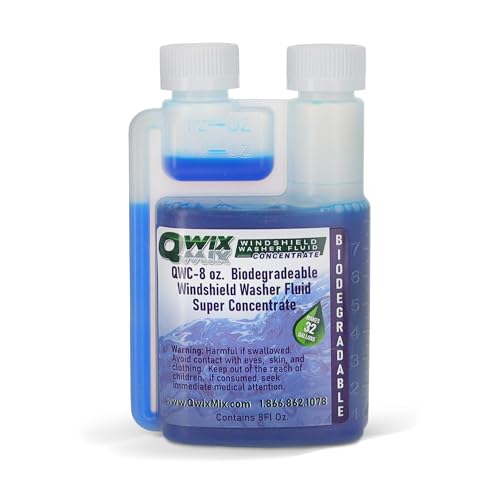
[Super Concentrated Savings] Qwix Mix windshield washer fluid concentrate makes up to 55 gallons of premium windshield washer fluid from one 8 oz bottle, saving money versus pre-mixed windshield washer fluids
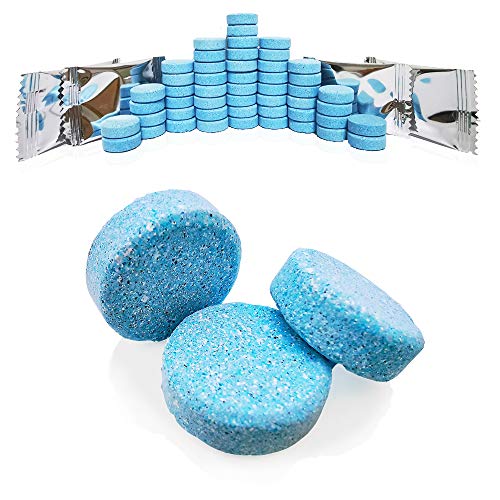
【Portable & Cost-Effective】Our windshield washer tablets are compact (16mm*2mm) and portable, making them easy to store and carry. Each tablet equals 1 gallon of washing liquid, offering significant savings compared to traditional fluids. Perfect for car windshield wiper fluid needs, these tablets are ideal for drivers looking for a convenient and economical solution.
Locating the Washer Fluid Reservoir
- Locate the washer fluid reservoir under the hood of your vehicle. It’s often marked with a windshield icon and usually has a translucent or white cap.
- Familiarize yourself with its position; it might vary by make and model. Frequently, it sits near the back of the engine bay.
Mixing Antifreeze with Washer Fluid
- Select an antifreeze-based washer fluid designed specifically for cold temperatures. Check the product label for “antifreeze” or “freeze protection” indications.
- Follow the manufacturer’s instructions on the label for the correct mixture ratio. Usually, a 50/50 mix of washer fluid and antifreeze provides effective protection.
Filling the Reservoir
- Remove the cap of the washer fluid reservoir. Set it aside, ensuring a clean area to avoid contamination.
- Use a funnel to pour the mixed fluid into the reservoir. Fill until it reaches the “full” mark, if applicable.
- Clean any spills with a cloth to prevent residue on engine components.
- After filling, replace the cap securely on the washer fluid reservoir.
- Turn on your vehicle and activate the windshield wipers, spraying washer fluid to check for effective operation.
- Ensure the fluid sprays evenly across the windshield without obstruction. If it doesn’t spray well, recheck the reservoir and ensure it’s filled adequately.
Tips for Maintenance
Maintaining your windshield washer fluid ensures optimal visibility and safety. Follow these tips for effective care of your system.
Recommended Products

32°F+ Summer Blend: Ideal for warm-weather driving conditions while maintaining optimal cleaning power

This item can no be shipped to the state in California, Техаs, Arizona please check with the manufacturer regarding warranty and support issues.

Instantly removes fog and condensation from auto windows and mirrors
Regular Checks and Top-Ups
Check your windshield washer fluid at least once a month, especially before long trips. Look for signs of low fluid, such as reduced spray or streaks on your windshield. Top up the fluid as needed, using the appropriate antifreeze-based washer fluid for cold weather. Ensure the mixture is correct, typically one part antifreeze to three parts water, for efficient freezing protection. A simple inspection can prevent complications in harsh weather conditions.
Seasonal Considerations
Consider the changing seasons when managing your washer fluid. In autumn, ensure your fluid contains antifreeze to combat freezing temperatures. In spring, switch to a summer formula that may include additional cleaning agents. Store the antifreeze in a cool, dry place, and dispose of any expired fluid properly. Seasonal adjustments help maintain the effectiveness of your washer system, keeping your windshield clear all year round.
Conclusion
Keeping your windshield washer fluid topped off with antifreeze is a simple yet effective way to ensure clear visibility during the colder months. By taking the time to check your fluid levels and adjust the mixture as needed, you can avoid the frustration of a frozen windshield.
Regular maintenance not only helps your wiper blades last longer but also keeps your driving experience safe and comfortable. So don’t forget to make this a part of your seasonal routine. Your future self will thank you when you can see clearly, no matter the weather.
Frequently Asked Questions
Why does windshield washer fluid freeze in cold weather?
Windshield washer fluid can freeze if the mixture does not contain enough antifreeze. In cold temperatures, typical water-based fluids can solidify, making it difficult to clean your windshield, which can impair visibility.
How can I prevent my windshield washer fluid from freezing?
To prevent freezing, use an antifreeze-based washer fluid designed for cold weather. Ensure the fluid is mixed correctly, with the right ratio to protect against low temperatures and regularly check and refill as needed.
What are the benefits of using windshield washer fluid?
Windshield washer fluid helps maintain clear visibility by cleaning dirt, grime, and bugs from your windshield. It also protects wiper blades from damage and ensures they operate effectively, enhancing driving safety.
How often should I check my windshield washer fluid?
It’s best to check your windshield washer fluid monthly or before long trips. Regularly topping off the fluid ensures you have enough for emergencies and helps maintain optimal visibility in all weather conditions.
Can I use plain water instead of washer fluid?
Using plain water is not recommended, especially in cold weather, as it can freeze and fail to clean effectively. Always use windshield washer fluid designed for various weather conditions to ensure optimal functionality.
