

Ever wondered how often you should change your brake fluid? Picture this: you’re cruising down the road, and suddenly, you need to slam on the brakes. Your ability to stop safely depends on the condition of your brake fluid. So, how do you know when it’s time for a change?
Key Takeaways
- Brake fluid is crucial for maintaining proper brake function by transmitting force from the brake pedal to the brakes.
- Follow manufacturer’s recommendations, usually changing brake fluid every 2 years or as specified in your car’s maintenance schedule.
- Factors like driving conditions, climate, usage patterns, and fluid type influence how often you should change brake fluid for optimal performance.
- Signs indicating the need for a brake fluid change include dark or cloudy appearance, visible impurities, spongy pedal feel, and reduced braking response.
- When changing brake fluid, ensure you have the necessary tools and materials, follow a systematic process of removal and refilling with new fluid, and bleed brakes at each wheel.
Understanding Brake Fluid and Its Functions
Brake fluid is a hydraulic fluid that plays a crucial role in your vehicle’s braking system. It transmits the force applied to the brake pedal to the brakes at each wheel, allowing you to slow down or stop your car efficiently.
What Is Brake Fluid?
Brake fluid is a specially formulated liquid designed to withstand high temperatures and pressure within the braking system. It is typically glycol-ether based or silicone-based, depending on the vehicle’s requirements.
Why Is Brake Fluid Essential?
Brake fluid is essential for maintaining proper brake function. Over time, brake fluid can absorb moisture from the air, leading to decreased performance and potential corrosion within the braking system. Regularly changing the brake fluid according to your manufacturer’s recommendations helps ensure optimal braking performance and safety on the road.
How Often Should You Change Your Brake system Fluid?
Ensuring your brake system functions optimally is crucial for your safety on the road. Here’s how you can determine the frequency of changing your brake fluid.
Recommended Products

Efficient One-Man Operation: This brake fluid bleeder tool kit allows for a hassle-free and efficient oil replacement process with its innovative design, enabling a one-man operation and eliminating the need for additional assistance.

Manufacturer’s Recommendations
Follow the guidelines provided by your vehicle’s manufacturer regarding brake fluid change intervals. Typically, it’s recommended to change the brake fluid every 2 years or as specified in your car’s maintenance schedule. Different manufacturers may have varying recommendations, so consult your owner’s manual for accurate information.
Factors That Influence Brake Viscous Change Frequency
Several factors affect how often you should change your brake fluid to maintain peak performance:
- Driving Conditions: If you frequently drive in stop-and-go traffic or mountainous areas that require heavy braking, consider changing the brake fluid more often.
- Climate: Extreme temperatures can impact the brake fluid quality. In hot climates, heat can cause the fluid to degrade faster, necessitating more frequent changes.
- Usage Patterns: Regularly using your brakes heavily, such as towing trailers or carrying heavy loads, accelerates brake fluid deterioration and may require more frequent changes.
- Fluid Type: The type of brake fluid used in your vehicle also influences change frequency. Different types have varying service life expectations; refer to manufacturer recommendations for specifics.
By staying informed about these factors and adhering to manufacturer guidelines, you’ll ensure that your brake system remains reliable and responsive when you need it most.
Signs That Your Brake solvent Needs Changing
Inspecting your brake fluid regularly is crucial to ensure your vehicle’s braking system functions optimally. Here are some indicators that it might be time to change your brake fluid:
Recommended Products

Test the car brake fluid quality quickly to check whether it’s qualified, which can remind you to change the brake fluid when necessary to avoid traffic accident

Durable and Corrosion-Resistant : Featuring a corrosion-resistant probe, this brake fluid tester is designed for long-lasting performance. The durable construction ensures that the tool remains effective over time, even with frequent use, making it a reliable addition to your maintenance toolkit

WIDE RANGE OF APPLICATIONS: The automotive brake fluid tester is a universal device for most vehicles. It can check the condition of DOT-3, DOT-4, DOT-5.1 brake fluids as well as most synthetic brake fluids. It is extremely easy for personal use and is widely used for private workshops, repair shops and car dealerships.
Visual Inspection
Check the color of your brake fluid. Fresh brake fluid is usually clear or slightly yellow. If it appears dark, dirty, or cloudy, it’s a sign that contaminants have entered the system and the fluid needs replacing.
Look for any visible particles or debris in the brake fluid reservoir. Presence of these impurities indicates that the fluid has deteriorated and may not provide adequate lubrication and corrosion protection.
Testing Brake Performance
Pay attention to how your brakes feel when you apply them. If you notice a spongy or soft pedal, it could indicate air bubbles or moisture in the brake lines due to degraded brake fluid.
Test your braking response. If you experience delayed braking or reduced stopping power, it could be a sign of old or contaminated brake fluid compromising the efficiency of your braking system.
By staying alert to these signs and addressing them promptly, you can maintain optimal performance and safety in your vehicle’s braking system. Regularly changing your brake fluid according to manufacturer recommendations will help ensure smooth operation and reliable stopping power when you need it most.
The Process of Changing Brake soft liquid
Changing brake fluid is essential for maintaining your vehicle’s braking system in optimal condition. Here’s a simple guide to help you through the process.
Recommended Products

Mixes well with conventional fluids

Enhanced Reach with Upgraded Tubes: The automotive syringe includes two 9" extension tubes (0.24" and 0.32" Dia) that can connect to create a 18" reach, plus an additional 32" flexible hose. The soft hose easily bends, making it perfect for deep or hard-to-reach areas.
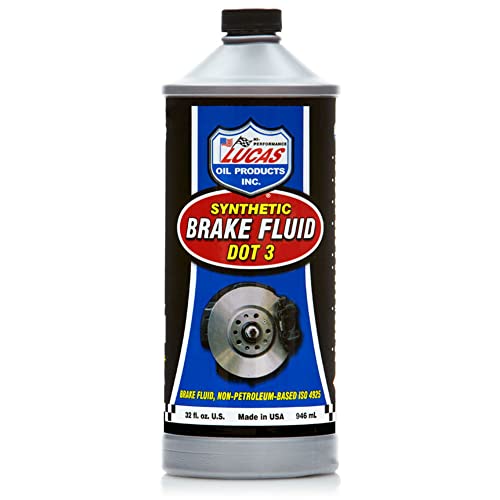
High quality blend of polyethylene glycol ethers and additives
Tools and Materials Needed
To change your brake fluid, you’ll need the following tools and materials:
- New brake fluid recommended by your vehicle’s manufacturer
- Turkey baster or a syringe
- Wrench
- Clean cloth or paper towels
- Container to collect old brake fluid
- Bleeder wrench or line wrench
- Clear tubing (to fit over bleeder valve)
- Prepare Your Vehicle:
- Park on a level surface and engage the parking brake.
- Locate the brake fluid reservoir under the hood.
- Remove Old Brake Fluid:
- Use a turkey baster or syringe to remove as much old fluid as possible from the reservoir.
- Clean around the reservoir cap before opening it.
- Refill with New Fluid:
- Fill the reservoir with new brake fluid up to the recommended level indicated on the container.
- Bleed Brakes:
- Start at the wheel farthest from the master cylinder.
- Attach clear tubing to the bleeder valve and submerge its other end in a container filled with clean brake fluid.
- Have someone press down on the brake pedal while you loosen and then tighten the bleeder valve.
- Repeat for Each Wheel:
- Move systematically to each wheel, repeating the bleeding process until you see clean, bubble-free fluid coming out.
- Check Reservoir Level:
- Ensure that there is always an adequate amount of brake fluid in the reservoir throughout this process.
- Test Your Brakes:
- After completing all wheels, test your brakes by gently pressing down on them while stationary before taking your vehicle for a test drive.
By following these steps and changing your brake fluid at regular intervals as recommended by your manufacturer, you can help ensure that your vehicle’s braking system operates effectively when needed most.
Conclusion
Remember, keeping your brake fluid fresh is crucial for maintaining optimal braking performance and ensuring your safety on the road. By understanding the significance of brake fluid, knowing when to change it based on driving conditions and climate, and following the step-by-step guide provided in this article, you can proactively care for your vehicle’s braking system. Regularly changing your brake fluid at recommended intervals will help prevent moisture buildup and maintain the efficiency of your brakes when you need them most. Stay proactive with your maintenance routine to enjoy smooth and reliable braking every time you hit the road.
Frequently Asked Questions
What is the role of brake fluid in a vehicle’s braking system?
Brake fluid transmits force from the brake pedal to the brakes, enabling safe and efficient braking.
Why is it important to change brake fluid regularly?
Regular changes prevent moisture absorption, maintain optimal braking performance, and ensure safety.
What factors affect how often brake fluid should be changed?
Driving conditions, climate, and manufacturer recommendations influence the frequency of brake fluid changes.
Can you provide a brief overview of how to change brake fluid?
Changing brake fluid involves preparing tools and materials, removing old fluid, refilling with new fluid, bleeding brakes, checking reservoir levels, and testing brakes for effectiveness.
