

Have you ever wondered how often you should change your transfer case fluid? It’s a question many vehicle owners overlook, yet it plays a crucial role in keeping your four-wheel drive system running smoothly. Ignoring this maintenance task can lead to costly repairs down the road.
Imagine you’re on a road trip, and suddenly your vehicle starts acting up. That’s the last thing you want. By staying on top of transfer case fluid changes, you can avoid these headaches and ensure your vehicle performs at its best. This article will guide you through the signs that indicate when it’s time for a change and provide tips on how to keep your transfer case in top shape.
Key Takeaways
- Regular Maintenance is Key: Change transfer case fluid every 30,000 to 50,000 miles, or every 2 to 4 years, to ensure optimal performance of your four-wheel drive system.
- Recognize Warning Signs: Pay attention to unusual noises and performance issues, such as difficulty shifting gears, as these may indicate that a fluid change is needed.
- Avoid Costly Repairs: Proactive maintenance helps prevent overheating and premature wear, ultimately saving you money on repairs or replacements.
- Consult Manufacturer Guidelines: Always refer to your vehicle’s owner’s manual for specific recommendations regarding transfer case fluid changes based on your driving conditions.
- Easy DIY Process: Changing transfer case fluid can be a manageable task with the right tools, including a drain pan, socket wrench, and fluid pump.
- Long-Term Benefits: Regular fluid changes enhance vehicle performance, simplify future maintenance, and contribute to the longevity of your transfer case and overall vehicle.
Importance Of Transfer Case Fluid
Transfer case fluid plays a crucial role in your vehicle’s four-wheel drive system. It lubricates and cools the gears, ensuring smooth operation and preventing wear. Without proper fluid, the system can overheat and lead to costly damage.
Protects Against Wear
Fresh transfer case fluid prevents friction between gears. Old or contaminated fluid can cause excessive wear, leading to premature failure. Changing the fluid regularly keeps your transfer case functioning optimally.
Enhances Performance
Quality fluid enhances the performance of your vehicle in various driving conditions. It allows for seamless transitions between two-wheel and four-wheel drive, improving traction and control. Regular fluid changes support consistent performance, especially during off-road adventures.
Prevents Overheating
Transfer case fluid helps manage heat that builds up during operation. Overheated fluid can break down, losing its effectiveness. This can cause significant issues, including complete transfer case failure. Staying on top of fluid changes minimizes the risk of overheating.
Saves Money
Neglecting transfer case fluid maintenance can result in substantial repair costs. Regularly changing the fluid costs significantly less than repairing or replacing a damaged transfer case. Proactive maintenance ensures long-term savings and extends the life of your vehicle.
Simplifies Future Maintenance
Keeping up with fluid changes makes future maintenance easier. A well-maintained transfer case runs cleaner and operates more efficiently. This can reduce the likelihood of other issues arising, simplifying your overall vehicle care routine.
To summarize, prioritizing transfer case fluid is essential for preserving the functionality and longevity of your vehicle’s four-wheel drive system. Make regular fluid changes part of your routine to ensure a smooth and reliable ride.
Signs That Fluid Change Is Needed
Recognizing when to change transfer case fluid is essential for maintaining your vehicle’s performance. Look out for these signs that indicate a fluid change is necessary.
Unusual Noises
Hearing grinding or clunking noises during operation signals potential transfer case issues. These sounds may stem from low or contaminated fluid, leading to inadequate lubrication. If you notice unusual noises, check the fluid level immediately.
Performance Issues
Experiencing difficulty shifting gears or a sluggish response when engaging four-wheel drive indicates a problem. These performance issues may arise from old, degraded fluid impacting the transfer case’s functionality. Address these symptoms promptly to prevent further damage.
Recommended Change Intervals
Changing transfer case fluid at the right intervals helps keep your four-wheel drive system operating smoothly. Regular maintenance prevents costly issues and ensures your vehicle performs at its best.
Recommended Products

Specifically approved for use in GM automatic four-wheel drive vehicles with transfer cases

REACH HARD-TO-ACCESS SERVICE POINTS: Some maintenance jobs are difficult because fill ports are hidden or located in tight spaces. FOUR UNCLES Fluid Transfer Syringe with flexible hose helps you reach challenging areas while making fluid extraction and refilling easier and cleaner.

Manufacturer Guidelines
Consult the owner’s manual for specific recommendations. Manufacturers typically suggest changing transfer case fluid every 30,000 to 50,000 miles or every 2 to 4 years, depending on driving conditions. Vehicles frequently used for towing or off-roading may require more frequent changes.
General Recommendations
Consider these general intervals for fluid changes:
- Every 30,000 miles: Suitable for light use, ensuring fluid remains effective and clean.
- Every 50,000 miles: Recommended for average driving conditions, striking a balance between maintenance and performance.
- Every 15,000 miles: Best for heavy-duty applications, such as towing or off-road driving, to prevent overheating and wear.
Monitor performance and fluid condition. If you notice unusual noises or shifting difficulties, check the fluid level and consider a change, regardless of mileage.
How To Change Transfer Case Fluid
Changing the transfer case fluid helps maintain your vehicle’s performance and longevity. The process can be done with the right tools and a little time.
Recommended Products

【Multiple Applications】This transmission fluid pump fits standard quart bottles come with 28mm bottle cap,with an 8cc per pump stroke capacity,Suitable for dozens of uses including oil changes,siphoning gasoline,and transferring a wide range of fluids such as engine oil, biodiesel, kerosene, or shampoo,detergent.

Efficient Pumping: This fluid transfer pump comes with two different height suction tubes for quart bottles of different heights, making it easy to reach the bottom of the bottle. Easily control the amount of fluid pumped out without worrying about overfilling, making oil change operations easier on boats and vehicles.

[High-quality Materials] The lower gear oil pump is made of high-quality materials, which is durable and ensures fast and precise refilling of lubricating oil for the lower device of the marine engine, and is easy to use.
Tools Required
- Drain Pan: Collects used fluid.
- Socket Wrench Set: For removing and tightening bolts.
- Torque Wrench: Ensures bolts are tightened to specifications.
- Fluid Pump: Aids in filling new fluid into the transfer case.
- Funnel: Helps pour fluid cleanly.
- Shop Towels: For cleanup and spills.
- Safety Gear: Gloves and goggles protect against contaminants.
- Prepare: Park on a level surface. Engage the parking brake and wear safety gear.
- Locate the Transfer Case: Find the transfer case under your vehicle. Refer to the owner’s manual for the exact location.
- Drain Old Fluid: Position the drain pan under the transfer case. Remove the drain plug using a socket wrench. Allow the old fluid to drain completely.
- Inspect and Clean: Check the drain plug for metal shavings. Clean the area around the plug and wipe off debris.
- Replace the Drain Plug: Reinsert and tighten the drain plug. Use a torque wrench if needed, adhering to specified torque values.
- Fill with New Fluid: Use a fluid pump to fill the transfer case with new fluid via the fill plug. Refer to the owner’s manual for the correct type and amount of fluid.
- Check Level: After filling, check the fluid level with your finger or a dipstick, if available. Add more fluid if necessary.
- Replace the Fill Plug: Securely tighten the fill plug using a socket wrench.
- Clean Up: Dispose of the used fluid responsibly and clean any spills with shop towels.
Regularly changing the transfer case fluid not only enhances performance but also ensures the reliability of your vehicle.
Conclusion
Taking care of your transfer case fluid is key to keeping your vehicle running smoothly. By sticking to a regular change schedule you’re not just protecting your investment but also ensuring a safer and more enjoyable driving experience.
Pay attention to any signs that might indicate a need for a fluid change and don’t hesitate to jump into the maintenance process when necessary. With the right tools and a little know-how you can easily tackle this task and keep your four-wheel drive system in top shape.
So make that fluid change a priority and enjoy the peace of mind that comes with a well-maintained vehicle.
Frequently Asked Questions
Recommended Products

HANDY DESIGN - Plunger pump design screws in and locks down for storage. A third hand adapter secures the fill tube while pumping, offering convenience and ease of use.

HIGH-CAPACITY TRANSFER - This 200cc fluid extractor pump effectively removes and fills brake fluid, gear oil, antifreeze, and power steering fluid with precise control, making routine maintenance and fluid changes cleaner and more efficient
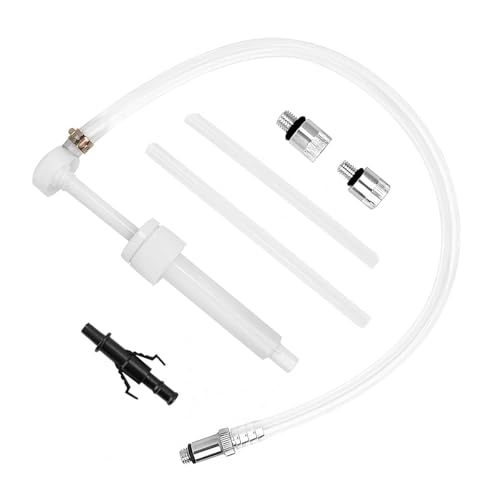
Complete 1 Set Kit: This car transmission fluid pump kit includes all necessary components for fluid transfer tasks. The full set comes with the main pump body and matching adapters, supporting direct use for various vehicle fluid changing needs.
Why are regular transfer case fluid changes important?
Regular transfer case fluid changes are crucial for maintaining a healthy four-wheel drive system. Fresh fluid prevents costly damage, enhances vehicle performance, safeguards against wear, and helps the system perform well in various driving conditions.
How often should I change my transfer case fluid?
Change transfer case fluid every 30,000 to 50,000 miles, or more frequently if you drive in severe conditions. Always refer to your vehicle’s manual for specific recommendations based on driving habits.
What signs indicate that I need a transfer case fluid change?
Signs include unusual noises from the transfer case, difficulty engaging the four-wheel drive, or performance issues like slipping. If you notice any of these, it’s time to check and potentially change the fluid.
What is the process for changing transfer case fluid?
The process involves draining the old fluid, inspecting and cleaning components, and then filling the transfer case with new fluid. Proper tools and preparation are essential for a successful fluid change.
Can I change the transfer case fluid myself?
Yes, you can change the transfer case fluid yourself if you have the right tools and knowledge. However, if you are unsure, consider consulting a professional to ensure the job is done correctly.
