

Have you ever wondered how often you should change your transfer case fluid? It’s a question many vehicle owners overlook, yet it plays a crucial role in keeping your drivetrain running smoothly. Ignoring this maintenance task can lead to costly repairs down the road.
Imagine you’re gearing up for a road trip, and suddenly your vehicle starts acting up. Regularly changing your transfer case fluid can help prevent those unexpected breakdowns and keep your ride reliable. In this article, you’ll discover the recommended intervals for changing this fluid, the signs that indicate it’s time for a change, and tips to make the process easier. By staying informed, you’ll ensure your vehicle remains in top shape for every journey.
Key Takeaways
- Regular Maintenance is Crucial: Changing your transfer case fluid regularly helps prevent costly repairs and keeps your drivetrain functioning smoothly.
- Follow Manufacturer Guidelines: Always adhere to your vehicle’s owner’s manual for specific recommendations on fluid change intervals, typically ranging from 30,000 to 60,000 miles.
- Driving Conditions Matter: Adjust fluid change frequency based on driving conditions; severe environments may necessitate changes every 15,000 to 30,000 miles, while standard highway driving allows for 30,000 to 50,000 miles.
- Monitor Fluid Condition: Regularly check the color and consistency of the transfer case fluid; dark or burnt-smelling fluid indicates a need for change.
- Signs of Wear: Be alert to dashboard warning lights and inspect fluid for signs of contamination, as these are indicators that a fluid change is necessary.
Understanding Transfer Case Fluid
Transfer case fluid plays a crucial role in your vehicle’s performance. Understanding its importance and functions can help you maintain your drivetrain effectively.
Importance of Transfer Case Fluid
Transfer case fluid keeps your vehicle’s four-wheel-drive (4WD) system operating smoothly. Regular changes prevent contamination and ensure proper lubrication. Neglecting this maintenance can lead to increased wear, potential failure of the transfer case, and costly repairs. For optimal performance, check your manufacturer’s guidelines for recommended change intervals.
Functions of Transfer Case Fluid
Transfer case fluid serves several key functions:
- Lubrication: It lubricates gears and bearings within the transfer case, reducing friction and preventing heat buildup.
- Cooling: Fluid helps dissipate heat generated during operation, which protects components from damage.
- Contaminant Removal: It carries away metal shavings, dirt, and other particles, helping to maintain a clean system.
- Sealing: The fluid creates a seal in the transfer case, preventing leaks and keeping components functioning properly.
By keeping transfer case fluid clean and at the proper level, you ensure your vehicle operates efficiently under various driving conditions.
Factors Influencing Fluid Change Frequency
Several factors determine how often you should change your transfer case fluid. Understanding these factors can help you maintain the efficiency and longevity of your vehicle’s drivetrain.
Recommended Products

Specifically approved for use in GM automatic four-wheel drive vehicles with transfer cases

【Multiple Applications】This transmission fluid pump fits standard quart bottles come with 28mm bottle cap,with an 8cc per pump stroke capacity,Suitable for dozens of uses including oil changes,siphoning gasoline,and transferring a wide range of fluids such as engine oil, biodiesel, kerosene, or shampoo,detergent.

🚗Fits Standard Quart Bottles with 28mm Bottle Cap
Vehicle Make and Model
Vehicle make and model play a significant role in fluid change frequency. Different manufacturers have varying recommendations based on design and engineering. For example, vehicles like trucks designed for towing may need more frequent fluid changes than standard sedans. Always consult your owner’s manual or manufacturer’s guidelines for specific recommendations.
Driving Conditions
Driving conditions directly impact transfer case fluid longevity. Frequent stop-and-go traffic, heavy off-roading, or extreme temperatures can increase wear on the fluid. If you regularly drive in challenging environments, such as muddy trails or steep terrain, consider changing the fluid every 15,000 to 30,000 miles. In contrast, if you primarily drive on highways, you may extend the interval to 30,000 to 50,000 miles.
Mileage and Usage Patterns
Mileage and usage patterns are crucial in determining fluid change frequency. High-mileage vehicles generally experience more strain on their components. If your vehicle accumulates over 100,000 miles, consider changing the transfer case fluid more frequently to prevent buildup and maintain optimal performance. Regular usage of four-wheel drive will also require more frequent changes compared to occasional use, so keep an eye on your driving habits.
Recommended Change Intervals
Regularly changing transfer case fluid is essential for optimal vehicle performance. Here’s what you need to know about recommended change intervals.
Recommended Products

🚗 Only Quart Bottle Pump that comes with LONG and SHORT SUCTION TUBES for Tall and Short Quart Bottles

REACH HARD-TO-ACCESS SERVICE POINTS: Some maintenance jobs are difficult because fill ports are hidden or located in tight spaces. FOUR UNCLES Fluid Transfer Syringe with flexible hose helps you reach challenging areas while making fluid extraction and refilling easier and cleaner.

Efficient Pumping: This fluid transfer pump comes with two different height suction tubes for quart bottles of different heights, making it easy to reach the bottom of the bottle. Easily control the amount of fluid pumped out without worrying about overfilling, making oil change operations easier on boats and vehicles.
Manufacturer Guidelines
Always follow your vehicle manufacturer’s recommendations regarding transfer case fluid changes. Most manufacturers suggest checking the fluid every 30,000 to 60,000 miles. These guidelines consider specific factors related to your vehicle’s design and intended use. Consulting your owner’s manual provides the best insight for your particular model.
General Recommendations
For general use, plan to change transfer case fluid every 40,000 miles. If you drive under severe conditions, like towing or off-roading, consider changing it as often as every 20,000 miles. Keeping an eye on the fluid’s color and consistency also helps indicate when a change is necessary. If the fluid looks dark or has a burnt smell, it’s time for a change. Performing regular inspections helps maintain the fluid’s condition and extends the life of your drivetrain.
Signs That Fluid Change is Needed
Recognizing signs that indicate a transfer case fluid change is essential for maintaining your vehicle’s performance. Here are key indicators to watch for.
Recommended Products
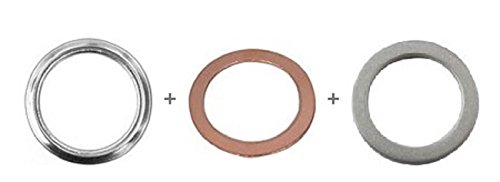
GENUINE TOYOTA GASKET KIT

[High-quality Materials] The lower gear oil pump is made of high-quality materials, which is durable and ensures fast and precise refilling of lubricating oil for the lower device of the marine engine, and is easy to use.

Compatible With Toyota Lexus Scion Transfer Case And Differential Service Transfer & Differential Service Gasket Kit
Warning Lights
Pay attention to your dashboard warning lights. If the transfer case is experiencing issues, a warning light may activate. This alert typically indicates that the fluid level is low or the fluid requires a change. Don’t ignore these signals; check the fluid soon after seeing a warning light to prevent further damage.
Fluid Color and Consistency
Inspect the color and consistency of your transfer case fluid regularly. Healthy transfer case fluid should appear clear or slightly amber. If the fluid turns dark brown or black, it likely contains contaminants and requires a change. Also, if the fluid feels gritty or has a burnt smell, these are clear signs that the fluid’s condition has deteriorated. Proper fluid checks help ensure optimal operation of your drivetrain.
Conclusion
Keeping an eye on your transfer case fluid is key to a healthy drivetrain. By sticking to the recommended change intervals and being aware of your vehicle’s specific needs you can avoid costly repairs down the road. Don’t forget to check for signs like color changes or unusual smells which can indicate it’s time for a change. Regular inspections can go a long way in ensuring your four-wheel-drive system runs smoothly. Take care of your vehicle and it’ll take care of you.
Frequently Asked Questions
Why is changing transfer case fluid important?
Changing transfer case fluid is vital for lubrication and contaminant removal in a vehicle’s four-wheel-drive system. Regular fluid changes help maintain a smooth drivetrain and prevent costly repairs due to wear or transfer case failure.
How often should I change my transfer case fluid?
Fluid change intervals depend on the vehicle’s make and model as well as driving conditions. Always follow the manufacturer’s guidelines, but high-mileage vehicles and those used in tough conditions may require more frequent changes.
What are signs that I need a transfer case fluid change?
Look for dashboard warning lights indicating low fluid levels or the need for maintenance. Additionally, dark or burnt-smelling fluid can signal it’s time for a change, signaling potential issues with the drivetrain.
How can I check the condition of my transfer case fluid?
Monitor the color, consistency, and smell of the fluid. Healthy fluid is usually clear or light in color. If it appears dark or has a burnt odor, it’s an indication that a change is necessary.
What factors influence how often I should change transfer case fluid?
Factors include the vehicle’s make and model, driving conditions, and your mileage or usage patterns. Vehicles driven in severe conditions or with higher mileage typically need more frequent fluid changes to maintain optimal performance.
