

Do you know when it’s time to change the transfer case fluid in your F150? Many truck owners overlook this important maintenance step, which can lead to costly repairs down the road. If you’ve ever experienced shifting issues or unusual noises, it might be a sign that your transfer case fluid needs attention.
Key Takeaways
- Regularly changing the transfer case fluid in your F150 is crucial for optimal performance, typically every 30,000 to 50,000 miles, depending on driving conditions.
- Neglecting transfer case fluid maintenance can lead to significant issues, including poor shifting and costly repairs due to increased friction and heat.
- Monitoring for signs of fluid contamination, such as dark color or a burnt smell, is vital to prevent damage to internal components.
- Enhanced fuel efficiency and smooth operation are benefits of maintaining fresh transfer case fluid, contributing to overall vehicle longevity.
- Consider personal driving habits; severe conditions may require more frequent fluid changes, such as every 15,000 to 20,000 miles.
- Following manufacturer recommendations not only ensures optimal performance but may also help uphold vehicle warranty coverage.
Importance Of Transfer Case Fluid Maintenance
Maintaining transfer case fluid in your F150 is crucial for optimal vehicle performance. Fresh fluid ensures smooth shifting between two-wheel and four-wheel drive. Neglecting this maintenance can lead to significant issues.
Changing the transfer case fluid prevents contamination. Over time, dirt and debris can accumulate, leading to and causing wear on internal components. Old fluid loses its effectiveness, which increases friction and heat. This wear can result in costly repairs if not addressed promptly.
Regular fluid changes can enhance fuel efficiency. When the transfer case operates correctly, your truck consumes less fuel. Poor function can derail performance, leading to higher fuel consumption.
Monitoring fluid levels is important, too. Low fluid levels can lead to poor lubrication, increasing the risk of damage. Checking fluid regularly can help you spot potential issues before they escalate.
For peace of mind, you can refer to your owner’s manual for specific recommendations regarding fluid change intervals. Often, a change every 30,000 to 50,000 miles is advisable, depending on your driving habits and conditions. Always use the recommended fluid type to ensure proper function and avoid complications.
Recommended Change Intervals
Changing the transfer case fluid in your F150 at the right intervals is essential for maintaining optimal performance. Regular maintenance prevents many costly issues down the road.
Recommended Products

Specifically approved for use in GM automatic four-wheel drive vehicles with transfer cases

Genuine OEM Factory Part in Original Retail Packaging

Meets the challenging demands of different all-wheel and four-wheel drive vehicles with multi-powered axles
Manufacturer Guidelines
Refer to your owner’s manual for specific manufacturer recommendations. Many manufacturers suggest changing the transfer case fluid every 30,000 to 50,000 miles. Following these guidelines ensures you’re using the correct fluid type for your model, which is key for efficient operation.
Personal Driving Conditions
Consider your driving habits when determining change intervals. If you often drive in severe conditions—such as towing heavy loads, off-roading, or frequent stop-and-go traffic—shorten the fluid change interval. These factors can cause the fluid to break down more rapidly, necessitating changes every 15,000 to 20,000 miles. Making adjustments based on personal usage helps maintain your vehicle’s performance and reliability.
Signs That Fluid Needs Changing
Monitoring your transfer case fluid is essential for maintaining your F150. Keep an eye out for signs indicating it’s time for a fluid change.
Recommended Products
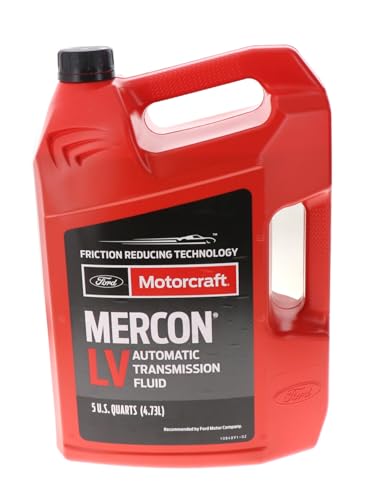
Motorcraft Transmission Fluid - XT105Q3LV

The information below is per-pack only

Unusual Noises
Listen for unusual noises when driving. Grinding, whining, or clunking sounds can signal transfer case issues. These noises suggest that the fluid may be low or contaminated, leading to insufficient lubrication. Addressing this promptly can prevent further damage to internal components.
Fluid Contamination
Check the appearance of the transfer case fluid. Fresh fluid typically has a bright red or clear look. If the fluid appears dark, muddy, or has a burnt smell, it’s likely contaminated. Contaminated fluid doesn’t lubricate effectively, increasing wear on components. If you notice this, plan for a fluid change as soon as possible to protect your transfer case.
Benefits Of Regular Fluid Change
Changing the transfer case fluid regularly offers several significant benefits.
Recommended Products

This National Transfer Case Output Shaft Seal is compatible with Ford F-150 1980-1996 (Rear).

This National Transfer Case Output Shaft Seal is compatible with Ford F-150 1996-2014 (Front).

1. Enhanced Performance
Regular fluid changes maintain the transfer case’s performance. Fresh fluid ensures proper lubrication for the internal components, leading to smooth shifting and optimal operation under diverse driving conditions.
2. Reduced Wear and Tear
Clean fluid minimizes wear on gears and bearings. Contaminated fluid leads to friction and damage to these components. By changing the fluid, you protect the transfer case from premature failure and costly repairs.
3. Improved Fuel Efficiency
Efficient fluid helps the transfer case operate more smoothly, which can enhance your vehicle’s overall fuel economy. When components work together without strain, you get better mileage.
4. Prevention of Contamination Issues
Regular changes remove dirt and contaminants that can accumulate over time. By addressing this buildup, you prevent issues like overheating and operational hiccups, extending the life of your vehicle.
5. Early Detection of Problems
Routine fluid changes provide an opportunity to inspect for signs of damage or wear. You can spot leaks, strange particles, or changes in fluid color and consistency before they escalate into serious issues.
6. Compliance with Manufacturer Recommendations
Most manufacturers suggest specific maintenance intervals, usually between 30,000 to 50,000 miles. Following these guidelines ensures that your vehicle remains in good standing and may uphold warranty coverage.
By adhering to a regular transfer case fluid change schedule, you ensure your F150 stays reliable and efficient on the road.
Conclusion
Changing your transfer case fluid regularly is key to keeping your F150 running smoothly. By staying on top of this maintenance task you can avoid costly repairs and ensure your truck performs at its best. Pay attention to any unusual noises or signs of fluid contamination as these can indicate it’s time for a change. Following the manufacturer’s recommendations not only helps in maintaining efficiency but also prolongs the life of your vehicle. So go ahead and make that fluid change a priority for your F150. Your truck will thank you for it!
Frequently Asked Questions
Why is it important to change transfer case fluid in an F150 truck?
Changing the transfer case fluid in an F150 is crucial for maintaining optimal performance and preventing issues like shifting problems. Regular fluid changes help avoid contamination and internal component wear while enhancing fuel efficiency.
How often should I change the transfer case fluid in my F150?
It’s generally recommended to change the transfer case fluid every 30,000 to 50,000 miles, but you should refer to your owner’s manual for the specific schedule based on your driving habits and conditions.
What are the signs that indicate a transfer case fluid change is needed?
Signs include unusual noises like grinding, whining, or clunking, which may indicate low or contaminated fluid. Dark or muddy fluid with a burnt smell can also signal that a change is necessary.
What happens if I don’t change the transfer case fluid regularly?
Failing to change the transfer case fluid can lead to contamination, inadequate lubrication, and increased wear on internal components. This may result in costly repairs and reduced vehicle performance.
How can I check the condition of my transfer case fluid?
You can check the fluid by removing the fill plug. Look for dark, muddy fluid and check for a burnt smell. If the fluid appears contaminated, it’s time for a change to prevent increased wear.
