

Do you know how often you should change the brake fluid in your Toyota Corolla? Picture this: you’re cruising down the road, and suddenly, you need to hit the brakes. But are they as responsive as they should be? Regular maintenance of your brake fluid is crucial for ensuring your safety on the road.
In this article, we’ll walk you through the importance of changing your Toyota Corolla’s brake fluid at the right intervals. By understanding when and why this maintenance task is necessary, you can keep your vehicle running smoothly and maintain optimal braking performance. Stay tuned to discover how simple maintenance can make a significant difference in your driving experience.
Key Takeaways
- Regularly changing brake fluid in your Toyota Corolla is crucial for optimal braking performance and overall safety on the road.
- Signs of brake fluid degradation include a spongy brake pedal, unusual noises during braking, decreased responsiveness, dark color, or visible contaminants in the reservoir.
- Assess your driving conditions to determine how often you should change the brake fluid; factors like city driving, towing heavy loads, and extreme weather can impact the frequency.
- Toyota recommends changing the brake fluid every two years under normal conditions but adjust based on real-world usage such as challenging driving scenarios.
- Check your Toyota Corolla’s brake fluid levels regularly by locating the reservoir, inspecting the level between “min” and “max” marks, and topping up if necessary with recommended brake fluid.
- Benefits of regular brake fluid replacement include enhanced safety through optimal braking performance and long-term preservation of critical braking system components.
Importance of Brake Fluid in Toyota Corolla
Brake fluid plays a critical role in ensuring the proper function of your Toyota Corolla’s braking system. Maintaining the brake fluid at the recommended levels and changing it regularly is essential for optimal braking performance and overall safety on the road.
Why Brake Fluid Is Crucial for Your Vehicle
Brake fluid is a hydraulic fluid that transmits force from the brake pedal to the braking components, allowing you to slow down or stop your vehicle effectively. In your Toyota Corolla, this vital fluid ensures that when you press the brake pedal, the necessary pressure is applied to engage the brakes’ mechanism promptly. Without adequate brake fluid, your vehicle’s braking system may fail to operate correctly, compromising your safety and that of others on the road.
Signs of Brake Fluid Degradation
It’s crucial to be aware of signs indicating that your Toyota Corolla’s brake fluid may be deteriorating. Common indicators include a spongy or soft feeling when pressing the brake pedal, unusual noises during braking, or a decrease in braking responsiveness. Additionally, if you notice a darker color or visible contaminants in the brake fluid reservoir, it’s a sign that the fluid needs to be changed promptly. Regularly checking these warning signs can help you address any issues with your brake fluid before they escalate and ensure consistent braking performance.
Recommended Brake Fluid Change Interval for Toyota Corolla
Ensuring your Toyota Corolla’s brake fluid is regularly changed is vital for maintaining optimal braking performance and road safety. Here’s what you need to know about the recommended intervals for changing your brake fluid:
Recommended Products

The exact Original Equipment Manufacturer fluid that your vehicle came with; developed for brake and hydraulic clutch systems to reduce vapor lock by providing a higher boiling point

Mixes well with conventional fluids
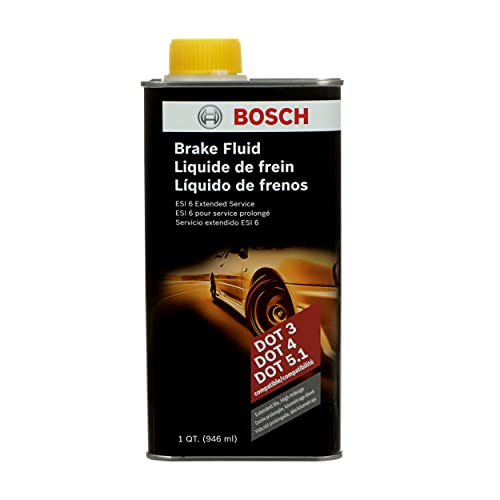
[NEXT GENERATION FLUID] - Bosch ESI6 is a next generation brake fluid designed for today's modern braking systems and is the first fluid to simultaneously combine both low viscosity and high wet boiling point (365 Degrees Fahrenheit)
Assessing Your Driving Conditions
Depending on how and where you drive your Toyota Corolla, the frequency of brake fluid changes may vary. Factors such as stop-and-go city driving, towing heavy loads, or driving in extreme weather conditions can accelerate brake fluid deterioration. It’s essential to assess your driving habits to determine if you fall into any of these categories that may require more frequent brake fluid changes.
Manufacturer’s Recommendations vs. Real-World Usage
While manufacturers typically provide general guidelines on when to change brake fluid, real-world usage can influence this timeframe. Toyota recommends changing the brake fluid in your Corolla every two years under normal driving conditions. However, if you frequently encounter challenging driving scenarios like steep descents or heavy traffic, it might be beneficial to change the brake fluid more often to ensure consistent braking performance.
By understanding how your driving conditions impact your Toyota Corolla’s brake system and considering both manufacturer recommendations and real-world usage, you can maintain a safe and reliable braking experience on the road.
How to Check Brake Fluid Levels in Toyota Corolla
To ensure your Toyota Corolla’s brake system functions optimally, it’s crucial to regularly monitor the brake fluid levels. Here’s a simple guide on how to check the brake fluid levels in your Toyota Corolla.
Recommended Products
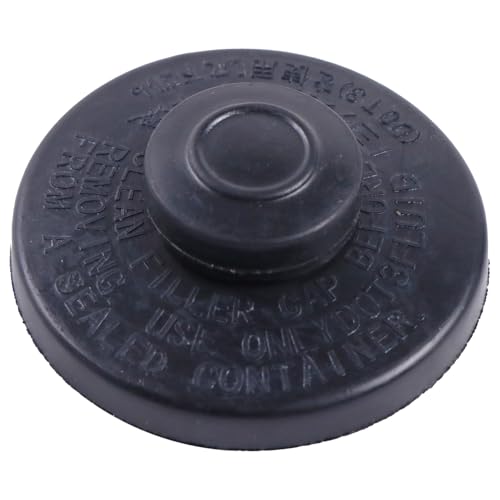
Part Number:47230-12040 47230-06010 4723012040

【Compatible with Toyota】 Brake Fluid Cap compatible with Toyota 4Runner (1996-2001), Avalon (1995-2012), Camry (1992-2011), Celica (1994-1999), Corolla (1993-2013), Highlander (2003-2007), MR2 (1994-1995), RAV EV (1998-2003), Sienna (1998-2004), Solara (1999-2008), T100 (1994-1998), Tacoma (1995-2001); compatible with Scion tC (2005-2010) Brake Master Cylinder Reservoir Cap
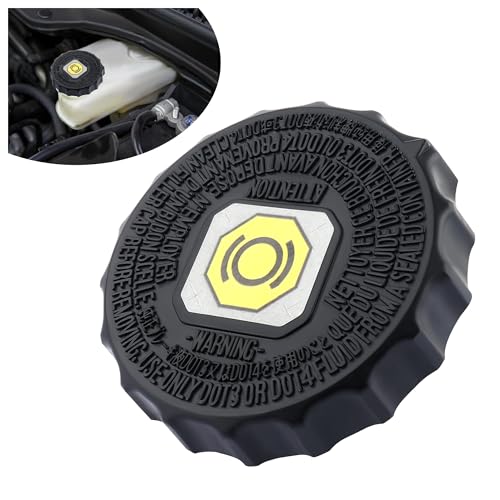
🌀 Compatible Models: Compatible with Toyota 2019-2023 RAV4, 2021-2023 Mirai, 2016-2023 Prius, 2021-2023 Sienna, 2019-2022 Avalon, 2018-2023 Camry, 2021-2023 Venza, 2019-2023 Corolla, 2022-2023 Tundra, 2005-2015 Tacoma, 2006-2023 4Runner, 2007-2014 FJ Cruiser, 2017-2023 Highlander, 2008-2021 Land Cruiser.
Tools and Materials Needed
To check the brake fluid levels in your Toyota Corolla, you’ll need:
- Clean cloth or paper towel
- Flashlight (optional but helpful)
- Brake fluid (to top up if necessary)
- Prepare Safely: Park your car on a level surface and turn off the engine. Ensure the vehicle is cool before proceeding.
- Locate the Brake Fluid Reservoir: The brake fluid reservoir is typically located near the back of the engine compartment on the driver’s side. It is a translucent plastic container with “max” and “min” markings.
- Inspect the Level: Use a clean cloth or paper towel to wipe any dirt or debris from the reservoir cap. Then, visually inspect the brake fluid level against the markings on the side of the reservoir.
- Check for Proper Level: The brake fluid level should be between the “min” and “max” marks on the reservoir. If it’s below the “min” mark, you may need to add more brake fluid to prevent potential braking issues.
- Top Up if Necessary: If you need to add brake fluid, unscrew the reservoir cap carefully and pour in a small amount of recommended brake fluid until it reaches close to the “max” line.
- Securely Close Reservoir Cap: After topping up, securely fasten back the reservoir cap to prevent any contamination or leaks.
- Verify Sealed Cap: Ensure that no dirt or foreign particles enter into the reservoir while checking or refilling, as this can compromise your braking system’s efficiency.
Regularly checking your Toyota Corolla’s brake fluid levels is an essential part of routine maintenance that helps ensure safe driving conditions for you and others on roadways.
Benefits of Regular Brake Fluid Replacement
Ensuring your Toyota Corolla has its brake fluid changed at the recommended intervals offers various advantages that contribute to both safety and performance. Here’s why regular brake fluid replacement is crucial:
Enhanced Safety and Performance
By adhering to the suggested brake fluid change schedule for your Toyota Corolla, you’re actively maintaining optimal braking performance. Fresh brake fluid helps in efficiently transmitting force from the brake pedal to the brakes, ensuring quick and reliable stopping power when needed most. This directly enhances your vehicle’s safety by reducing the risk of accidents due to delayed braking response times.
Long-Term Vehicle Health
Regularly replacing the brake fluid in your Toyota Corolla is not just about immediate safety but also plays a significant role in preserving the long-term health of your vehicle’s braking system. Over time, old brake fluid can accumulate moisture and contaminants, leading to corrosion within the braking components. By changing the brake fluid at recommended intervals, you prevent such issues, extending the lifespan of crucial parts like calipers, cylinders, and hoses. This proactive approach can save you from costly repairs down the road while ensuring your Toyota Corolla remains reliable for years to come.
Conclusion
Ensuring your Toyota Corolla has its brake fluid changed at the recommended intervals is crucial for maintaining optimal braking performance and safety. By understanding how driving conditions can impact the frequency of changes, you’ll be better equipped to make informed decisions about your vehicle’s maintenance. Regular brake fluid replacements not only enhance safety and performance but also contribute to the longevity of essential braking components. This proactive approach not only keeps you safe on the road but also saves you from potential costly repairs down the line. Remember, staying on top of your brake fluid levels is key to ensuring a smooth and secure driving experience in your Toyota Corolla.
Frequently Asked Questions
How often should I change the brake fluid in my Toyota Corolla?
Toyota recommends changing your Toyota Corolla’s brake fluid every two years under normal driving conditions.
Why is it essential to replace brake fluid regularly?
Regularly changing brake fluid ensures quick and reliable stopping power, reduces the risk of accidents, prevents corrosion, and extends the lifespan of crucial braking components.
How do driving habits affect the frequency of brake fluid changes?
Factors like driving conditions and real-world usage can impact how often you need to change your Toyota Corolla’s brake fluid.
