

Have you ever wondered how often you should change your transfer case fluid? If you’re like many vehicle owners, this might not be at the top of your maintenance checklist. Yet, neglecting this important task can lead to costly repairs down the road.
Key Takeaways
- Regular Fluid Changes: Change your transfer case fluid every 30,000 to 60,000 miles, or more frequently under harsh driving conditions (15,000 to 30,000 miles).
- Signs of Neglect: Listen for unusual noises and watch for difficult gear shifting, which indicate dirty or low fluid levels.
- Importance of Maintenance: Regular fluid changes prevent wear and tear, help regulate temperature, enhance vehicle performance, and ensure safety on the road.
- DIY Fluid Change: Changing transfer case fluid is straightforward; require basic tools and follow a simple step-by-step process to maintain your vehicle’s efficiency.
- Consult Manufacturer Guidance: Always refer to your owner’s manual for specific recommendations on fluid type and change intervals for your vehicle.
Importance Of Transfer Case Fluid
Transfer case fluid plays a critical role in the overall functionality of your vehicle’s drivetrain. It lubricates the gears within the transfer case, ensuring smooth operation and efficient transfer of power between the front and rear axles. Here are some key points regarding its importance:
Prevents Wear and Tear
Transfer case fluid reduces friction among various components. Regularly changing this fluid prevents excessive wear on gears and bearings, extending their lifespan.
Aids in Temperature Regulation
Over time, transfer case fluid absorbs heat generated during operation. Fresh fluid maintains optimal operating temperatures, reducing the risk of overheating and potential component failure.
Enhances Performance
Proper fluid levels and quality ensure that your vehicle shifts smoothly and reacts effectively in different driving conditions. Old or contaminated fluid can lead to sluggish performance and difficulty in engaging the transfer case.
Avoids Costly Repairs
Neglecting transfer case fluid changes can lead to serious damage. If gears become worn or bearings fail, the repair costs can be substantial. Regular maintenance helps avoid these unnecessary expenses.
Ensures Safety
A functioning transfer case is essential for proper vehicle handling. Skipping fluid changes increases the likelihood of unexpected slip or loss of traction, compromising your safety on the road.
By understanding the importance of transfer case fluid, you can prioritize regular maintenance and ensure your vehicle operates efficiently.
Signs You Need To Change Transfer Case Fluid
Understanding when to change your transfer case fluid can save you from bigger issues down the road. Here are some clear indicators it’s time to make that change.
Recommended Products

Specifically approved for use in GM automatic four-wheel drive vehicles with transfer cases

Long lasting endurance

【Multiple Applications】This transmission fluid pump fits standard quart bottles come with 28mm bottle cap,with an 8cc per pump stroke capacity,Suitable for dozens of uses including oil changes,siphoning gasoline,and transferring a wide range of fluids such as engine oil, biodiesel, kerosene, or shampoo,detergent.
Unusual Noises
Listen closely for unusual sounds while driving. Grinding, clunking, or whining noises often signal low or dirty transfer case fluid. If you notice these sounds, it’s vital to inspect the fluid immediately to prevent damage.
Difficulties In Shifting
Pay attention to shifting behavior. If shifting between gears feels sticky, reluctant, or difficult, this may suggest contamination in your transfer case fluid. Smooth shifting is critical for overall vehicle performance, so address any shifting issues promptly.
Recommended Change Interval
Changing your transfer case fluid at the right intervals keeps your vehicle running smoothly. Regular maintenance prevents wear and tear, enhancing performance and safety.
Recommended Products

2-PACK – 2 LITERS TOTAL Includes two 1-liter bottles of GM Transfer Case Auto Fluid, Part Number 19540587, providing 2 liters of fluid total.

Meets the challenging demands of different all-wheel and four-wheel drive vehicles with multi-powered axles

Manufacturer Guidelines
Check your vehicle’s owner’s manual for the specific fluid change interval. Most manufacturers recommend changing transfer case fluid every 30,000 to 60,000 miles, but this can vary. Some vehicles might require changes as often as every 15,000 miles. Following these guidelines ensures optimal lubrication and functionality.
Driving Conditions Impact
Your driving conditions significantly affect fluid change intervals. If you often drive in harsh conditions like heavy towing, off-roading, or stop-and-go traffic, consider changing the fluid every 15,000 to 30,000 miles. These conditions increase stress on the transfer case, leading to quicker fluid degradation. Regular checks can help identify when a change is necessary, providing longevity and reliability for your vehicle.
How To Change Transfer Case Fluid
Changing transfer case fluid is a straightforward task that can enhance your vehicle’s performance. Follow these steps to ensure a successful fluid change.
Recommended Products

Efficient Pumping: This fluid transfer pump comes with two different height suction tubes for quart bottles of different heights, making it easy to reach the bottom of the bottle. Easily control the amount of fluid pumped out without worrying about overfilling, making oil change operations easier on boats and vehicles.
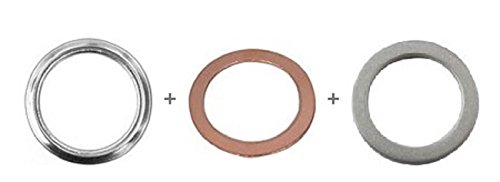
GENUINE TOYOTA GASKET KIT

[High-quality Materials] The lower gear oil pump is made of high-quality materials, which is durable and ensures fast and precise refilling of lubricating oil for the lower device of the marine engine, and is easy to use.
Tools And Materials Needed
- Transfer Case Fluid: Check your owner’s manual for the correct type.
- Wrench Set: Use the appropriate size for your drain and fill plugs.
- Fluid Pump: Helps to easily add new fluid.
- Drain Pan: Collects the old fluid during the process.
- Rags or Towels: Keep them handy for spills or cleaning.
- Safety Gloves: Protect your hands from grime and fluid.
- Park on Level Ground: Ensure your vehicle is on a flat surface for fluid consistency.
- Locate the Transfer Case: Identify the transfer case under your vehicle, typically found near the transmission.
- Drain the Old Fluid: Remove the drain plug using a wrench. Let the old fluid completely drain into the pan.
- Inspect the Fluid: Check the old fluid for metal shavings or discoloration, indicating possible issues.
- Replace the Drain Plug: Once the fluid is drained, reinstall the drain plug securely.
- Fill with New Fluid: Use the fluid pump to fill the transfer case through the fill plug. Add fluid until it just begins to overflow.
- Reinstall the Fill Plug: Securely tighten the fill plug to prevent leaks.
- Run the Vehicle: Allow your vehicle to run for a few minutes. This circulates the new fluid.
- Check for Leaks: After running, check underneath the vehicle for any fluid leaks.
Regularly changing your transfer case fluid keeps your vehicle running smoothly and prevents future repairs.
Conclusion
Taking care of your transfer case fluid is key to keeping your vehicle running smoothly. By staying on top of fluid changes you can enhance performance and extend the life of your drivetrain. Pay attention to the signs that indicate a change is needed and follow the recommended intervals based on your driving habits.
Regular maintenance not only saves you from costly repairs down the road but also gives you peace of mind on the road. So grab those tools and get started on keeping your vehicle in top shape. Your ride will thank you for it!
Frequently Asked Questions
Why is changing transfer case fluid important?
Changing transfer case fluid is essential for maintaining optimal vehicle performance. It lubricates and protects gears and bearings, ensuring smooth power transfer between axles and reducing wear over time. Regular changes prevent costly repairs and extend the life of your vehicle’s transfer case.
How often should I change my transfer case fluid?
Change transfer case fluid every 30,000 to 60,000 miles, depending on your driving conditions. If you frequently drive in severe conditions like towing, off-roading, or extreme temperatures, more frequent changes may be necessary. Always consult your owner’s manual for specific recommendations.
What are the signs that I need to change transfer case fluid?
Signs you need to change transfer case fluid include unusual noises coming from the transfer case, difficulty shifting gears, or leaking fluid. Additionally, if the fluid appears dark, muddy, or has a burnt smell, it indicates that a change is needed.
What tools and materials do I need for changing transfer case fluid?
You’ll need a few basic tools: a wrench set, a fluid pump, and a drain pan. For materials, ensure you have the appropriate transfer case fluid as specified in your owner’s manual, along with a new gasket if needed.
Can I change transfer case fluid myself?
Yes, you can change transfer case fluid yourself if you have basic mechanical skills and the right tools. Follow a step-by-step guide, and ensure you’re familiar with your vehicle’s specific requirements. Always prioritize safety and proper disposal of old fluid.
