

How often do you think about your vehicle’s transfer case fluid? If you’re like most drivers, it’s probably not on your radar. But neglecting this vital maintenance task can lead to costly repairs down the road.
Imagine cruising down the highway, only to find your vehicle struggling to shift gears smoothly. That’s where regular fluid changes come in. Knowing when to change your transfer case fluid can keep your vehicle running efficiently and extend its lifespan.
In this article, you’ll learn the signs that indicate it’s time for a fluid change and how often you should be checking it. Keeping your transfer case in top shape will save you time and money in the long run.
Key Takeaways
- Regularly changing transfer case fluid is essential for optimal vehicle performance and longevity, typically every 30,000 to 50,000 miles.
- Transfer case fluid serves critical functions, including lubrication, cooling, and protection against rust and corrosion.
- Signs that indicate a fluid change is needed include unusual noises, gear shifting problems, and discoloration of the fluid.
- Driving conditions, fluid type, climate, and vehicle usage can impact the frequency of fluid changes, necessitating adjustments beyond standard intervals.
- Always refer to your vehicle’s owner’s manual for specific manufacturer recommendations regarding transfer case fluid maintenance.
- Performing regular checks and fluid changes can help prevent costly repairs and keep your vehicle running smoothly.
Understanding Transfer Case Fluid
Transfer case fluid plays a crucial role in the operation of your vehicle’s four-wheel drive (4WD) system. This fluid lubricates the gears and bearings, preventing wear and tear while enabling efficient power transfer between the transmission and the wheels.
Purpose of Transfer Case Fluid
Transfer case fluid serves multiple purposes:
- Lubrication: It reduces friction between moving components, enhancing their lifespan.
- Cooling: It dissipates heat generated during operation, preventing overheating.
- Protective Barrier: It protects against rust and corrosion, ensuring long-term reliability.
Types of Transfer Case Fluid
Different vehicles may require specific types of transfer case fluid:
- Automatic Transmission Fluid (ATF): Commonly used in older models.
- Dedicated Transfer Case Fluid: Specifically formulated for newer models, providing superior protection and performance.
- Synthetic Fluids: Offer enhanced stability and temperature resistance, leading to extended intervals between changes.
Symptoms of Low or Contaminated Fluid
You might experience issues if the transfer case fluid is low or contaminated:
- Gear Shifting Problems: Difficulty in shifting gears or unexpected disengagement.
- Unusual Noises: Grinding or clunking sounds can indicate low fluid levels or contamination.
- Warning Lights: Dashboard indicators may illuminate if the transfer case has issues.
Recommended Maintenance Schedule
Follow the manufacturer’s guidelines for changing your transfer case fluid. Generally, consider these intervals:
- Every 30,000 to 50,000 Miles: A good rule of thumb for most vehicles.
- Severe Driving Conditions: If you frequently drive in off-road situations or tow heavy loads, change it every 15,000 to 30,000 miles.
How to Change Transfer Case Fluid
Changing transfer case fluid is a straightforward process. Here’s how:
- Gather Supplies: You’ll need the correct transfer case fluid, a fluid pump, and a drain pan.
- Lift the Vehicle: Use jack stands for safety and access.
- Drain Old Fluid: Locate the drain plug, open it, and allow the fluid to empty fully into the pan.
- Replace the Filter: If applicable, remove the old filter and install a new one.
- Fill with New Fluid: Use the pump to fill the transfer case with fresh fluid until it reaches the recommended level.
- Check for Leaks: After closing the drain plug, inspect for any fluid leaks before lowering the vehicle.
Regularly checking and changing transfer case fluid keeps your vehicle running smoothly and helps to avoid expensive repairs down the line.
Importance Of Changing Transfer Case Fluid
Changing transfer case fluid regularly plays a critical role in vehicle maintenance. This task ensures proper lubrication and helps prevent costly repairs down the road.
Recommended Products

Specifically approved for use in GM automatic four-wheel drive vehicles with transfer cases

Long lasting endurance

【Multiple Applications】This transmission fluid pump fits standard quart bottles come with 28mm bottle cap,with an 8cc per pump stroke capacity,Suitable for dozens of uses including oil changes,siphoning gasoline,and transferring a wide range of fluids such as engine oil, biodiesel, kerosene, or shampoo,detergent.
Preventing Wear And Tear
Changing transfer case fluid prevents gear wear and tear. Fresh fluid effectively lubricates gears and bearings, reducing friction. Less friction means lower heat generation, extending the lifespan of transfer case components. For example, drivers who frequently tow heavy loads or drive off-road experience increased strain on their vehicles. Therefore, they benefit from more frequent fluid changes.
Maintaining Vehicle Performance
Maintaining vehicle performance hinges on adequate fluid condition. Clean, high-quality transfer case fluid enhances smooth gear shifting and overall drive quality. Contaminated or low fluid leads to issues like grinding noises or difficulty engaging gears. Regular changes keep your vehicle running smoothly, ensuring you tackle varying driving conditions with confidence.
How Often Should You Change Transfer Case Fluid?
Changing transfer case fluid at regular intervals keeps your vehicle performing optimally. Typically, this happens every 30,000 to 50,000 miles, but exact timing can vary.
Recommended Products

Efficient Pumping: This fluid transfer pump comes with two different height suction tubes for quart bottles of different heights, making it easy to reach the bottom of the bottle. Easily control the amount of fluid pumped out without worrying about overfilling, making oil change operations easier on boats and vehicles.

[High-quality Materials] The lower gear oil pump is made of high-quality materials, which is durable and ensures fast and precise refilling of lubricating oil for the lower device of the marine engine, and is easy to use.
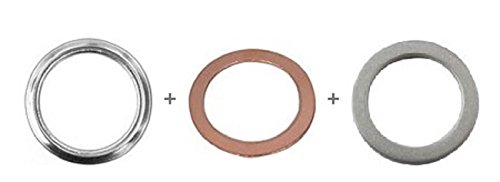
GENUINE TOYOTA GASKET KIT
Manufacturer Recommendations
Always check your vehicle’s owner’s manual for specific guidance. Most manufacturers provide a recommended schedule, which can differ significantly based on the make and model. Following these guidelines helps prevent issues and prolongs the life of your transfer case.
Factors That Influence Fluid Change Frequency
Multiple factors influence how often you should change your transfer case fluid:
- Driving Conditions: Frequent off-road driving or heavy towing can accelerate fluid deterioration.
- Fluid Type: Synthetic fluids often last longer than conventional fluids, affecting change frequency.
- Climate: Extreme temperatures can impact fluid performance, necessitating more frequent changes.
- Vehicle Usage: Commercial vehicles or those used in stop-and-go traffic may require earlier fluid changes.
Monitoring your fluid’s condition and noting any changes in your vehicle’s performance can also inform when to schedule your next fluid change.
Signs That Indicate It’s Time For A Change
Monitoring your transfer case fluid can prevent costly repairs. Be on the lookout for specific signs indicating it’s time for a change.
Recommended Products

Compatible With Toyota Lexus Scion Transfer Case And Differential Service Transfer & Differential Service Gasket Kit

Meets the challenging demands of different all-wheel and four-wheel drive vehicles with multi-powered axles
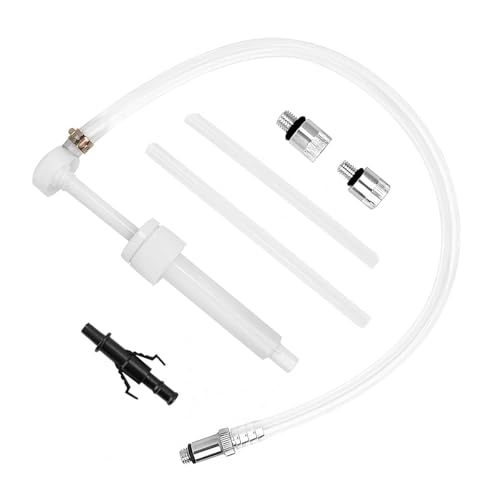
Complete 1 Set Kit: This car transmission fluid pump kit includes all necessary components for fluid transfer tasks. The full set comes with the main pump body and matching adapters, supporting direct use for various vehicle fluid changing needs.
Unusual Noises
Listen for strange sounds while driving. Grinding, clunking, or whining noises often indicate low or contaminated fluid. If you notice these sounds when shifting gears, consider checking your transfer case fluid. Consistent strange noises can lead to component damage if not addressed.
Fluid Discoloration
Examine the color of your transfer case fluid. Fresh fluid typically appears clear or light brown. If it looks dark brown or black, that signals contamination. Additionally, if there’s a milky appearance, it suggests water contamination. Any discoloration indicates a fluid change is necessary to ensure proper lubrication and prevent wear on your vehicle’s components.
Conclusion
Taking care of your transfer case fluid is crucial for keeping your vehicle running smoothly. By sticking to a regular change schedule and paying attention to any signs of trouble you can avoid costly repairs down the line. Remember to consider your driving habits and conditions when deciding how often to change the fluid. Staying proactive will help extend the life of your vehicle’s components and enhance performance. Keep an eye on that fluid and enjoy a smoother ride.
Frequently Asked Questions
What is transfer case fluid, and why is it important?
Transfer case fluid is a lubricant that ensures smooth operation of your vehicle’s transfer case, which distributes power between the front and rear wheels. Regular fluid changes help reduce friction, improve performance, and extend the lifespan of components.
How often should I change my transfer case fluid?
It is recommended to change transfer case fluid every 30,000 to 50,000 miles. However, if you frequently drive in severe conditions, you may need to change it more often.
What are the signs of low or contaminated transfer case fluid?
Signs include difficulties in gear shifting, unusual noises like grinding or whining, and discoloration of the fluid. Dark brown or milky fluid indicates contamination, necessitating a change to avoid damage.
How do driving conditions affect transfer case fluid change frequency?
Severe driving conditions, such as towing, off-roading, or extreme weather, can accelerate fluid degradation. In such cases, more frequent fluid changes are essential to maintain optimal performance.
Can I monitor transfer case fluid condition myself?
Yes, you can check the fluid level and color through the transfer case fill plug. Assessing the fluid’s color and consistency can help determine if a change is necessary.
What happens if I don’t change the transfer case fluid?
Neglecting fluid changes can lead to increased friction, overheating, and potential damage to the transfer case components, resulting in costly repairs and decreased vehicle performance.
