

Have you ever wondered how often you should change your transfer case fluid? It might not be the first thing on your mind when maintaining your vehicle, but neglecting it can lead to costly repairs down the road.
Imagine you’re planning a road trip, and your vehicle starts acting up because of old fluid. Staying informed about your transfer case fluid can save you from unexpected breakdowns and keep your ride smooth.
Key Takeaways
- Frequency of Change: Change transfer case fluid every 30,000 to 50,000 miles, but consult your vehicle’s owner manual for specific recommendations.
- Fluid Importance: Fresh transfer case fluid lubricates and cools components, ensuring efficient power transfer from the transmission to the wheels.
- Signs for Replacement: Look for discoloration, metallic particles, a burnt odor, or fluid leaks as indicators that fluid change is necessary.
- Driving Conditions: Severe driving conditions, such as off-roading or towing, may require more frequent fluid changes—consider every 25,000 miles in these scenarios.
- Regular Checks: Consistently monitor fluid levels and quality to prevent costly repairs and ensure smooth vehicle operation.
Understanding Transfer Case Fluid
Transfer case fluid lubricates and cools the components of your vehicle’s transfer case. This fluid plays a crucial role in transferring power from the transmission to the wheels, particularly in vehicles equipped with four-wheel drive or all-wheel drive systems.
Recommended Products

Specifically approved for use in GM automatic four-wheel drive vehicles with transfer cases

【Multiple Applications】This transmission fluid pump fits standard quart bottles come with 28mm bottle cap,with an 8cc per pump stroke capacity,Suitable for dozens of uses including oil changes,siphoning gasoline,and transferring a wide range of fluids such as engine oil, biodiesel, kerosene, or shampoo,detergent.

🚗Fits Standard Quart Bottles with 28mm Bottle Cap
Importance of Transfer Case Fluid
Having clean and sufficient transfer case fluid ensures smooth operation. Contaminated or low fluid levels can lead to grinding noises, difficulty in shifting gears, and even damage to the transfer case. Regular fluid changes keep the system functioning properly and prevent costly repairs.
Characteristics of Transfer Case Fluid
Transfer case fluid varies based on manufacturer specifications. Some use automatic transmission fluid (ATF), while others require specialized fluids. Always check your vehicle’s owner manual for the correct type and specifications.
Signs You Need a Change
Look for these indicators that suggest a fluid change is necessary:
- Discoloration: If the fluid appears dark or dirty.
- Metallic particles: Presence of metal shavings.
- Odor: A burning smell from the fluid.
- Fluid leaks: Puddles or dampness under your vehicle.
Recommended Change Intervals
Most manufacturers recommend changing transfer case fluid every 30,000 to 50,000 miles. However, some vehicles may require more frequent changes, particularly if used for heavy towing or off-roading. Always consult your owner’s manual for your specific vehicle’s recommendations.
Checking Fluid Levels
To prevent issues, regularly check the transfer case fluid levels. Here’s how:
- Park your vehicle on a level surface.
- Locate the transfer case fill plug.
- Wipe off the plug and reinsert it to check fluid level.
- Fluid should be near the fill hole; add fluid if necessary.
By understanding the role and maintenance of transfer case fluid, you can ensure optimal vehicle performance and longevity. Regular checks and timely changes keep your transfer case operating smoothly.
Importance Of Changing Transfer Case Fluid
Changing transfer case fluid is crucial for maintaining your vehicle’s performance and preventing issues. This fluid lubricates and cools the transfer case components, enabling the effective transfer of power from the transmission to the wheels in four-wheel and all-wheel drive systems. Regular fluid changes ensure efficient operation and extend your vehicle’s lifespan.
Recommended Products

Efficient Pumping: This fluid transfer pump comes with two different height suction tubes for quart bottles of different heights, making it easy to reach the bottom of the bottle. Easily control the amount of fluid pumped out without worrying about overfilling, making oil change operations easier on boats and vehicles.

[High-quality Materials] The lower gear oil pump is made of high-quality materials, which is durable and ensures fast and precise refilling of lubricating oil for the lower device of the marine engine, and is easy to use.
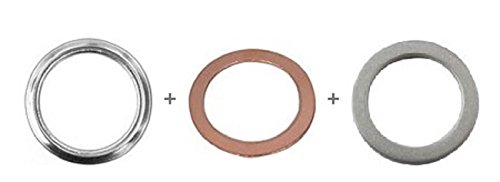
GENUINE TOYOTA GASKET KIT
Signs Of Fluid Degradation
Recognizing signs of fluid degradation helps you take timely action. Common indicators include:
- Discoloration: Fresh transfer case fluid is typically bright red. If it appears dark brown or black, it’s time for a change.
- Metallic Particles: Any metallic particles in the fluid suggest excessive wear and potential damage to internal components.
- Odor: A burnt smell indicates overheating or contamination, signaling the need for immediate replacement.
- Leaks: Puddles or spots under the vehicle may indicate a leak, which can compromise fluid levels.
Impact On Vehicle Performance
The impact of dirty or low transfer case fluid can be significant. Here are a few effects you might notice:
- Grinding Noises: Insufficient lubrication can lead to grinding or clunking sounds from the transfer case during operation.
- Gear Shifting Problems: Contaminated fluid makes it difficult to smoothly engage or disengage gears, affecting drivability.
- Overheating: Lack of proper fluid can cause the transfer case to overheat, leading to costly repairs.
- Inefficient Power Transfer: Old fluid can impair the transfer case’s ability to transmit power effectively, leading to reduced acceleration and performance.
Regular maintenance, including checking fluid levels and changing it per your owner’s manual guidelines, ensures your vehicle operates smoothly and efficiently.
Recommended Change Intervals
Change transfer case fluid according to both manufacturer guidelines and general recommendations to ensure optimal vehicle performance.
Recommended Products

REACH HARD-TO-ACCESS SERVICE POINTS: Some maintenance jobs are difficult because fill ports are hidden or located in tight spaces. FOUR UNCLES Fluid Transfer Syringe with flexible hose helps you reach challenging areas while making fluid extraction and refilling easier and cleaner.

Meets the challenging demands of different all-wheel and four-wheel drive vehicles with multi-powered axles

2-PACK – 2 LITERS TOTAL Includes two 1-liter bottles of GM Transfer Case Auto Fluid, Part Number 19540587, providing 2 liters of fluid total.
Manufacturer Guidelines
Manufacturers provide specific recommendations for transfer case fluid changes. Most suggest intervals ranging from 30,000 to 50,000 miles. Check your vehicle’s manual for precise instructions, as some models may vary. Adhering to these guidelines helps maintain warranty coverage and supports vehicle longevity.
General Recommendations
In addition to following manufacturer guidelines, consider driving conditions that might necessitate more frequent changes. If you regularly drive in harsh environments—like off-road, towing heavy loads, or in extreme temperatures—change your transfer case fluid every 25,000 miles. Regular inspections of fluid quality are key; if you notice discoloration, metallic particles, or a burnt smell, schedule a change immediately.
Factors Influencing Change Frequency
Several factors affect how often you should change transfer case fluid. Understanding these factors helps maintain your vehicle’s performance.
Driving Conditions
Driving conditions impact the frequency of fluid changes. If you frequently drive in severe conditions like off-roading, muddy terrains, or heavy rains, consider changing the fluid more often. These conditions introduce dirt and debris, which can degrade the fluid faster. Towing heavy loads or driving in stop-and-go traffic also stresses the system, necessitating earlier fluid changes. For these scenarios, changing the transfer case fluid every 25,000 miles is a good practice.
Vehicle Usage
The way you use your vehicle significantly influences fluid change intervals. Daily commuters might need fewer changes than off-road enthusiasts. If you use your vehicle for recreational activities, like frequent trips or dirt road explorations, opt for more regular fluid maintenance. For vehicles used primarily for highway driving, following the manufacturer’s recommendation of 30,000 to 50,000 miles is typically sufficient. Always check for signs of fluid deterioration, regardless of usage patterns, as they may indicate a need for an earlier change.
Conclusion
Staying on top of your transfer case fluid changes can save you from costly repairs down the road. Keep an eye on your driving habits and the conditions you face. If you often find yourself off-roading or towing, it’s worth checking that fluid more frequently.
Listening to your vehicle and watching for signs of fluid wear can also help you maintain its health. Regular maintenance not only enhances performance but also keeps your ride smooth and reliable. So make those fluid checks a part of your routine and enjoy the journey ahead!
Frequently Asked Questions
Why is it important to change transfer case fluid regularly?
Changing transfer case fluid regularly helps maintain vehicle performance and prevent potential issues. Fresh fluid ensures proper lubrication, reduces wear, and can prolong the lifespan of the transfer case.
How often should transfer case fluid be changed?
Typically, transfer case fluid should be changed every 30,000 to 50,000 miles. However, if you frequently off-road or tow heavy loads, consider changing it every 25,000 miles.
What factors influence transfer case fluid change frequency?
Driving conditions, such as off-roading, towing, and daily commuting, significantly impact fluid change frequency. More demanding conditions necessitate more frequent changes.
What signs indicate that transfer case fluid needs to be changed?
Signs of fluid deterioration include discoloration, a burnt smell, or unusual noises from the transfer case. If you notice any of these, it’s essential to check and possibly change the fluid.
Can neglecting transfer case fluid changes affect warranty coverage?
Yes, neglecting regular transfer case fluid changes can void warranty coverage. Manufacturers typically require routine maintenance to keep warranties valid, so it’s crucial to stay on schedule.
