

Have you ever wondered how often you should change your transfer case fluid? It’s a question many drivers overlook, yet it plays a crucial role in keeping your vehicle running smoothly. Neglecting this simple maintenance task can lead to costly repairs down the road.
Imagine you’re on a road trip, and suddenly your vehicle starts acting up. You might be facing issues that stem from old or contaminated transfer case fluid. This article will guide you through the signs that indicate it’s time for a change and offer tips on how to maintain your vehicle’s performance. By staying informed, you can protect your investment and enjoy worry-free driving.
Key Takeaways
- Transfer Case Fluid Importance: Regular changes of transfer case fluid are essential for smooth vehicle operation, lubrication of internal gears, and prevention of wear and tear.
- Change Interval Recommendations: Most manufacturers recommend changing transfer case fluid every 30,000 to 60,000 miles, particularly in severe driving conditions such as off-road usage or towing.
- Signs for Fluid Change: Look out for unusual noises, vibrations, fluid discoloration (dark brown or black), and gritty texture, which indicate that the fluid may need replacing.
- Impact of Driving Conditions: Factors like climate, driving habits, and vehicle type can significantly influence how often transfer case fluid should be changed.
- Fluid Change Procedure: Changing the fluid involves draining the old fluid, installing a new gasket, adding fresh fluid, and checking for leaks to maintain optimal vehicle performance.
- Maintain Awareness: Regular inspection and maintenance of transfer case fluid not only enhance your vehicle’s functionality but also save you from potential costly repairs.
Importance Of Transfer Case Fluid
Transfer case fluid plays a critical role in your vehicle’s performance. This fluid lubricates the gears within the transfer case, ensuring smooth shifting between different drive modes. Proper lubrication reduces friction, which helps prevent wear and tear on internal components.
Regularly changing the transfer case fluid helps maintain a proper working temperature. Excessive heat can lead to fluid breakdown, which affects its ability to protect gears effectively. For instance, fluid that maintains its properties serves as a barrier against metal wear, promoting longevity for the transfer case.
Signs that indicate a potential issue include unusual noises while driving, difficulty shifting between drive modes, or leaks under the vehicle. These symptoms often suggest that the fluid may be deteriorating or low, necessitating a change.
To ensure optimal performance, consult your vehicle’s owner’s manual for specific recommendations on fluid change intervals. Many manufacturers suggest changing transfer case fluid every 30,000 to 60,000 miles, though this can vary based on driving conditions. For example, frequent off-road driving may require more regular changes.
By prioritizing the change of transfer case fluid, you contribute to a smoother driving experience and help avoid costly repairs down the line. Regular maintenance protects vital components and enhances your vehicle’s overall reliability.
Recommended Change Intervals
Changing transfer case fluid regularly is vital for maintaining your vehicle’s performance. Here are the key considerations for determining how often to change it.
Recommended Products

Full-synthetic transfer case fluid for on-demand and full-time AWD/4x4 systems across European, Asian and US OEMs. Applications include Porsche Cayenne/Macan, BMW xDrive, Audi Quattro, Land Rover/Range Rover, Nissan, Mercedes-Benz 4MATIC (MB 239.41 Torque-on-Demand), Genesis/Kia TF-0870B (G70, G80, G90, Stinger AWD).

Specifically approved for use in GM automatic four-wheel drive vehicles with transfer cases

Long lasting endurance
Factors Influencing Change Frequency
Several factors impact how frequently you should change transfer case fluid:
- Driving Conditions: Frequent off-road driving or towing heavy loads increases fluid contamination. Change it more often in these scenarios.
- Climate: Extreme temperatures can degrade fluid faster. Hot weather can break down the fluid, while cold temperatures can thicken it, affecting performance.
- Vehicle Type: Different vehicles have unique specifications. Four-wheel drive and all-wheel drive systems may require more frequent changes due to added strain.
Pay attention to your driving habits and conditions to decide the best change frequency for your vehicle.
Manufacturer Guidelines
Always reference your vehicle’s owner manual for specific change intervals. Most manufacturers recommend changing transfer case fluid between 30,000 and 60,000 miles. Some may suggest swapping it sooner if you engage in severe driving conditions.
Check for any indicators in your manual regarding special conditions, which can help you stay on track. Following these guidelines ensures optimal performance and prolongs the life of your transfer case. Don’t skip these recommendations, as doing so can lead to costly repairs down the line.
Signs That Fluid Needs Changing
You’ll notice specific signs that indicate it’s time to change the transfer case fluid. Keeping an eye on these symptoms can help you maintain optimal vehicle performance.
Recommended Products

【Multiple Applications】This transmission fluid pump fits standard quart bottles come with 28mm bottle cap,with an 8cc per pump stroke capacity,Suitable for dozens of uses including oil changes,siphoning gasoline,and transferring a wide range of fluids such as engine oil, biodiesel, kerosene, or shampoo,detergent.

Efficient Pumping: This fluid transfer pump comes with two different height suction tubes for quart bottles of different heights, making it easy to reach the bottom of the bottle. Easily control the amount of fluid pumped out without worrying about overfilling, making oil change operations easier on boats and vehicles.

[High-quality Materials] The lower gear oil pump is made of high-quality materials, which is durable and ensures fast and precise refilling of lubricating oil for the lower device of the marine engine, and is easy to use.
Unusual Noises or Vibrations
You may hear strange noises or feel vibrations coming from your transfer case. Sounds like grinding, clunking, or whining often signify low or deteriorating fluid. These noises typically indicate that the fluid isn’t providing adequate lubrication, leading to wear on internal components. If you notice these disturbances, check the fluid right away.
Fluid Color and Texture
You can easily monitor the transfer case fluid’s color and texture. Fresh fluid usually appears clear or slightly amber. If the fluid looks dark brown or black, it may contain contaminants and should be replaced. Additionally, check for a milky appearance, which could signify moisture contamination. Fluid that feels gritty or sludgy also indicates it’s time for a change. Regular inspection helps catch issues early and protects your transfer case.
How To Change Transfer Case Fluid
Changing the transfer case fluid is essential for your vehicle’s health. Follow these steps for a successful fluid change.
Recommended Products
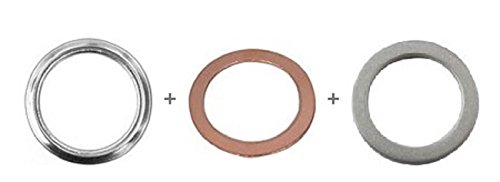
GENUINE TOYOTA GASKET KIT

Compatible With Toyota Lexus Scion Transfer Case And Differential Service Transfer & Differential Service Gasket Kit

Meets the challenging demands of different all-wheel and four-wheel drive vehicles with multi-powered axles
Necessary Tools and Materials
- Fluid Pump: Helps transfer new fluid into the transfer case.
- Socket Wrench Set: Used to remove and secure bolts.
- Fluid Container: Collects old fluid for disposal.
- New Transfer Case Fluid: Ensure it’s the correct type for your vehicle.
- Gasket Maker or Replacement Gasket: Prevents leaks during reassembly.
- Gloves and Rags: Keeps hands clean and collects spills.
- Raise the Vehicle: Use a jack to elevate your vehicle and secure it with jack stands. This provides ample room to work under the vehicle.
- Locate the Transfer Case: Identify the transfer case, usually situated between the transmission and rear differential.
- Remove the Drain Plug: Use a socket wrench to carefully remove the drain plug. Allow the old fluid to drain completely into the fluid container.
- Install the New Gasket: If your transfer case requires it, apply a new gasket or gasket maker to prevent leaks when reinstalling the drain plug.
- Replace the Drain Plug: Securely tighten the drain plug back in place.
- Add New Fluid: Use the fluid pump to add new transfer case fluid through the fill plug. Fill until the fluid reaches the recommended level, typically just below the fill plug.
- Replace the Fill Plug: Securely tighten the fill plug to prevent leaks.
- Check for Leaks: Start the vehicle and let it run for a few minutes. Inspect for any leaks around the drain and fill plugs.
- Dispose of Old Fluid: Make sure to dispose of the old fluid properly at a recycling center or auto parts store.
By following these steps, you can ensure your transfer case operates smoothly, prolonging your vehicle’s lifespan.
Conclusion
Taking care of your transfer case fluid is essential for keeping your vehicle running smoothly. By staying on top of regular changes you can prevent wear and tear that leads to bigger issues down the road. Remember to watch for signs that indicate a fluid change is needed and don’t hesitate to tackle the job yourself if you feel up to it.
Using the right tools and following the proper steps will ensure you get it done correctly. Keeping your transfer case in good shape means a longer life for your vehicle and a more enjoyable driving experience. So make that fluid change a part of your maintenance routine and enjoy the peace of mind that comes with it.
Frequently Asked Questions
What is transfer case fluid, and why is it important?
Transfer case fluid lubricates the gears in your vehicle’s transfer case, promoting smooth shifting and reducing friction. Regular changes are essential to maintain performance and prevent costly repairs.
How often should I change my transfer case fluid?
It’s generally recommended to change transfer case fluid every 30,000 to 60,000 miles. However, specific needs may vary based on driving conditions and vehicle type.
What are the signs that I need to change my transfer case fluid?
Signs include unusual noises, difficulty shifting, or visible leaks. If you notice any of these issues, it’s time to check and possibly change the fluid.
What tools do I need to change transfer case fluid?
You’ll need a fluid pump, a socket wrench set, a new gasket, and fresh transfer case fluid. Having the right tools ensures the job is done correctly.
How do I change my transfer case fluid?
To change the fluid, raise the vehicle, locate the transfer case, drain the old fluid, install a new gasket, add fresh fluid, and check for leaks. Always ensure you’re using the correct type of fluid.
