

Have you ever found yourself in the middle of a road trip, only to realize your windshield washer fluid is running low? It’s a common scenario that can leave you feeling a bit stranded, especially when those pesky bugs and dirt start to obscure your view. Knowing how much washer fluid your car can hold is essential for keeping your windshield clear and your driving safe.
Key Takeaways
- Know Your Capacity: Vehicle washer fluid capacity varies by make and model—compact cars typically hold 2 to 3 liters while larger trucks may hold up to 7 liters, so check your manual for specifics.
- Seasonal Fluid Choices: Use appropriate washer fluid based on the season—winter fluid prevents freezing, while summer fluid deals with bugs effectively.
- Accurate Measurement: Familiarize yourself with measurements; 1 liter is equivalent to 0.264 gallons, ensuring you buy the correct amount of fluid.
- Refilling Process: Locate the washer fluid reservoir, check the level, and refill with the chosen fluid, ensuring to follow safety precautions such as wearing gloves.
- Regular Inspections: Monitor fluid levels during seasonal transitions and inspect the reservoir for leaks or damage to maintain optimal performance.
Understanding Washer Fluid Capacity
Knowing your car’s washer fluid capacity helps maintain clear visibility and enhances safe driving. Fluid levels can drop during road trips or harsh weather, making it essential to fill your reservoir as needed.
Factors Influencing Capacity
Several factors affect the washer fluid capacity in your vehicle:
- Car Model: Different makes and models come with varying reservoir sizes. Compact cars typically hold between 2 to 3 liters, while larger vehicles, like SUVs and trucks, can hold 4 to 6 liters.
- Reservoir Design: The shape and design of the fluid reservoir impact how much fluid it can hold. Some designs prioritize space efficiency, leading to smaller capacities.
- Vehicle Age: Older vehicles might have smaller reservoirs due to changes in design and technology over the years. Always check your vehicle manual for specifics.
Average Capacity by Vehicle Type
Understanding the average washer fluid capacity based on vehicle type can guide you in your maintenance routine:
| Vehicle Type | Average Capacity (Liters) |
|---|---|
| Compact Cars | 2 to 3 |
| Sedans | 3 to 5 |
| SUVs | 4 to 6 |
| Pickup Trucks | 5 to 7 |
| Minivans | 3 to 6 |
Knowing these averages gives you a baseline for maintaining your fluid levels properly, ensuring a clear windscreen in any driving condition.
Measuring Washer Fluid
Understanding how to measure washer fluid accurately helps you maintain your vehicle’s functionality. You can easily check your car’s washer fluid capacity with the right approach.
Recommended Products

🚗This product OE/OEM part number: 13227300 is a direct replacement for the replaced part numbers: 13227300, 12767700, 12788573, 19172571. perfect replacement. Note: Models that are not within the description range. Please do not purchase

Compatible with Chevy: For Chevry Camaro 2010-2021, Equinox 2010-2020, Cruze Volt 2011-2016, Sonic 2012-2020, Malibu 2013-2021, Corvette 2014-2021, Impala 2014-2020, Silverado 1500 14-16 18-20, Colorado 2015-2021, Silverado 2500HD 15-16 18-21, Silverado 3500HD 15-16 18-21, Suburban Tahoe 15-20, Trax 2015-2021, Spark 16-21 washer fluid reservoir cap

Fitment Work well with most 12V cars with enough size to fit this washer pump. Universal car KEMIMOTO windshield washer is designed to fit most Car UTV ATVs boats and so on
Common Measurement Units
Washer fluid capacity typically uses liters or gallons. Here are the common measurement conversions:
| Unit | Equivalent |
|---|---|
| 1 liter | 0.264 gallons |
| 1 gallon | 3.785 liters |
Knowing these measurements aids in selecting the appropriate quantity of fluid to purchase.
How to Check Your Car’s Capacity
Checking your car’s washer fluid capacity involves a few straightforward steps:
- Locate the Reservoir: Find the washer fluid reservoir under the hood. It usually has a cap marked with a windshield symbol.
- Review the Owner’s Manual: Check the manual for specific information about your car’s capacity. It provides accurate measurements based on the model.
- Measure Fluid Level: If you’re unsure about the reservoir’s capacity, fill it with fluid until it reaches the full mark. Most reservoirs are transparent, allowing you to see the fluid level easily.
With this information, you can ensure your washer fluid is topped off and ready for use when needed.
Choosing the Right Washer Fluid
Choosing the right washer fluid ensures optimal performance and visibility while driving. Knowing the different types of washer fluids and seasonal considerations helps you make an informed decision.
Recommended Products

SUPER CONCENTRATED WASHER FLUID: 16 fl oz washer fluid bottle makes 165 gallons of summer blend washer fluid. Just pump three times per gallon of water, directly into your windshield washer fluid tank.
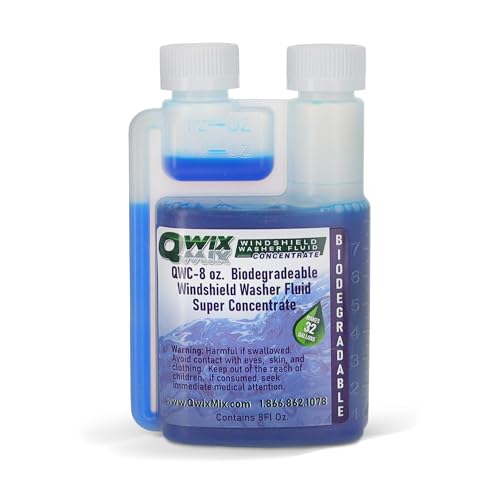
[Super Concentrated Savings] Qwix Mix windshield washer fluid concentrate makes up to 55 gallons of premium windshield washer fluid from one 8 oz bottle, saving money versus pre-mixed windshield washer fluids

Windshield washer: 1 piece of concentrated cleaning tablet is equivalent to 1.05 gallon of glass cleaning fluid, with strong cleaning power, can easily clean the dust and stains on your windshield, make the windshield clean, and ensure the driving safety of the car
Different Types of Washer Fluids
- All-Season Washer Fluid: Offers reliable cleaning power year-round. It effectively removes dirt, bugs, and road grime without freezing in colder temperatures.
- Summer Washer Fluid: Contains fewer freeze-resistant agents, making it suitable for warmer climates. Formulated to tackle insects and grime that accumulate during hot months, it might freeze in low temperatures.
- Winter Washer Fluid: Designed for cold weather. It includes antifreeze components to prevent freezing and ensure clear visibility in icy conditions. This fluid also helps melt snow and ice on the windshield.
- Specialty Washer Fluid: Features added benefits, like streak-free formulas or eco-friendly ingredients. Some even come with additional cleaning properties for a clearer view.
Seasonal Considerations
Switching washer fluids based on the season improves safety and visibility.
- Spring and Summer: Use all-season or summer fluids to combat bugs and debris. Make sure it’s well-filled before long road trips.
- Fall: Monitor fluid levels as leaves can obscure visibility. Consider switching to winter fluid as temperatures drop.
- Winter: Replace with winter washer fluid before temperatures plunge. Ensure it contains proper antifreeze to avoid freezing in your reservoir.
- Transitioning Seasons: As temperatures fluctuate, adjusting washer fluid accordingly helps maintain clarity while preventing freezing or melting issues.
By understanding the types of washer fluids and how seasonal changes affect performance, you can keep your windshield clear and driving safe.
Refilling Washer Fluid
Refilling your washer fluid helps maintain clear visibility while driving. Knowing how to do it properly enhances safety during inclement weather.
Recommended Products

CarPlan Demon Shot 500ml (17 fl oz) can be added to your current screenwash to boost the freezing performance when the temperature drops unexpectedly, alternatively, the super concentrated formula can be used to make 25L (845 fl oz) of screenwash.

Trusted Formula for Over 30 Years: Kristall Klar has been the choice for those who want a crystal clear view of the road ahead without the streaks and smears typical of standard washer fluids

One bottle of aqua charge makes 55 gallons of premium washer fluid
Steps to Refill Properly
- Locate the Reservoir: Find the washer fluid reservoir under the hood. Look for a cap with a windshield wiper symbol.
- Check the Fluid Level: Inspect the existing fluid level through the transparent side of the reservoir. If it’s low, it’s time to refill.
- Choose the Right Fluid: Select a washer fluid that matches your needs, whether for all-season, winter, or summer conditions.
- Open the Cap: Remove the reservoir cap carefully. Some vehicles may require you to twist or pull.
- Pour the Fluid: Gradually pour the washer fluid into the reservoir. Use a funnel to avoid spills.
- Close the Cap: Securely place the cap back on the reservoir to prevent contamination.
- Test the Sprayers: Activate the wipers and sprays to ensure proper flow and function.
- Wear Gloves: Protect your hands from chemicals by using gloves while handling washer fluid.
- Avoid Inhalation: Work in a well-ventilated area to minimize inhaling vapors from the fluid.
- Check for Leaks: Regularly inspect the reservoir for cracks or leaks. Replace it if damaged.
- Store Properly: Keep washer fluid in a cool, dry place, away from sunlight and children.
- Follow Guidelines: Refer to your vehicle’s manual for specific instructions on fluid types and capacities.
Following these steps and tips ensures a smooth refill process, improving your visibility on the road.
Conclusion
Knowing your car’s washer fluid capacity is key to maintaining clear visibility on the road. By understanding how much fluid your vehicle holds and choosing the right type for the season you can drive with confidence no matter the weather.
Regularly checking and refilling your washer fluid not only enhances your safety but also keeps your windshield in top condition. So take a moment to familiarize yourself with your car’s needs and make it a habit to keep that reservoir full. Safe travels and clear views ahead!
Frequently Asked Questions
What is the importance of car washer fluid capacity?
Understanding your car’s washer fluid capacity is vital for maintaining optimal visibility while driving, especially in diverse weather conditions. Adequate fluid levels ensure your windshield is clear, enhancing safety during road trips and daily commutes.
How much washer fluid do different vehicles typically hold?
Compact cars generally hold between 2 to 3 liters of washer fluid, while larger vehicles, such as SUVs, tend to have a capacity of 4 to 6 liters. Knowing your vehicle’s specific capacity helps in proper filling and maintenance.
How can I measure and refill my washer fluid?
To measure and refill washer fluid, locate the reservoir under the hood, determine the current fluid level, and add the recommended fluid type as needed. Always check the owner’s manual for specific instructions for your vehicle model.
What type of washer fluid should I use for different seasons?
In winter, use washer fluid with antifreeze properties to prevent freezing, and for summer, choose a fluid that effectively removes dirt and insects. Selecting the right type enhances performance and visibility based on seasonal conditions.
What safety tips should I consider when refilling washer fluid?
When refilling washer fluid, wear gloves, avoid inhaling any fumes, and check for leaks in the reservoir. Always store washer fluid properly and consult your vehicle’s manual for specific guidance to ensure safe handling.
