

Have you ever found yourself driving with a streaky windshield, only to realize your washer fluid’s run dry? It’s a frustrating situation that can make your drive unsafe. A washer fluid leak might seem like a minor issue, but it can lead to bigger problems if left unchecked.
Key Takeaways
- Importance of Washer Fluid: A washer fluid leak can lead to unsafe driving conditions; prompt attention is vital for maintaining visibility on the road.
- Common Causes: Washer fluid leaks are typically caused by cracked reservoirs, disconnected hoses, damaged pumps, or frozen fluid.
- Symptoms of a Leak: Look for low fluid levels, puddles under the vehicle, a streaky windshield, or unusual noises when using the washer system.
- Repair Costs: Replacement costs for parts like reservoirs, hoses, pumps, and nozzles can range from $10 to $150, while labor costs typically fall between $75 and $150 per hour.
- DIY vs. Professional Repair: Assess your skill level; minor issues can often be fixed DIY, while complex problems may require professional expertise for effective repair.
- Cost Management: Compare prices from multiple suppliers and get quotes from different mechanics to ensure you get the best deal for needed repairs.
Understanding Washer Fluid Leaks
Washer fluid leaks can lead to unsafe driving conditions. Addressing these leaks quickly keeps your windshield clear and ensures your safety on the road.
Common Causes of Washer Fluid Leaks
- Cracked Reservoir: The reservoir may crack from temperature changes or material degradation, causing fluid loss.
- Disconnected Hoses: Hoses may become disconnected due to wear and tear, leading to leaks in the system.
- Damaged Pump: A faulty pump can allow washer fluid to escape instead of spray onto the windshield.
- Frozen Fluid: In colder temperatures, washer fluid can freeze, causing the reservoir to crack and leak once thawed.
- Low Washer Fluid Levels: Frequent need to refill the washer fluid suggests a leak.
- Puddles or Stains: Fluid pooling underneath your vehicle’s front indicates a leak.
- Streaked Windshield: If streaks appear on the windshield despite enough fluid, the system may be malfunctioning.
- Unusual Noise: Hearing strange sounds when activating the washer may signal a pump issue or obstruction.
By recognizing the causes and symptoms of washer fluid leaks, you can address the problem effectively and maintain clear visibility while driving.
Assessing the Damage
Assessing the damage involves a thorough examination of your washer fluid system. It’s essential to pinpoint the problem to determine the cost of repairs accurately.
Recommended Products

Stops The Spread of Chips and Cracks - Rain-X Windshield Repair Kit Helps You Minimize The Appearance And Stop The Spread Of Chips And Cracks In Your Windshield.

HIGH QUALITY MATERIAL: The windshield washer hose kit is made of high quality rubber, soft and elastic, strong and durable.

This item can no be shipped to the state in California, Техаs, Arizona please check with the manufacturer regarding warranty and support issues.
Inspecting the Washer Fluid System
Inspect your washer fluid system components. Check the reservoir for cracks or leaks. Look for signs of fluid pooling underneath the vehicle. Examine the hoses for disconnections or wear, as these often lead to leaks. Ensure the washer pump functions properly; an unusual noise may indicate a malfunction. A quick visual sweep can help identify obvious issues.
Identifying the Source of the Leak
Identify the leak’s source by performing a few simple tests. Fill the reservoir with washer fluid and monitor for leaks. Observe the area around the reservoir and hoses. If fluid drips while the system operates, you likely have a loose connection or damaged part. Alternatively, if you find a frozen fluid block, warming the area may solve the problem. Test each component systematically to isolate the faulty part.
Cost Factors for Repairing Washer Fluid Leaks
Repairing washer fluid leaks involves multiple cost factors, including parts and labor. Understanding these elements helps in budgeting for necessary repairs.
Recommended Products

FIX IT FAST: Our multi-purpose solution works in minutes to quickly seal leaks in the radiator, head gasket, freeze plugs, block, heater matrix & water pump. Fixes most leaks in water-cooled engines

STOPS LEAKS, SLIPPING AND ROUGH SHIFTING: Reduces rough shifting and friction, while eliminating slip, controlling temperature, and repairing shudder, chatter and whining.
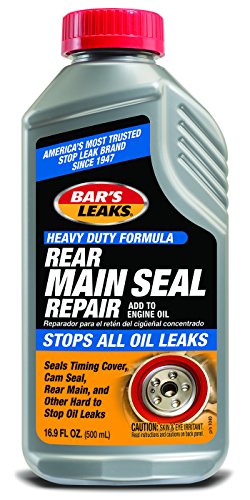
Seals timing cover, cam seal, rear main and other hard to stop oil leaks
Parts Replacement Costs
Parts replacement costs vary based on the components needing repair. Below are common parts that might require replacement and their typical price ranges:
- Washer Fluid Reservoir: $30 – $150
- Hoses: $15 – $50 each
- Pump: $20 – $100
- Nozzle: $10 – $30
Factors like brand, model, and where you purchase can influence the final cost. It’s wise to compare prices from different suppliers.
Labor Costs Involved
Labor costs for repairing washer fluid leaks differ based on location and mechanic expertise. Typical hourly rates range from $75 to $150. The total cost depends on repair complexity and time required. Simple repairs might take 1 to 2 hours, while more involved tasks could increase labor time.
Here are average labor costs for common repairs:
- Basic Leak Repair: 1 hour ($75 – $150)
- Reservoir Replacement: 2 – 3 hours ($150 – $450)
- Pump Replacement: 1 – 2 hours ($75 – $300)
Getting multiple quotes from local mechanics helps ensure fair pricing. Always ask for a detailed estimate to understand what you’re paying for before authorizing repairs.
DIY vs. Professional Repair
Deciding between a DIY fix and hiring a professional for a washer fluid leak depends on your skill level, time, and budget. Both options have their advantages, and understanding them can help you make the best choice.
Recommended Products

High Quality Material: The windshield washer hose kit is made of high quality rubber material, soft and flexible, strong and durable for long-term use. The front windshield nozzle is made of high quality plastic, which is tough, not easy to break, light weight and corrosion resistant, which can effectively extend the service life of the wiper blade.

[Universal Fit & Complete Kit]: This windshield washer hose kit includes a 3-meter (9.84ft) high-quality hose and 12 essential connectors. It is engineered to replace aging or damaged lines, restoring smooth water spray to your windshield for clear visibility.

Windshield Washer Hose Repair Kit -- The washer hose kit is easy to replace and install. Windshield washer hose kits help you easily and quickly replace aging hoses and properly connect your car's water pump to the windshield nozzle to ensure smooth water spraying and glass cleaning. You can replace the new windshield wiper hose repair kit by yourself to save money for your loved automotive car.
When to Consider a DIY Fix
- Basic Knowledge: If you feel comfortable with basic car maintenance, such as changing oil or replacing wiper blades, a DIY fix might be suitable.
- Simple Repairs: Small leaks in hoses or loose connections often require minimal tools and can be fixed in under an hour.
- Cost Savings: You’ll save on labor costs by doing it yourself. Parts like hose clamps or nozzles are usually inexpensive.
- Immediate Action: If you need a quick solution, a DIY fix lets you get back on the road immediately without waiting for an appointment.
- Expertise: Professionals have extensive experience and can efficiently identify and repair complex issues.
- Tools: Mechanics possess specialized tools that make repairs more effective, ensuring a longer-lasting solution.
- Warranty Coverage: Many repair shops offer warranties on their work, providing peace of mind if issues arise afterward.
- Time-Saving: If your schedule is tight, hiring a professional will save you time, letting you focus on other responsibilities without the hassle of repairs.
Deciding whether to tackle the repair yourself or hire a professional relies on your confidence, the complexity of the problem, and your available resources.
Conclusion
Taking care of a washer fluid leak is essential for your safety and visibility on the road. Whether you choose to tackle the repair yourself or enlist a professional, weighing your options will help you make the best decision for your situation. Remember to assess your skills and the complexity of the leak before diving in. Keeping your windshield clear not only enhances your driving experience but also ensures you stay safe. So don’t wait too long—address that leak and drive with confidence.
Frequently Asked Questions
What causes washer fluid leaks in windshields?
Washer fluid leaks commonly occur due to damaged hoses, faulty pumps, or cracked reservoir tanks. Over time, wear and tear can also lead to leaks, especially in older vehicles.
How can I identify a washer fluid leak?
You can identify a washer fluid leak by checking for damp spots around the reservoir, observing fluid puddles under your vehicle, or noticing a lack of fluid when the wipers are activated.
How do I assess the damage from a washer fluid leak?
To assess damage, inspect the washer system components, look for cracks or breaks in hoses and the reservoir, and ensure that the pump is functioning properly. If fluid is consistently leaking, it may require immediate attention.
Is it better to fix washer fluid leaks DIY or hire a professional?
It depends on your skill level and the complexity of the repair. DIY fixes can save you money and offer immediate results, while professional repairs provide expert insight, specialized tools, and warranty coverage.
What are the typical costs for repairing washer fluid leaks?
Repair costs can vary widely based on the extent of the damage and labor rates in your area. Simple fixes may cost less than $50, while more extensive repairs could range from $100 to $300 or more, especially if parts need replacement.
