

Have you ever wondered how much it costs to change your transfer case fluid? If you own a four-wheel-drive vehicle, this isn’t just a maintenance detail; it’s essential for keeping your ride smooth and reliable. Ignoring this can lead to costly repairs down the road.
In this article, you’ll get a clear understanding of the costs involved in a transfer case fluid change. You’ll learn about factors that influence pricing, how often you should do it, and what to expect during the service. By the end, you’ll feel confident in making informed decisions about your vehicle’s maintenance.
Key Takeaways
- Importance of Transfer Case Fluid: Regular changes are essential for optimal performance, lubrication, and temperature control in four-wheel-drive vehicles.
- Signs of Fluid Change: Look out for strange noises, difficulty shifting, and fluid leaks to determine when a fluid change is necessary.
- Recommended Change Frequency: Aim to change transfer case fluid every 30,000 to 60,000 miles or before long trips for optimal vehicle health.
- Cost Variation Factors: Costs for a fluid change can vary based on vehicle type, service provider, and fluid type; typically ranging from $100 to $300.
- Cost Breakdown: Expect to pay between $50 to $150 for labor, while fluid costs can range from $15 to $80, depending on the type used.
- Get Quotes and Confirm Fluid Type: Always compare quotes from various service providers and check your owner’s manual for the correct fluid specifications to ensure you make informed choices.
Understanding Transfer Case Fluid
Transfer case fluid is vital for the smooth operation of four-wheel-drive vehicles. This fluid lubricates the gears in the transfer case, allowing power to flow between the front and rear axles. Understanding its role helps you appreciate the importance of maintaining it.
Functions of Transfer Case Fluid
- Lubrication: Transfer case fluid reduces friction between moving parts. This minimizes wear and tear, extending the life of the transfer case.
- Cooling: The fluid helps dissipate heat generated during operation. Keeping the transfer case cool prevents overheating and damage.
- Protection: Quality fluid offers protection against corrosion and contaminants, maintaining performance.
Types of Transfer Case Fluid
Different transfer cases require specific fluid types. Check your owner’s manual for recommendations. Common types include:
- ATF (Automatic Transmission Fluid): Often used in older models.
- Gear Oil: Suitable for heavy-duty applications.
- Synthetic Fluids: Provide better protection and performance than conventional oils.
Signs You Need a Fluid Change
Being aware of warning signs helps avoid costly repairs. Look for:
- Strange Noises: Grinding or clunking can indicate low or dirty fluid.
- Difficulty Shifting: Hesitation when engaging 4WD may signal fluid issues.
- Fluid Leaks: Puddles under your vehicle may indicate a leak.
Recommended Change Frequency
Follow these guidelines to maintain transfer case fluid:
- Every 30,000 to 60,000 miles: Typical recommendation; check your vehicle’s manual.
- Before Long Trips: If planning long-distance travel, consider a pre-trip fluid check.
Performing a Fluid Change
Changing transfer case fluid can often be done at home with the right tools:
- Gather Supplies: You’ll need new fluid, a drain pan, a funnel, and tools for the drain plug.
- Locate the Transfer Case: Usually found near the transmission.
- Drain the Old Fluid: Remove the drain plug and let the old fluid completely drain into the pan.
- Replace the Drain Plug: After draining, secure the plug tightly.
- Add New Fluid: Use a funnel to add the required fluid until full. Check your owner’s manual for the exact capacity.
By understanding transfer case fluid and its maintenance, you can enhance your vehicle’s performance and longevity.
Importance of Transfer Case Fluid Change
Changing the transfer case fluid plays a vital role in ensuring your four-wheel-drive vehicle remains in top shape. Regular maintenance of transfer case fluid safeguards your vehicle’s overall performance.
Recommended Products

【Multiple Applications】This transmission fluid pump fits standard quart bottles come with 28mm bottle cap,with an 8cc per pump stroke capacity,Suitable for dozens of uses including oil changes,siphoning gasoline,and transferring a wide range of fluids such as engine oil, biodiesel, kerosene, or shampoo,detergent.

Efficient Pumping: This fluid transfer pump comes with two different height suction tubes for quart bottles of different heights, making it easy to reach the bottom of the bottle. Easily control the amount of fluid pumped out without worrying about overfilling, making oil change operations easier on boats and vehicles.
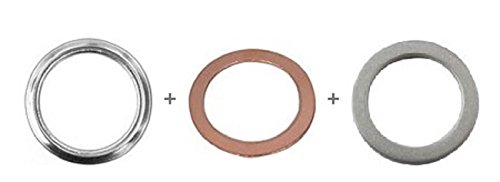
GENUINE TOYOTA GASKET KIT
Improved Performance
Fresh transfer case fluid enhances performance by providing proper lubrication among moving parts. It reduces friction, allowing smoother operation of the transfer case. As a result, you experience better acceleration and handling, especially in challenging driving conditions like off-road terrains or slick roads. When fluid levels are adequate and clean, energy transfers efficiently between your vehicle’s components, optimizing power delivery.
Prevention of Damage
Neglecting transfer case fluid changes can lead to severe damage. Old or contaminated fluid loses its effectiveness over time, increasing wear on gears and bearings. If you ignore signs of needed fluid change, you risk costly repairs or even complete transfer case failure. A proactive approach, including regular checks and changes, prevents issues before they escalate, safeguarding your investment and ensuring longevity for your vehicle.
Factors Influencing Cost
Several factors influence the cost of a transfer case fluid change. Understanding these factors helps you estimate expenses effectively.
Recommended Products

[High-quality Materials] The lower gear oil pump is made of high-quality materials, which is durable and ensures fast and precise refilling of lubricating oil for the lower device of the marine engine, and is easy to use.

Compatible With Toyota Lexus Scion Transfer Case And Differential Service Transfer & Differential Service Gasket Kit
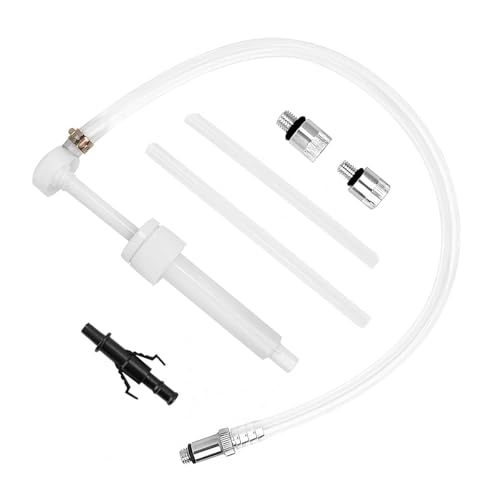
Complete 1 Set Kit: This car transmission fluid pump kit includes all necessary components for fluid transfer tasks. The full set comes with the main pump body and matching adapters, supporting direct use for various vehicle fluid changing needs.
Vehicle Type
Vehicle type plays a significant role in determining cost. Different vehicles, like compact cars, trucks, or SUVs, have varying transfer case designs and methods for fluid changes. For example, luxury SUVs may require specialized fluids and equipment, raising costs. Additionally, four-wheel-drive (4WD) and all-wheel-drive (AWD) vehicles often have more complex transfer cases, possibly leading to higher service fees due to additional labor.
Service Provider
Service provider choice impacts the overall cost. Dealerships often charge more than independent mechanics due to higher overhead and brand-specific expertise. However, a dealership might offer specialized knowledge regarding your vehicle’s required procedures. On the other hand, independent shops may provide competitive pricing and personalized service. Comparing quotes from multiple providers can help you find the best deal for your needs.
Fluid Type
Fluid type affects both the price and performance of your transfer case. Standard fluids are generally less expensive, while synthetic or high-performance fluids often come at a premium. Using the recommended fluid type for your vehicle is essential, as it can enhance performance and longevity. It’s worth discussing options with your service provider to determine the best fluid for your situation and budget.
Average Cost Range for Transfer Case Fluid Change
The average cost for a transfer case fluid change typically ranges from $100 to $300. This price can vary based on multiple factors.
Recommended Products

Meets the challenging demands of different all-wheel and four-wheel drive vehicles with multi-powered axles

Specifically approved for use in GM automatic four-wheel drive vehicles with transfer cases

YSTOOL fluid extractor and dispenser tool kit includes 3PCS 1M dipstick tubes, can insert into engine dipstick tube to extract and refill engine oil or transmission fluid directly, no more need to crawl about under lifted vehicles and avoid mess. Also can insert into any insertable pipe or tank to change non-corrosive and low-consistency liquids (such as differential fluid, transfer case fluid, gear oil, power steering fluid, coolant, water) in vehicle, jet ski, lawn mower or other small engine
Cost Breakdown
- Labor Costs: Expect to pay between $50 and $150 for labor. Independent mechanics might charge less than dealerships.
- Fluid Costs: The fluid itself generally costs between $15 and $80. Synthetic options usually fall on the higher end of this range.
Factors Affecting Costs
- Vehicle Type: Larger vehicles like SUVs or trucks might incur higher costs due to more complex transfer cases.
- Service Provider: Dealerships may charge premium prices for expertise and OEM parts, while independent shops typically offer more competitive rates.
- Fluid Type: Regular fluid costs less compared to synthetic or performance fluids. Choosing the right fluid based on vehicle specifications is crucial.
Example Costs by Vehicle Type
| Vehicle Type | Estimated Cost Range |
|---|---|
| Compact Car | $100 – $150 |
| Sedan | $100 – $200 |
| SUV | $150 – $300 |
| Truck | $150 – $300 |
- Get Quotes: Before proceeding, obtain quotes from multiple service providers to ensure you receive fair pricing.
- Check Fluid Type: Confirm the recommended fluid type for your vehicle to avoid unnecessary expense.
- Schedule Regular Maintenance: Regular maintenance delays costly repairs, making it a smart investment.
Being informed about these costs helps you budget effectively for your vehicle maintenance needs.
Conclusion
Taking care of your transfer case fluid is crucial for keeping your four-wheel-drive vehicle running smoothly. By staying on top of fluid changes you can avoid costly repairs down the line. Whether you decide to tackle the change yourself or seek professional help it’s important to budget and plan for this maintenance. Remember that investing in your vehicle’s health today can save you from headaches tomorrow. So keep an eye on those signs and don’t hesitate to give your transfer case the attention it deserves.
Frequently Asked Questions
What is the purpose of transfer case fluid in four-wheel-drive vehicles?
Transfer case fluid lubricates the components of a four-wheel-drive vehicle’s transfer case, ensuring smooth operation and effective power distribution to the wheels. It also helps maintain the temperature and prevents wear and tear on internal parts.
How often should I change the transfer case fluid?
It’s typically recommended to change the transfer case fluid every 30,000 to 60,000 miles, but you should consult your vehicle’s owner’s manual for specific guidelines based on manufacturer recommendations and driving conditions.
What are the signs that I need to change my transfer case fluid?
Signs include unusual noises from the transfer case, difficulty shifting into or out of four-wheel drive, and visible leaks or discoloration of the fluid. Regular checks can help you catch issues early.
Can I change the transfer case fluid myself?
Yes, changing transfer case fluid can be done at home with basic tools. Be sure to follow the proper guidelines for your vehicle, including the type of fluid needed and how to dispose of the old fluid safely.
How much does a transfer case fluid change cost?
The cost typically ranges from $100 to $300 depending on factors like labor, type of fluid, and the service provider. Costs can vary significantly based on vehicle type and region.
What factors influence the cost of changing transfer case fluid?
Factors include labor charges, the type and amount of fluid needed, the type of vehicle, the choice of service provider, and additional repairs or services required during the change.
Are there risks of neglecting transfer case fluid changes?
Yes, neglecting to change transfer case fluid can lead to severe damage over time, resulting in expensive repairs and decreased vehicle performance. Regular maintenance helps avoid these complications.
How can I budget for transfer case fluid changes?
To budget effectively, consider the average cost range ($100 to $300), check your vehicle’s maintenance schedule, and set aside funds regularly for upcoming maintenance needs. Factor in potential costs for repairs if neglected.
