

Have you ever wondered how much fluid your transfer case really needs? If you’ve recently noticed unusual sounds or shifting issues in your vehicle, it might be time to check that fluid level. Knowing the right amount can save you from costly repairs and keep your ride running smoothly.
Key Takeaways
- Transfer Case Functionality: A transfer case is crucial for distributing power to the front and rear wheels in 4WD and AWD vehicles, enhancing traction and stability.
- Fluid Capacity Variance: The fluid requirements for transfer cases typically range from 1 to 3 quarts, dependent on the vehicle make, model, and transfer case type.
- Importance of Fluid Type: Using the correct fluid type is vital for optimal performance; manual transmissions may require gear oil, while automatic transmissions typically need ATF.
- Signs of Low Fluid: Be vigilant for signs of low transfer case fluid, including unusual noises, difficulty shifting gears, fluid leaks, dashboard warning lights, and excessive vibrations.
- Regular Maintenance: Consistently checking and maintaining the fluid levels can prevent severe damage and ensure your transfer case operates smoothly.
- Consult Your Owner’s Manual: For the most accurate information regarding fluid type and capacity, always refer to your vehicle’s owner’s manual.
Overview of Transfer Cases
A transfer case connects a vehicle’s transmission to its drive axles. It plays a key role in distributing power to both the front and rear wheels. Transfer cases are found in four-wheel-drive (4WD) and all-wheel-drive (AWD) systems.
Types of Transfer Cases
- Part-Time Transfer Case
Part-time transfer cases engage the front wheels only when needed. This setup saves fuel during normal driving conditions and activates for off-road or slippery conditions. - Full-Time Transfer Case
Full-time transfer cases power all four wheels at all times. This design improves traction and stability on various surfaces. - Active Transfer Case
Active transfer cases automatically distribute power between the front and rear wheels. They optimize traction based on real-time road conditions.
Functions of a Transfer Case
- Power Distribution: It manages the distribution of engine power to the correct wheels.
- Gear Reduction: It provides additional torque for off-road conditions through lower gear settings.
- Driving Mode Selection: It allows you to switch between different driving modes, such as 2WD, 4WD, or low range.
Fluid Requirements
Transfer cases require specific types of fluid to function effectively. The amount varies by vehicle model, typically ranging from 1 to 3 quarts. Always refer to your owner’s manual for the correct fluid type and capacity. Regularly checking and replacing the fluid ensures smooth operation and prevents damage.
Factors Affecting Fluid Capacity
Understanding the factors that affect fluid capacity helps you maintain your transfer case effectively. Several elements influence how much fluid a transfer case requires.
Recommended Products

【Multiple Applications】This transmission fluid pump fits standard quart bottles come with 28mm bottle cap,with an 8cc per pump stroke capacity,Suitable for dozens of uses including oil changes,siphoning gasoline,and transferring a wide range of fluids such as engine oil, biodiesel, kerosene, or shampoo,detergent.

🚗Fits Standard Quart Bottles with 28mm Bottle Cap

Vehicle Make and Model
Vehicle make and model play a crucial role in determining fluid capacity. Different manufacturers design transfer cases to accommodate specific systems and performance needs. For example, a Ford F-150 may require 2.5 quarts, while a Jeep Wrangler might only need 1.5 quarts. Always consult your owner’s manual for the precise specifications for your vehicle.
Type of Transfer Case
The type of transfer case significantly impacts fluid capacity. Here’s a breakdown of the main types:
- Part-Time Transfer Case: These often have a smaller capacity due to their simpler design, typically requiring 1 to 2 quarts of fluid.
- Full-Time Transfer Case: Full-time systems distribute power to all wheels at all times, needing more fluid, usually between 2 and 3 quarts.
- Active Transfer Case: Active systems adjust power distribution based on driving conditions, often requiring 3 quarts or more due to their complexity.
Understanding the type of transfer case in your vehicle helps ensure you add the correct amount of fluid for optimal performance.
Common Fluid Types
Understanding the common fluid types used in transfer cases helps ensure proper maintenance and functionality. Different vehicles require specific fluids to perform optimally.
Recommended Products

FlexFill squeezable pouch releases 2X more fluid with less effort for 3X faster filling vs. traditional bottle packaging

Works in tight spaces and makes gear oil easier to use
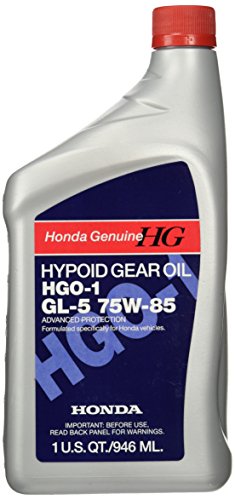
genuine oem factory part
Manual vs. Automatic Transmission
Manual transmission vehicles often use gear oil, typically a 75W-90 or 80W-90 viscosity, suitable for power transfer. The lubrication provides necessary protection against wear and aids smoother operation.
Automatic transmission vehicles generally utilize ATF (Automatic Transmission Fluid). This fluid is lighter and designed to help with shifting and cooling while preventing oxidation.
Each type serves a distinct purpose, and selecting the wrong fluid can lead to malfunctions. Always refer to the owner’s manual for the recommended fluid type.
Synthetic vs. Conventional Fluids
Synthetic fluids offer superior performance compared to conventional oils. They perform better under extreme temperatures and provide enhanced lubricating properties. Typically, synthetic fluids resist breakdown and offer longer intervals between changes.
Conventional fluids are more affordable but often require frequent changes. They may work adequately for basic functionality but lack the high-performance qualities of synthetic options.
Choosing between synthetic and conventional fluids depends on driving conditions, vehicle type, and personal preference. Always consult your owner’s manual for fluid specifications and recommendations tailored to your vehicle.
How to Check Fluid Levels
Maintaining proper fluid levels in your transfer case is essential for smooth operation. Here’s how to check those levels effectively.
Recommended Products

Specifically approved for use in GM automatic four-wheel drive vehicles with transfer cases

Meets the challenging demands of different all-wheel and four-wheel drive vehicles with multi-powered axles

Long lasting endurance
Tools Needed
- Ramps or Jack Stands: Elevate your vehicle safely.
- Socket Wrench: Use this for loosening the fill and drain plugs.
- Fluid Pump: Ideal for transferring fluid into the transfer case.
- Container: Collect any fluid that might drain out.
- Clean Rag: Wipe off any dirt or debris from the fill plug.
- Park on Level Ground: Ensure your vehicle is on a flat surface for an accurate reading.
- Lift the Vehicle: Use ramps or jack stands to gain access to the transfer case.
- Locate the Fill Plug: Find the fill plug on the transfer case, often on the side.
- Remove the Fill Plug: Use a socket wrench to remove the plug. This allows air to enter, making it easier to gauge fluid levels.
- Check Fluid Levels: Insert your finger into the opening. The fluid should cover your fingertip. If it doesn’t, it’s time to add fluid.
- Add Fluid If Necessary: Use the fluid pump to add the correct type of fluid until it begins to spill slightly from the fill hole.
- Replace the Fill Plug: Tighten the plug securely to prevent leaks.
- Clean Up: Wipe any spilled fluid and ensure that all tools are removed from the work area.
Following these steps keeps your transfer case healthy and functioning optimally.
Signs of Low Fluid in a Transfer Case
Recognizing the signs of low fluid in a transfer case can prevent serious vehicle issues. Pay attention to these indicators:
- Unusual Noises
Hear grinding or whining sounds when operating your vehicle? These noises often signal insufficient fluid levels, leading to inadequate lubrication. - Difficulty in Engaging Gears
Experience trouble shifting into or out of gear? This problem might arise from low fluid, affecting the transfer case’s ability to operate smoothly. - Fluid Leaks
Notice fluid puddles under your vehicle? Check for reddish or brownish fluid under the transfer case. Fluid leaks can significantly reduce fluid levels. - Warning Lights
Spot a warning light on your dashboard? Many modern vehicles include transfer case indicators that alert you to low fluid levels. - Vibrations
Feel excessive vibrations while driving? Low fluid can cause friction and increase vibrations, indicating a need for immediate attention.
Regularly checking fluid levels can help avoid these signs. Maintain the recommended fluid levels to ensure your transfer case operates efficiently.
Conclusion
Keeping an eye on your transfer case fluid is key to a smooth ride. By understanding how much fluid your specific vehicle needs and checking it regularly you can avoid those pesky warning signs that indicate trouble.
Don’t forget to use the right type of fluid as outlined in your owner’s manual. This simple maintenance step can save you time and money in the long run. So grab your tools and make checking your transfer case fluid a regular part of your vehicle care routine. Your car will thank you for it!
Frequently Asked Questions
What is a transfer case in a vehicle?
A transfer case is a crucial component in vehicles with four-wheel drive (4WD) or all-wheel drive (AWD). It distributes power from the engine to the front and rear axles, enabling better traction and control on various terrains.
Why is it important to maintain fluid levels in a transfer case?
Maintaining proper fluid levels in a transfer case is vital to prevent costly repairs and ensure optimal vehicle performance. Insufficient fluid can lead to overheating, gear engagement issues, and potential damage to the transfer case.
How do I know if my transfer case fluid is low?
Signs of low transfer case fluid include unusual noises, difficulty engaging gears, fluid leaks, warning lights on the dashboard, and vibrations while driving. Regular checks help prevent these issues.
What types of transfer case fluid are available?
Common types of transfer case fluids include synthetic and conventional options. Synthetic fluids often provide better performance and longer maintenance intervals, which can be critical for vehicle longevity.
How can I check and maintain transfer case fluid levels?
To check and maintain fluid levels, use ramps to lift the vehicle, then employ a socket wrench to remove the fill plug. Insert a fluid pump to add the correct fluid type until it reaches the proper level, as outlined in the owner’s manual.
