

Have you ever wondered how much it costs to change your transfer case fluid? You’re not alone. Many vehicle owners overlook this essential maintenance step, but neglecting it can lead to bigger issues down the road.
Changing transfer case fluid is crucial for keeping your vehicle running smoothly, especially if you drive an all-wheel or four-wheel drive. Knowing the costs involved can help you budget and make informed decisions about your car’s upkeep. This article will break down the typical expenses associated with this service, so you can keep your ride in top shape without breaking the bank.
Key Takeaways
- Changing transfer case fluid is essential for maintaining vehicle performance, especially in all-wheel and four-wheel drive systems.
- Costs for changing transfer case fluid can range from $100 to $400, depending on the type of vehicle, fluid used, and labor rates in your location.
- Standard vehicles generally incur lower costs compared to SUVs, trucks, and luxury cars that require specialized fluids.
- Recognizing warning lights and unusual noises in your vehicle can signal the need for a fluid change, preventing further damage.
- Weigh the pros and cons of DIY versus professional service to choose the best option for your budget and skills.
- Ensure you have the right tools on hand if undertaking a DIY fluid change, as this can facilitate a smoother and more efficient process.
Factors Influencing Cost
Several factors influence the cost of changing transfer case fluid, including the type of vehicle and the location of the service.
Recommended Products

Specifically approved for use in GM automatic four-wheel drive vehicles with transfer cases

Full-synthetic transfer case fluid for on-demand and full-time AWD/4x4 systems across European, Asian and US OEMs. Applications include Porsche Cayenne/Macan, BMW xDrive, Audi Quattro, Land Rover/Range Rover, Nissan, Mercedes-Benz 4MATIC (MB 239.41 Torque-on-Demand), Genesis/Kia TF-0870B (G70, G80, G90, Stinger AWD).

Type of Vehicle
The vehicle type significantly affects the fluid change cost.
- Standard vehicles typically cost less because they use common fluids and have simpler systems.
- SUVs and trucks may experience higher costs due to larger fluid capacities and more complex transfer cases.
- Luxury vehicles often require specialized fluids and equipment, increasing overall service charges.
Location and Labor Rates
Location and associated labor rates play crucial roles in determining the total cost.
- Urban areas usually charge more for labor due to higher demand and living costs.
- Rural areas often offer more affordable rates, but the service options may be limited.
- While dealerships may provide expert services, they often present higher labor costs compared to independent shops.
By considering these factors, you can better estimate the cost of your transfer case fluid change.
Average Cost Breakdown
Understanding the cost breakdown for changing transfer case fluid can help you budget effectively for this important maintenance task. Costs vary based on materials, labor, and specific vehicle requirements.
Recommended Products

【Multiple Applications】This transmission fluid pump fits standard quart bottles come with 28mm bottle cap,with an 8cc per pump stroke capacity,Suitable for dozens of uses including oil changes,siphoning gasoline,and transferring a wide range of fluids such as engine oil, biodiesel, kerosene, or shampoo,detergent.

Efficient Pumping: This fluid transfer pump comes with two different height suction tubes for quart bottles of different heights, making it easy to reach the bottom of the bottle. Easily control the amount of fluid pumped out without worrying about overfilling, making oil change operations easier on boats and vehicles.

[High-quality Materials] The lower gear oil pump is made of high-quality materials, which is durable and ensures fast and precise refilling of lubricating oil for the lower device of the marine engine, and is easy to use.
Materials and Fluid
Fluid type plays a significant role in overall costs. Common transfer case fluids include:
- Standard Gear Oil: Typically costs between $10 and $20 per quart, suitable for most vehicles.
- Synthetic Fluid: Generally ranges from $15 to $30 per quart. This fluid is often recommended for high-performance or luxury vehicles to enhance durability and efficiency.
- Additives: Some vehicles may require specific additives, which can add an extra $5 to $15.
On average, expect to purchase about 2 to 4 quarts of fluid. Always check your owner’s manual for precise fluid requirements.
Labor Costs
Labor costs fluctuate based on location and shop type. Average hourly rates are:
- Independent Shops: Charge between $75 and $100 per hour.
- Dealerships: Usually charge between $100 and $150 per hour.
Most transfer case fluid changes take about 1 to 2 hours. Therefore, total labor costs generally range from $75 to $300, depending on the shop’s pricing structure and the time spent on the service. Additional fees may apply for diagnostics or inspections.
By combining material and labor costs, expect to pay anywhere from $100 to $400 for a complete transfer case fluid change.
Signs You Need to Change Transfer Case Fluid
Recognizing the signs that indicate a need to change transfer case fluid can prevent larger issues down the road. Watch for these key indicators.
Warning Lights
Check your dashboard for any warning lights. If the transfer case fluid is low, the warning light may illuminate. This light often signifies a problem with the drivetrain, indicating that the fluid requires immediate attention.
Odd Noises
Listen for unusual noises while driving. Grinding, whining, or clunking sounds can indicate transfer case problems. These noises often mean that the transfer case fluid is old, thin, or contaminated, leading to inadequate lubrication and potential damage.
DIY vs. Professional Service
Choosing between DIY and professional service for changing transfer case fluid can impact both cost and convenience. Consider the following factors before making your decision.
Recommended Products
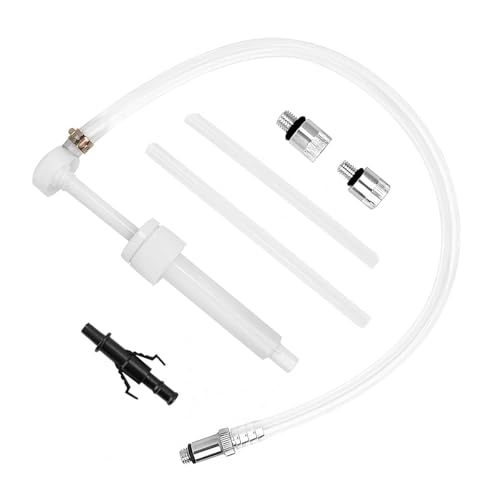
Complete 1 Set Kit: This car transmission fluid pump kit includes all necessary components for fluid transfer tasks. The full set comes with the main pump body and matching adapters, supporting direct use for various vehicle fluid changing needs.
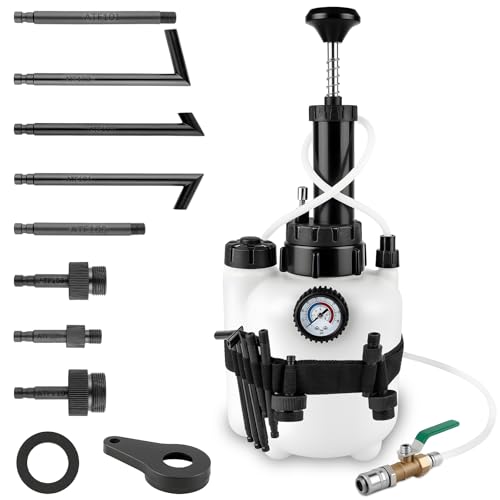
3L Pressure Reservoir: Comes with a 3-liter pressure holder and built-in pressure gauge, letting one handle brake fluid replacement alone. It cuts maintenance time, suited for home users and seasoned workers relying on automotive tools and automotive fluid pump

Dual-Mode Mastery: Our fluid extractor adapts to your needs with pneumatic and manual operation modes. The pneumatic mode provides higher speed for increased work efficiency, while the manual mode can function without the fuss of extra gear, which is simple to operate and convenient.
Pros and Cons of Each
- DIY Pros:
- Cost Savings: You save on labor costs by doing it yourself.
- Control: You control the process and choose your fluids.
- Skills Development: You gain experience and knowledge about your vehicle.
- DIY Cons:
- Time Investment: You spend extra time researching and performing the task.
- Potential for Mistakes: There’s a risk of errors that could lead to further issues.
- Limited Equipment: You may lack necessary tools, adding to the difficulty.
- Professional Service Pros:
- Expertise: Technicians have training and experience with various vehicles.
- Guarantee: Service often includes a warranty on both labor and parts.
- Convenience: You save time and effort by having someone else do the work.
- Professional Service Cons:
- Higher Cost: Labor fees can significantly increase the total expense.
- Potential Upselling: Some shops might recommend unnecessary services.
- Less Control: You’re reliant on the shop’s schedule and workflow.
Tools Required for DIY
If you decide to change the transfer case fluid yourself, gather the following tools:
- Wrench Set: You need wrenches to remove the drain and fill plugs.
- Fluid Pump: A pump helps transfer new fluid into the transfer case.
- Drain Pan: Use a pan to catch old fluid during the change.
- Rags: Keep rags handy for spills and cleanup.
- Safety Equipment: Wear gloves and goggles for protection.
Having the right tools makes the process smoother, ensuring you complete the job efficiently. Always consult your vehicle’s manual for specific fluid types and capacities before starting.
Conclusion
Taking care of your transfer case fluid is an essential part of vehicle maintenance. By staying on top of this task you can avoid costly repairs down the road. Whether you choose to tackle it yourself or seek professional help the investment is well worth it for the longevity of your vehicle.
Keep an eye out for warning signs and be proactive about fluid changes. With a little planning and awareness you can ensure your car runs smoothly for years to come. Happy driving!
Frequently Asked Questions
Why is changing transfer case fluid important?
Changing transfer case fluid is crucial for maintaining the performance and longevity of all-wheel or four-wheel drive vehicles. This fluid lubricates and cools the transfer case, preventing overheating and mechanical wear. Regular changes help prevent costly repairs and ensure optimal vehicle handling and safety.
What factors influence the cost of changing transfer case fluid?
The cost of changing transfer case fluid can vary based on factors like location, labor costs, vehicle make and model, and whether you choose DIY or professional service. Typically, you can expect to pay between $100 and $400 for this maintenance task.
What are the warning signs that my transfer case fluid needs changing?
Warning signs include dashboard warning lights, unusual noises while driving (like grinding or clattering), difficulty in shifting gears, or fluid leaks under your vehicle. If you notice any of these symptoms, it’s advisable to check the transfer case fluid promptly.
Can I change transfer case fluid myself, or should I hire a professional?
You can change transfer case fluid yourself if you have the right tools and skills, which can save you money. However, hiring a professional offers expertise and assurance that the job is done correctly. Weigh the pros and cons to decide which option suits you best.
What tools do I need for a DIY transfer case fluid change?
For a DIY transfer case fluid change, you’ll need a wrench set, a fluid pump, a drain pan, rags, and safety equipment like gloves and goggles. Additionally, consulting your vehicle’s manual for specific instructions is essential for a successful fluid change.
