

Have you ever wondered how to keep your Nissan’s transfer case running smoothly? If you’re experiencing issues with your vehicle’s four-wheel drive or just want to perform some routine maintenance, adding fluid to the transfer case is a crucial step. It’s a task many drivers overlook, but it can make a big difference in your car’s performance.
Key Takeaways
- Importance of Transfer Case Fluid: Keeping the transfer case fluid at the right level is essential for optimal power distribution, traction, and overall vehicle performance.
- Regular Maintenance: Performing monthly fluid checks, inspecting for leaks, and listening for unusual noises can prevent costly repairs and enhance the longevity of your Nissan’s transfer case.
- Types of Transfer Cases: Understanding the different types (part-time, full-time, automatic) can help you manage your vehicle’s 4WD system more effectively.
- Signs of Low Fluid: Be alert for warning lights, poor traction, or unusual noise and vibrations as indicators that your transfer case fluid levels may be insufficient.
- Proper Fluid Addition: When adding fluid, ensure you use the recommended type, park on a level surface, and follow the correct procedure to avoid spills and ensure accurate fluid levels.
- Benefits of Adequate Fluid: Maintaining proper fluid levels contributes to enhanced performance, extended component life, prevention of overheating, and improved fuel efficiency.
Understanding Nissan Transfer Cases
Nissan transfer cases manage power distribution between the front and rear axles. They enable four-wheel drive (4WD) functionality, critical for off-road driving and challenging weather conditions. Understanding their components and operation is essential for maintenance.
Components of a Nissan Transfer Case
- Case Housing: Protects internal parts.
- Input Shaft: Connects to the transmission, transferring power.
- Output Shafts: Directs power to the front and rear differentials.
- Chain or Gear System: Distributes power and affects gear ratio.
- Fluid: Lubricates components, preventing wear.
Function of the Transfer Case
Nissan transfer cases play a vital role in vehicle handling. They balance power between axles, enhancing traction on slippery surfaces. If fluid levels drop, wear increases, impacting performance. Regular checks ensure efficient power transfer.
Types of Transfer Cases
- Part-Time: Engages 4WD when needed, conserving fuel.
- Full-Time: Keeps 4WD engaged, providing consistent traction.
- Automatic: Adjusts power distribution based on conditions.
Common Issues
- Fluid Leaks: Can indicate seal damage; check regularly.
- Noise: Unusual sounds may point to mechanical failure.
- Slipping: Difficulty engaging 4WD; inspect fluid and components.
- Check Fluid Levels: Inspect monthly; ensure a suitable fluid type.
- Inspect Seals: Look for leaks during oil changes.
- Listen for Odd Noises: Identify issues early to prevent costly repairs.
By maintaining your Nissan transfer case, you ensure improved performance and longevity. Regular upkeep prevents costly repairs and optimizes your driving experience.
Importance of Fluid Maintenance
Maintaining proper fluid levels in your Nissan’s transfer case is crucial for optimal performance. Keeping the transfer case fluid at the right level ensures efficient power distribution, enhancing your vehicle’s traction and overall drivability.
Recommended Products
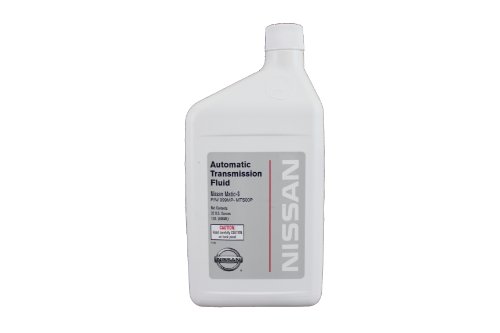
The exact Original Equipment Manufacturer fluid that your vehicle came with; use where Nissan Matic-S fluids are required in Nissan, Infiniti, and other make vehicles

The exact Original Equipment Manufacturer fluid that your vehicle came with; use where Nissan CVT NS-3 fluids are required in Nissan, Infiniti, and other make vehicles

For use in 95% of vehicles including most CVTs in operation with US registered light duty applications
Benefits of Proper Fluid Levels
- Enhanced Performance: Sufficient fluid levels improve the transfer case’s ability to distribute power effectively. This results in smoother gear shifts and better handling during various driving conditions.
- Extended Component Life: A well-lubricated transfer case reduces wear and tear on internal gears and components. This lowers the likelihood of breakdowns and costly replacements in the long run.
- Prevention of Overheating: Adequate fluid prevents overheating caused by friction. Monitoring fluid levels helps maintain optimal temperatures, promoting system efficiency.
- Improved Fuel Efficiency: A properly functioning transfer case contributes to better fuel efficiency. When all components work harmoniously, your vehicle consumes fuel more efficiently.
- Increased Wear: Low fluid levels lead to increased friction between moving parts. Over time, this results in significant wear, which can cause permanent damage to the transfer case.
- Poor Traction: Insufficient fluid impacts the transfer case’s ability to distribute power. This can lead to poor traction, especially in challenging conditions like snow, mud, or steep inclines.
- Noise and Vibration: Low fluid can cause abnormal noises and vibrations during operation. These symptoms indicate potential damage, requiring immediate attention and repair.
- Complete Transfer Case Failure: In severe cases, low fluid levels may lead to complete transfer case failure. This can leave you stranded and incur high repair costs, making regular checks essential.
How to Add Fluid to a Nissan Transfer Case
Adding fluid to your Nissan transfer case helps maintain performance and extends the life of your vehicle. Follow these guidelines to ensure you do it correctly.
Tools and Materials Needed
- Transfer Case Fluid: Use the specific fluid recommended in your owner’s manual.
- Funnel: A narrow funnel makes pouring easier without spills.
- Socket Wrench: Required to remove the fill plug.
- Rags or Towels: For cleaning up any spills.
- Container: For catching any overflow or drips.
- Park on Level Ground: Ensure your vehicle is on a flat surface to get accurate readings and prevent spills.
- Locate the Transfer Case: Find the transfer case; it’s usually near the transmission underneath your vehicle.
- Identify the Fill Plug: The fill plug typically sits on the side of the transfer case.
- Remove the Fill Plug: Use the socket wrench to carefully unscrew the fill plug. Allow any excess fluid to drain.
- Check Fluid Level: Insert your finger into the fill hole; you should feel fluid just below the opening. If you don’t, it’s time to add fluid.
- Add Fluid: Use the funnel to pour the recommended fluid into the fill hole until it starts to overflow slightly. This indicates the level is correct.
- Replace the Fill Plug: Screw the fill plug back in securely to prevent leaks.
- Clean Up: Wipe away any spilled fluid with rags or towels.
Performing this task regularly ensures your transfer case functions optimally. Regular checks can help avoid costly repairs down the road.
Tips for Regular Maintenance
Regular maintenance of your Nissan transfer case ensures optimal performance and longevity. Consistently checking fluid levels reduces the risk of costly repairs.
Recommended Products
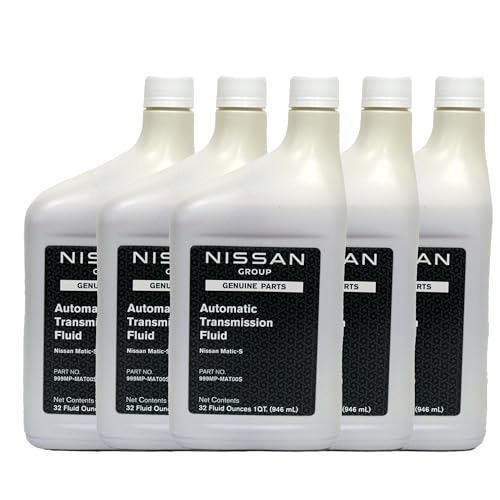
Genuine Nissan OEM Matic-S Transmission Fluid 999MP-MTS00P (5 Quarts)

The information below is per-pack only

Full-synthetic transfer case fluid for on-demand and full-time AWD/4x4 systems across European, Asian and US OEMs. Applications include Porsche Cayenne/Macan, BMW xDrive, Audi Quattro, Land Rover/Range Rover, Nissan, Mercedes-Benz 4MATIC (MB 239.41 Torque-on-Demand), Genesis/Kia TF-0870B (G70, G80, G90, Stinger AWD).
Signs You Need to Add Fluid
- Warning Light: If your dashboard warning light illuminates, check the fluid levels immediately.
- Low Fluid Level: Use the dipstick or fill plug to check fluid levels periodically.
- Noise or Vibration: Unusual sounds or vibrations while driving may indicate low fluid levels.
- Poor Traction: Noticeable decrease in traction can signal transfer case issues due to insufficient fluid.
- Nissan Gear Oil: Refer to your owner’s manual for the OEM fluid recommendation.
- SAE 75W-90: Use this viscosity rating for most Nissan transfer cases.
- Synthetic Oil: Consider synthetic options for better temperature performance and protection.
- Check Specifications: Always verify fluid specifications for your specific model and year before adding fluid.
Conclusion
Keeping your Nissan’s transfer case fluid at the right level is key to smooth operation and longevity. By following the steps outlined and staying proactive with your maintenance, you can avoid potential issues down the road. Remember to check your fluid regularly and stay alert for any warning signs. With the right care and attention, your transfer case will continue to perform at its best, giving you peace of mind on every drive. Happy driving!
Frequently Asked Questions
Why is maintaining fluid levels in a Nissan transfer case important?
Maintaining proper fluid levels in your Nissan’s transfer case is crucial for optimizing performance. It enhances power distribution, improves fuel efficiency, and extends the life of components. Low fluid levels can lead to increased wear, noise, vibration, and even transfer case failure.
How do I check the fluid level in my Nissan transfer case?
To check the fluid level, locate the transfer case under your vehicle. Remove the fill plug and insert your finger to feel for the fluid. If you can’t feel fluid at the opening, it’s time to add more. Always refer to your owner’s manual for specific locations and guidelines.
What are the signs of low fluid levels in a transfer case?
Signs of low fluid levels include dashboard warning lights, unusual noise or vibration, poor traction, and decreased performance. If you notice these symptoms, it’s essential to check the fluid levels and address any issues immediately to avoid significant damage.
What type of fluid should I use for my Nissan transfer case?
For most Nissan models, it’s recommended to use Nissan gear oil with a viscosity rating of SAE 75W-90. Always check your owner’s manual for specific fluid recommendations tailored to your model and year, as these can vary.
How often should I check my Nissan transfer case fluid?
It’s a good practice to check your transfer case fluid regularly—at least every 5,000 to 10,000 miles, or during routine maintenance. Regular checks help prevent issues from arising and ensure optimal performance of your vehicle.
Can I use synthetic oil in my Nissan transfer case?
Yes, you can use synthetic oil in your Nissan transfer case. Synthetic oils can provide better performance and protection under extreme conditions. However, always refer to your owner’s manual to ensure compatibility with your specific vehicle model.
What can happen if I ignore low transfer case fluid levels?
Ignoring low fluid levels can result in severe repercussions, such as increased wear on components, noise, vibration, and ultimately transfer case failure. Regular maintenance and attention to fluid levels can help prevent costly repairs down the road.
