

Ever found yourself with a windshield washer fluid tank full of the wrong mix? It’s a common issue that can leave your visibility compromised and your drive less safe. You might be wondering how to tackle this problem without a trip to the mechanic.
Key Takeaways
- Importance of Windshield Washer Fluid: Regular maintenance is crucial for ensuring clear visibility while driving and enhancing road safety by keeping your windshield clean.
- When to Drain Washer Fluid: Drain your washer fluid for seasonal changes, incorrect mixes, contamination, or when the fluid has aged to maintain optimal performance.
- Steps to Drain Washer Fluid: To drain, locate the reservoir, prepare the area, remove the cap, drain the fluid (using a drain plug or siphon), clean the reservoir, and refill with fresh fluid.
- Best Practices for Maintenance: Regularly check fluid levels, use fluid suitable for your climate, flush the system twice a year, and inspect hoses and nozzles to prevent clogs.
- Signs for Fluid Replacement: Replace washer fluid if it appears cloudy, sprays poorly, freezes in cold weather, or shows visible residue or crystals inside the reservoir.
- Troubleshooting Issues: Address common problems like fluid not draining or clogged nozzles promptly to ensure your windshield washer system functions effectively.
Understanding Windshield Washer Fluid
Windshield washer fluid plays a crucial role in maintaining clear visibility while driving. Proper maintenance of this fluid ensures your windshield stays clean, which helps you avoid hazards on the road.
Importance of Maintaining Washer Fluid
Maintaining your washer fluid contributes significantly to road safety. Fresh fluid improves your vehicle’s ability to remove dirt, debris, and grime from the windshield. This visibility allows you to react promptly to changing conditions. Regularly checking the fluid level prevents the frustration of discovering an empty tank while driving.
Common Reasons to Drain Washer Fluid
Draining your washer fluid becomes necessary for several reasons:
- Seasonal Changes: In colder months, using a fluid with antifreeze properties is essential. Draining summer mixtures prevents freezing and potential damage to the system.
- Incorrect Mix: Sometimes, you might accidentally mix different types of fluids. This can lead to clogs or reduced effectiveness. Draining helps restore the proper mixture.
- Contamination: Dust, dirt, or debris can enter the washer fluid reservoir. Draining contaminated fluid ensures optimal performance.
- Fluid Age: Washer fluid can degrade over time. Draining old fluid allows you to replace it with fresh, effective fluid.
Understanding these factors helps you maintain a safe and functional windshield washer system.
How to Drain Windshield Washer Fluid
Draining windshield washer fluid helps maintain the effectiveness of your system. Follow these steps for a simple process.
Recommended Products

SAFE AND RELIABLE - The shark bite button system provides a stronger grip than traditional hose connectors, preventing messy leaks and spills

ULTRA QUIET PUMPING: The design of the TRHA01 allows you to drain aquariums and fish tanks completely. Innovative Pump In Tip allows the centrifugal pump to always be primed and automatically drains the hose after use.
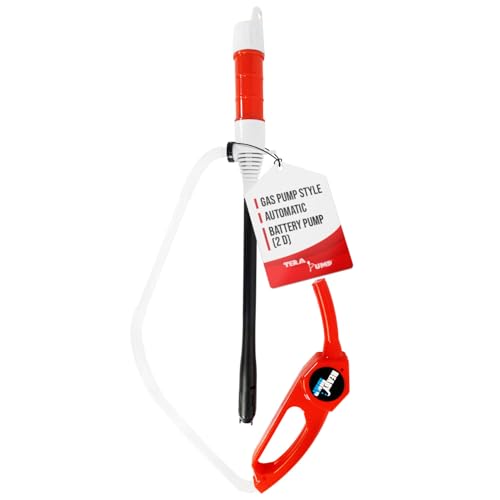
TRANSFER RATES: Transfers up to 1.8 Gallons per Minute or 7 Liters per Minute with Ready Pump Nozzle (Gas Pump Style Nozzle) - Replacement motor cap & battery cover (Sold Separately) - Built-in hook for easy storage in the garage or shop
Tools and Materials Needed
- Bucket: To catch the old fluid
- Wrench: To loosen any necessary bolts
- Screwdriver: For accessing the washer fluid reservoir
- Rags: For cleanup
- Funnel: When refilling with new fluid
- Locate the Reservoir: Find the windshield washer fluid reservoir under the hood. It’s usually a translucent container marked with a windshield icon.
- Prepare the Area: Place the bucket under the reservoir to catch the fluid.
- Remove the Cap: Take off the cap of the reservoir. This allows fluid to flow out freely.
- Drain the Fluid: If there’s a drain plug, open it to let the fluid pour into the bucket. If not, use a siphon pump to remove the fluid manually.
- Clean the Reservoir: Wipe down the inside of the reservoir with rags. Look for any residue or buildup.
- Check Components: Inspect the hose and nozzle for clogs. Clear them if necessary.
- Refill with New Fluid: Use the funnel to pour new windshield washer fluid into the reservoir.
- Test the System: Activate the washer to ensure the new fluid dispenses correctly and the system operates smoothly.
Following these steps keeps your windshield washer system in top condition, providing clear visibility when you drive.
Tips for Proper Maintenance
Maintaining your windshield washer system ensures clear visibility during your drives. Consider the following best practices and signs that indicate when to replace your washer fluid.
Recommended Products

Trusted Formula for Over 30 Years: Kristall Klar has been the choice for those who want a crystal clear view of the road ahead without the streaks and smears typical of standard washer fluids

This item can no be shipped to the state in California, Техаs, Arizona please check with the manufacturer regarding warranty and support issues.

Safer, Plant-Derived Ethanol Formula: Renewable, plant-based alternative to petroleum & methanol. Safer for families & pets
Best Practices for Fluid Maintenance
- Check Fluid Levels Regularly: Inspect the reservoir every month. Keeping track prevents running low and ensures optimal performance.
- Use the Right Fluid: Choose washer fluid appropriate for your climate. Antifreeze fluids are excellent for colder regions, while summer formulations resist streaks and grime.
- Flush the System Twice a Year: Drain and refill your washer system at least twice annually. This practice removes accumulated dirt and ensures fresh fluid circulates.
- Inspect Hoses and Nozzles: Frequently check for clogs and leaks. Clear any blockages with a soft brush or compressed air to avoid reduced spraying efficiency.
- Store Properly: If you add fluid to your vehicle’s reservoir, store excess fluid in a cool, dry place. This prolongs shelf life and keeps it ready for future use.
- Cloudy or Discolored Fluid: If the fluid looks murky or has visible particles, replace it. This indicates contamination.
- Poor Spraying Performance: If the nozzles spray weakly or sporadically, the fluid may have degraded or become too thick. A full replacement is necessary.
- Freezing in Cold Weather: If washer fluid freezes on icy days, switch to a winter-grade formula.
- Visible Crystals or Residue: Look for residue or crust inside the reservoir. This often indicates outdated fluid, necessitating a complete drain and refill.
Adhering to these tips ensures your windshield washer system remains effective. Engaging in regular maintenance helps sustain good visibility regardless of seasonal changes.
Troubleshooting Common Issues
Addressing common issues can help resolve problems quickly and maintain your windshield washer system’s effectiveness. Here are some common problems you might encounter.
Recommended Products

HIGH QUALITY MATERIAL: The windshield washer hose kit is made of high quality rubber, soft and elastic, strong and durable.

Package included:2 front windshield nozzles and 2 washers.、1 windshield washer fluid hose 、2 two-way hose connectors (Type I)、 2 three-way hose connectors (type T)、 2 three-way hose connectors (type Y)、one installation tool

Durable Quality: The car wash nozzle is made of high-quality materials, sturdy, waterproof and not easily damaged. This nozzle is a good helper for cleaning cars and can effectively extend the service life of the wiper blades.
Fluid Not Draining
Fluid not draining often signals a blockage in the system. Check for the following:
- Clogged Lines: Inspect the washer fluid lines for debris or kinks. Clear any obstructions to restore proper flow.
- Faulty Pump: Test the washer fluid pump. If it’s silent when activated, the pump may need replacement.
- Low Fluid Level: Ensure your washer fluid reservoir isn’t empty. Refill if necessary as low levels can prevent draining.
Following these steps often resolves the no-drain issue.
Clogged Washer Nozzles
Clogged washer nozzles can significantly hinder visibility. Here’s how to fix them:
- Visual Inspection: Check the nozzles for visible blockages such as dirt or residue. If blocked, cleaning is necessary.
- Needle or Pin: Use a needle or pin to carefully poke through the nozzle openings. This can dislodge any debris causing the clog.
- Soak in Soapy Water: If the clog persists, remove the nozzles and soak them in soapy water. Rinse well before reattaching.
These practical steps often restore functionality to your washer system, ensuring a clear view during your drive.
Conclusion
Draining your windshield washer fluid might seem like a small task but it plays a big role in keeping your driving experience safe and clear. By following the steps outlined and keeping an eye on your fluid levels you can ensure your system stays in top shape. Regular maintenance not only helps prevent issues but also gives you peace of mind on the road. So grab your tools and give your washer system the care it deserves. You’ll appreciate the difference when you hit the road with a clear view ahead.
Frequently Asked Questions
What is windshield washer fluid and why is it important?
Windshield washer fluid is a specially formulated liquid that helps clean your car’s windshield. It’s crucial for maintaining visibility while driving, especially in adverse weather conditions. Having adequate washer fluid can enhance your road safety.
How often should I check my windshield washer fluid levels?
You should check your windshield washer fluid levels regularly, ideally once a month or before long trips. Keeping an eye on fluid levels ensures you are always prepared for dirty or obstructed windshields.
What tools do I need to refill windshield washer fluid?
To refill windshield washer fluid, you typically need a funnel for easy pouring, a bucket for draining if needed, and a wrench or screwdriver for any necessary adjustments to the reservoir cover.
How can I tell if my windshield washer fluid needs to be replaced?
Signs that your windshield washer fluid needs replacement include cloudy or discolored fluid, poor spraying performance, freezing in cold weather, or visible crystals and residue in the reservoir.
What are some tips for maintaining windshield washer fluid?
To maintain windshield washer fluid, check levels regularly, use the correct fluid for your climate, flush the system twice a year, and inspect hoses and nozzles for clogs consistently.
What should I do if my washer fluid is not draining?
If your washer fluid is not draining, check for clogged lines, ensure the pump is working, and verify that the fluid level is sufficient. Cleaning washer nozzles may also help restore function.
How do I troubleshoot clogged washer nozzles?
To troubleshoot clogged washer nozzles, visually inspect them for blockage and clean them using a pin or needle. You may also need to test the fluid spray while checking for any air leaks in the system.
