

Ever noticed a burnt smell in your car and wondered what could be causing it? If you’ve recently topped off your washer fluid and caught a whiff of something off, you’re not alone. Many drivers experience this unsettling scent, and it can leave you scratching your head.
Understanding why your washer fluid might smell burnt is important. This article will help you pinpoint the issue and determine if it’s a simple fix or a sign of something more serious. By the end, you’ll feel more confident about addressing any concerns and keeping your vehicle in top shape.
Key Takeaways
- Understanding Washer Fluid: Recognize that washer fluid is essential for maintaining visibility and consists of water, alcohol, and detergents tailored for different weather conditions.
- Burnt Smell Causes: A burnt smell after adding washer fluid may result from an overfilled reservoir, hot engine components, degraded fluid, or electrical issues.
- Inspection Techniques: Perform systematic checks, such as visual inspections for leaks, evaluating fluid condition, and monitoring reservoir heat to identify the source of the burnt smell.
- Safety Implications: Be aware that burnt washer fluid can lead to reduced visibility, potential overheating of engine parts, and creates distractions while driving, posing safety risks.
- Proactive Maintenance: Regular checks of the washer fluid system can prevent complications, ensuring the vehicle operates safely and effectively.
- Seek Professional Help: Consult a mechanic if persistent burnt smells or abnormal symptoms occur to address underlying issues efficiently.
Understanding Washer Fluid
Washer fluid plays a crucial role in maintaining your vehicle’s visibility. A burnt smell after filling the washer fluid can indicate several issues.
Composition and Purpose
Washer fluid primarily consists of water, alcohol, and detergents. The alcohol helps to lower the fluid’s freezing point, while detergents assist in breaking down grime and dirt on the windshield. This composition ensures efficient cleaning while preventing damage to the car’s components.
- All-Season Washer Fluid: This fluid works effectively in various weather conditions. It’s designed to clean windshields during summer heat and winter frost.
- Winter Washer Fluid: Formulated with antifreeze agents, it prevents freezing in cold temperatures. It helps maintain fluid flow even in harsh weather.
- Summer Washer Fluid: This type often contains additional cleaning agents, perfect for removing pollen, bugs, and other summer debris.
- Concentrated Washer Fluid: This fluid requires dilution with water. It’s cost-effective and customizable according to your needs.
Being aware of these fluid types and their compositions can help you choose the right one for your vehicle, ensuring the washer system functions optimally.
The Burnt Smell Phenomenon
Experiencing a burnt smell in your car after topping off the washer fluid can be concerning. Understanding this phenomenon helps you identify causes and address any potential issues.
Recommended Products

HIGH QUALITY MATERIAL: The windshield washer hose kit is made of high quality rubber, soft and elastic, strong and durable.
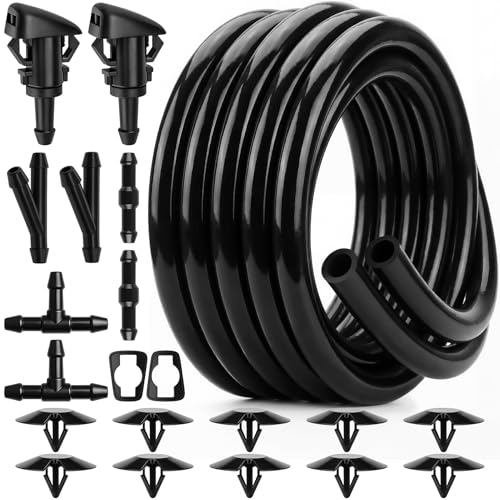
Durable Replacement Washer Hose Kit: Made of flexible rubber hose and tough plastic fan nozzles, resistant to cracking and corrosion, designed to replace aging or leaking windshield washer tubing and restore normal washer fluid flow.

State-of-the-art components
Causes of Burnt Smell
Several factors contribute to a burnt smell in your vehicle, especially after adding washer fluid.
- Overfilled Reservoir: When the washer fluid reservoir overflows, excess fluid can leak onto hot engine components, causing the burnt smell.
- Heated Components: Hot engine parts, like the exhaust system, can burn spilled washer fluid, leading to an odor.
- Degraded Fluid: Old or contaminated washer fluid can produce a burnt smell. Check the fluid’s color and consistency; if it looks degraded, consider replacing it.
- Electrical Issues: Faulty wiring or components in the washer system may create heat, resulting in a burnt smell.
Identifying the Source of the Smell
Finding the source of the burnt smell requires a systematic approach.
- Visual Inspection: Look for visible leaks around the washer fluid reservoir and hoses. Inspect around the engine for any signs of fluid spills.
- Check Fluid Condition: Assess the washer fluid quality. If it’s discolored or has a strange smell, drain and replace it.
- Monitor for Heat: After driving, touch the washer fluid reservoir to see if it feels excessively hot. Heat indicates potential issues with overfilling or nearby hot components.
- Seek Professional Help: If the smell persists or you spot electrical problems, consult a mechanic for a detailed inspection.
Identifying the right cause can help prevent further complications and keep your vehicle running smoothly.
Implications of Burnt Washer Fluid
A burnt smell from washer fluid can signal underlying issues in your vehicle. Knowing the implications of this odor helps you address potentially serious concerns.
Effects on Vehicle Performance
Burnt washer fluid affects your vehicle’s performance in several ways:
- Reduced Visibility: Ineffective washer fluid prevents the windshield from clearing properly, risking reduced visibility during driving.
- Overheating Components: Heat from nearby components can cause washer fluid to burn, potentially overheating the engine or other mechanical parts.
- Fluid Degradation: Burnt fluid often indicates degradation, reducing its cleaning effectiveness and leading to streaks or smears on the windshield.
Safety Concerns
Safety concerns arise when burnt washer fluid occurs:
- Distraction: Unpleasant odors can distract you, increasing the risk of accidents while driving.
- Potential Fire Hazard: Prolonged exposure to heat may create a fire risk, especially if washer fluid leaks onto hot engine components.
- Identifying Other Issues: A burnt smell can mask other problems, such as electrical issues or leaks, which may endanger your vehicle’s overall safety.
Addressing the burnt smell quickly ensures your vehicle remains safe and performs optimally. Regular checks can prevent further complications, keeping your driving experience smooth and secure.
Troubleshooting Steps
Identify the source of the burnt smell promptly to maintain your vehicle’s performance and safety. Follow these steps for effective troubleshooting.
Recommended Products

This item can no be shipped to the state in California, Техаs, Arizona please check with the manufacturer regarding warranty and support issues.

Removes and repels the toughest road grime

EFFORTLESS CLEANING: Enjoy hassle-free maintenance with ABRO's pre-mixed windshield wiper fluid formula, saving you time and effort in preparing the solution for streak-free clarity.
Inspecting the Washer Fluid System
- Check Fluid Level: Open the washer fluid reservoir and assess the fluid level. An overfilled reservoir can cause spills onto hot engine parts, leading to the burnt smell. If it’s overfilled, drain some fluid to reach the proper level.
- Examine Fluid Quality: Inspect the washer fluid’s color and consistency. Discolored or thickened fluid may indicate degradation. If the fluid appears dirty or has an unusual odor, replace it with fresh, quality washer fluid.
- Look for Leaks: Examine hoses and connections for signs of leaks. Leaking fluid can drip onto hot components, causing a burnt odor. Tighten any loose connections or replace damaged hoses as needed.
- Evaluate Heater Connection: Check for any blockage or debris around the heater connections in the washer system. Ensure that nothing obstructs the flow of fluid, which could lead to overheating.
- Monitor Engine Temperature: Pay attention to the engine temperature gauge while driving. If it rises above normal, it could contribute to overheating parts and burnt smells. Address any cooling system issues immediately.
- Persistent Smell: If the burnt smell continues despite your efforts, it’s time to consult a professional mechanic. Ongoing issues might indicate deeper mechanical problems.
- Electrical Concerns: If you suspect electrical issues, such as malfunctioning washer pumps or wiring problems, seek professional assistance. Electrical faults can lead to serious hazards.
- Complex Repairs: When damages require specialized tools or expertise, visiting a repair shop ensures the job gets done correctly. Don’t risk further damage by attempting complex repairs yourself.
- Loss of Functionality: If the washer fluid system fails to operate, don’t ignore it. An inoperative system can greatly affect visibility during driving. Get it checked to restore safe driving conditions.
Conclusion
Addressing a burnt smell from your washer fluid is essential for keeping your car running smoothly. By staying alert to any unusual odors and taking the time to inspect your vehicle, you can catch potential issues before they escalate. Don’t hesitate to seek professional help if you’re unsure about the source of the smell. Your safety and comfort on the road depend on a well-functioning washer fluid system. Taking these steps not only enhances your driving experience but also contributes to the longevity of your vehicle. Keep your car in top shape and enjoy the ride!
Frequently Asked Questions
What causes a burnt smell when using washer fluid in my car?
A burnt smell after adding washer fluid can stem from various issues, including overfilled reservoirs, overheated engine components, degraded washer fluid, or potential electrical problems. Identifying the source is crucial for addressing the problem.
How can I identify the source of the burnt smell in my car?
To identify the burnt smell’s source, perform visual inspections of the washer fluid system, check the fluid quality, and monitor engine heat levels. If the issue persists, it may be time to consult a professional mechanic.
Is a burnt smell from washer fluid serious?
Yes, a burnt smell can indicate underlying issues that may affect vehicle performance and safety. Prompt action is essential to avoid complications, distractions while driving, and potential fire hazards.
What should I do if I notice a burnt smell after adding washer fluid?
If you notice a burnt smell, inspect the washer fluid system for leaks or overfilling, monitor the engine temperature, and check for electrical issues. If the smell persists, seek professional help to address the problem.
Can burnt washer fluid affect my car’s performance?
Yes, burnt washer fluid can affect your car’s performance by potentially leading to system malfunctions or distractions while driving. Maintaining optimal washer fluid quality and functionality is key to safe vehicle operation.
How can I prevent a burnt smell from washer fluid in the future?
To prevent a burnt smell, regularly check washer fluid levels, ensure proper fluid quality, and monitor your engine’s temperature. Also, address any electrical issues promptly and maintain the washer fluid system to ensure proper functionality.
