

Have you ever wondered about the fluid that keeps your vehicle’s transfer case running smoothly? You’re not alone. Many drivers overlook this essential component, often leading to costly repairs down the line. Just like changing your engine oil or checking tire pressure, maintaining your transfer case fluid is crucial for optimal performance.
If you’ve noticed strange sounds or difficulty shifting gears, it might be time to pay attention to your transfer case fluid. This article will help you understand when and why you should change it, ensuring your vehicle stays in top shape. By the end, you’ll have the knowledge to keep your ride reliable and safe on the road.
Key Takeaways
- Understand the Role of Transfer Case Fluid: It’s crucial for lubricating gears and distributing power in all-wheel and four-wheel-drive vehicles.
- Regular Maintenance is Essential: Consult your vehicle’s owner manual for recommended fluid change intervals, typically every 30,000 to 50,000 miles.
- Watch for Warning Signs: Unusual noises, difficulty shifting gears, and fluid leaks are key indicators that your transfer case fluid may need changing.
- Impact of Driving Conditions: Severe driving conditions, such as towing or off-roading, may require more frequent fluid changes, sometimes as often as every 15,000 to 30,000 miles.
- Performing Fluid Changes: Changing transfer case fluid is a straightforward process that involves draining the old fluid, inspecting it, and adding new, manufacturer-recommended fluid.
- Prevent Costly Repairs: Regularly changing the transfer case fluid helps prevent wear and potential damage to critical components, ensuring your vehicle remains reliable.
Understanding Transfer Case Fluid
Transfer case fluid plays a crucial role in your vehicle’s drivetrain. It lubricates gears, bearings, and other critical components, ensuring smooth operation and optimal performance. This fluid helps distribute power from the transmission to the front and rear axles, particularly in all-wheel-drive and four-wheel-drive vehicles.
Importance of Transfer Case Fluid
Maintaining transfer case fluid is essential, as it affects your vehicle’s handling and efficiency. Old or contaminated fluid can cause friction, leading to wear and potential damage to internal components. Regular changes help prevent costly repairs down the line.
Signs That Transfer Case Fluid Needs Attention
Pay attention to the following signs, which may indicate that your transfer case fluid requires changing:
- Strange Noises: Unusual grinding or whining sounds during gear shifts can signal low or dirty fluid.
- Difficulty Shifting Gears: Struggling to shift can occur when the fluid is past its prime.
- Fluid Leakage: Puddles or spots under your vehicle may point to a leak in the transfer case.
Recommended Maintenance Schedule
Consult your vehicle owner’s manual for recommended transfer case fluid change intervals. Many manufacturers suggest changing the fluid every 30,000 to 50,000 miles. However, towing or off-road driving can necessitate more frequent changes. Regular checks ensure that you’re aware of your fluid’s condition.
- Locate the Transfer Case: Refer to your manual for the exact location.
- Use a Dipstick: If equipped, remove the dipstick, wipe it clean, and reinsert it.
- Check Fluid Condition: Look for a clear, reddish color. Dark or milky fluid indicates a need for change.
Keeping track of these factors ensures your transfer case fluid remains effective, helping to maintain your vehicle’s reliability and longevity.
Importance Of Transfer Case Fluid Maintenance
Maintaining transfer case fluid plays a crucial role in your vehicle’s overall performance. Proper maintenance helps ensure smooth operation and can extend the lifespan of your drivetrain components.
Enhancing Vehicle Performance
Regular fluid changes enhance your vehicle’s performance by providing adequate lubrication for gears and bearings. Well-maintained fluid helps prevent gear clashing and improves shifting efficiency. For example, if your transfer case fluid is clean and at the right level, you’ll experience smoother transitions when shifting between modes like two-wheel drive and four-wheel drive. This improvement contributes to better handling and responsiveness on various terrains.
Preventing Damage
Changing the transfer case fluid at recommended intervals prevents potential damage to your vehicle. Old or contaminated fluid can lead to increased friction, causing parts to wear out more rapidly. For instance, if you ignore fluid changes, you risk damaging gears or bearings, which may require costly repairs. By checking the fluid regularly and replacing it when necessary, you safeguard critical components, ensuring the long-term reliability of your drivetrain.
Signs That Transfer Case Fluid Needs Changing
Monitoring your transfer case fluid is essential for optimal vehicle performance. Significant signs indicate when a change is necessary.
Recommended Products

Specifically approved for use in GM automatic four-wheel drive vehicles with transfer cases

2-PACK – 2 LITERS TOTAL Includes two 1-liter bottles of GM Transfer Case Auto Fluid, Part Number 19540587, providing 2 liters of fluid total.

Meets the challenging demands of different all-wheel and four-wheel drive vehicles with multi-powered axles
Unusual Noises
Hearing grinding, whining, or clunking sounds from your vehicle can signal transfer case fluid issues. If you notice strange noises when shifting gears or while driving, it’s crucial to investigate. These sounds often indicate improper lubrication or worn components. When experiencing such noises, inspect the fluid level and quality. If the fluid appears dirty or dark, a change may be needed.
Warning Lights
Pay attention to dashboard warning lights that illuminate, particularly those related to the drivetrain. If the check engine light activates or if there’s a specific transfer case warning, a fluid change might be necessary. These lights often indicate sensor readings that reveal potential issues, including low fluid levels. Addressing these alerts promptly can prevent further damage to your vehicle’s drivetrain.
Recommended Change Intervals
Regularly changing transfer case fluid keeps your vehicle running smoothly. Follow specific guidelines and consider driving conditions for optimal maintenance.
Recommended Products


Exact OEM Replacement – GM Part No. 19540587, replaces 10-4017, 88900402, 12378396, 12378508

Transfer Case Fluid 1 Liter (TF-0870)
Manufacturer Guidelines
Most manufacturers recommend changing transfer case fluid every 30,000 to 50,000 miles. Consult your vehicle’s owner manual for exact intervals, as various models may have different recommendations. Some newer vehicles equipped with advanced technologies may suggest longer intervals, often up to 100,000 miles. Always adhere to the manufacturer guidelines to maintain warranty coverage and ensure optimum performance.
Driving Conditions Impact
Driving conditions heavily influence fluid change intervals. If you frequently drive in severe conditions—like off-roading, towing, or heavy stop-and-go traffic—consider changing the fluid more often. Under these circumstances, changing it every 15,000 to 30,000 miles can help prevent wear and tear. Pay attention to how your vehicle performs in various situations; unusual noises or affected handling might indicate the need for earlier changes.
How To Change Transfer Case Fluid
Changing transfer case fluid is a straightforward process. It enhances your vehicle’s performance, ensuring the drivetrain operates efficiently.
Recommended Products

【Multiple Applications】This transmission fluid pump fits standard quart bottles come with 28mm bottle cap,with an 8cc per pump stroke capacity,Suitable for dozens of uses including oil changes,siphoning gasoline,and transferring a wide range of fluids such as engine oil, biodiesel, kerosene, or shampoo,detergent.

Efficient Pumping: This fluid transfer pump comes with two different height suction tubes for quart bottles of different heights, making it easy to reach the bottom of the bottle. Easily control the amount of fluid pumped out without worrying about overfilling, making oil change operations easier on boats and vehicles.
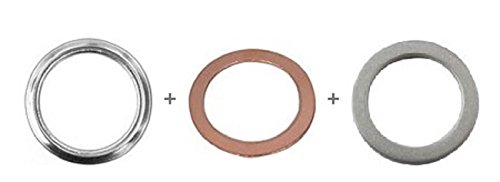
GENUINE TOYOTA GASKET KIT
Tools Required
- Wrench Set: A set of metric or standard wrenches will help remove the drain and fill plugs.
- Fluid Pump: A hand pump or squeeze bottle assists in transferring new fluid into the transfer case.
- Drain Pan: Use a pan to catch old fluid during the draining process.
- Shop Towels: Keep towels handy for spills and cleanup.
- Safety Goggles: Protect your eyes while working with fluids.
- Gloves: Wear gloves to keep your hands clean and safe from chemicals.
- Prepare Your Vehicle: Park your vehicle on level ground and engage the parking brake. Tilt the transfer case if necessary for easier access.
- Locate the Drain Plug: Find the drain plug at the bottom of the transfer case.
- Remove the Drain Plug: Using the wrench, carefully loosen and remove the drain plug. Allow the old fluid to fully drain into the pan.
- Check the Old Fluid: Inspect the old fluid for contaminants or metal shavings. This indicates potential issues with the transfer case.
- Reinstall the Drain Plug: Once drained, clean the drain plug and reinstall it securely.
- Locate the Fill Plug: Find the fill plug, usually located on the side of the transfer case.
- Add New Fluid: Use the fluid pump to fill the transfer case with new fluid. Ensure you use the recommended type specified in your vehicle’s owner manual.
- Check the Fluid Level: Add fluid until it begins to seep out of the fill hole, indicating it’s full.
- Reinstall the Fill Plug: Clean and secure the fill plug.
- Dispose of Old Fluid: Properly dispose of the old fluid at a recycling center or auto parts store.
Following these steps ensures a smooth fluid change process, contributing to your vehicle’s functionality and lifespan.
Conclusion
Taking care of your transfer case fluid is crucial for your vehicle’s health. Regularly checking and changing the fluid can save you from costly repairs down the road. By staying on top of maintenance and recognizing the signs that it’s time for a change you’ll help ensure your drivetrain runs smoothly.
Remember that a little effort now can lead to a lot of peace of mind later. So grab those tools and give your transfer case the attention it deserves. Your vehicle will thank you for it!
Frequently Asked Questions
What is transfer case fluid and why is it important?
Transfer case fluid is a specialized lubricant essential for the proper functioning of a vehicle’s drivetrain. It lubricates gears and bearings, reducing friction and wear, which helps maintain optimal performance and extends the lifespan of key components.
How do I know when to change my transfer case fluid?
Signs that indicate a need for a transfer case fluid change include difficulty shifting, unusual noises when engaging the drivetrain, and a noticeable leak under the vehicle. Additionally, if the fluid appears dark or has a burnt smell, it’s time for a change.
What tools do I need to change transfer case fluid?
To change transfer case fluid, you typically need a socket set, a fluid pump, a drain pan, and a funnel. Having a torque wrench on hand is also beneficial for properly securing the drain and fill plugs after the change.
Can I change transfer case fluid myself?
Yes, changing transfer case fluid can be done DIY if you have the right tools and follow proper steps. Just ensure you know the specific requirements for your vehicle model, including the type of fluid needed and the drain/fill plug locations.
How often should transfer case fluid be changed?
The transfer case fluid should generally be changed every 30,000 to 60,000 miles, but refer to your vehicle’s owner manual for specific recommendations. Regular checks can help prevent issues and maintain vehicle performance.
What should I do with old transfer case fluid?
Old transfer case fluid should be disposed of properly, according to local regulations. Many auto shops and service centers accept used fluids for recycling. Never pour it down the drain or on the ground to avoid environmental contamination.
