

Have you ever wondered if that protective coating you applied to your vehicle will hold up when the rain starts pouring? You’re not alone. Many car owners rely on fluid film to shield their vehicles from rust and corrosion, but the question remains: does it wash off in the rain?
Imagine driving home after a heavy downpour, only to find out that your vehicle’s protection has been compromised. It’s a frustrating scenario, and understanding how fluid film interacts with rain can save you time and money. In this article, you’ll discover how effective fluid film really is against the elements and what you can do to ensure your vehicle stays protected.
Key Takeaways
- Fluid Film Effectiveness: Fluid Film provides a strong protective barrier against corrosion and rust, maintaining its effectiveness under light to moderate rain conditions.
- Durability Factors: Environmental conditions such as temperature, humidity, and sunlight exposure significantly impact Fluid Film’s longevity and performance.
- Reapplication Importance: Regular inspections and reapplication, especially after heavy rainfall, are essential for ensuring continued protection.
- Proper Application Techniques: Thoroughly clean and dry surfaces before applying Fluid Film, and use an even application technique to enhance adhesion and effectiveness.
- Maintenance Best Practices: Regular visual checks for wear, along with careful cleaning and touch-ups, help maintain the protective qualities of Fluid Film over time.
- Combining Products: Using Fluid Film alongside other protective measures can enhance overall vehicle protection against rust and moisture.
Overview Of Fluid Film
Fluid Film is a protective coating designed to shield vehicles from corrosion and rust. Made from a lanolin base, it’s particularly effective at clinging to surfaces and forming a barrier against moisture. This property makes it a popular choice among car owners looking to preserve their vehicles, especially in environments prone to exposure to salt, water, and other corrosive elements.
Core Benefits
- Corrosion Resistance: Fluid Film creates a protective layer that prevents moisture from reaching metal surfaces.
- Longevity: This coating lasts longer than many conventional waxes or sprays, reducing the frequency of reapplication.
- Versatility: Fluid Film can be used on various surfaces, including undercarriages, engines, and even electrical components.
Characteristics Under Rain
Fluid Film’s adherence to surfaces often withstands light rain and occasional downpours without significant loss of effectiveness. It resists being washed away, forming a durable layer that protects against corrosive elements. However, prolonged exposure to heavy rain might gradually diminish its protective qualities.
Practical Considerations
- Reapplication: If you live in an area with heavy rainfall, consider reapplying Fluid Film once or twice a year to maintain optimal protection.
- Application Technique: Use a spray applicator to cover hard-to-reach areas thoroughly. Avoid applying Fluid Film during rainy weather to ensure proper adhesion.
- Inspection: Regularly inspect protected areas for any signs of wear. This proactive step helps you catch any potential vulnerabilities early.
Handling Rain Impact
To ensure maximum protection from the rain, follow these tips:
- Avoid Water Exposure: If possible, park the vehicle in a garage or utilize car covers during heavy storms.
- Regular Maintenance: Clean areas coated with Fluid Film periodically. Removing contaminants can help maintain its effectiveness against moisture.
- Combine with Other Products: Use alongside other protective measures, such as wax or sealants, to enhance overall vehicle protection.
Understanding Fluid Film’s properties and how to maintain its effectiveness will help you guard your vehicle against the challenges posed by rain and moisture.
How Fluid Film Works
Fluid Film provides effective protection against corrosion due to its unique properties. Understanding its mechanisms adds clarity to how it withstands rain and keeps your vehicle safe.
Protection Mechanism
Fluid Film acts as a barrier between metal surfaces and moisture. Its strong adhesion helps it cling to surfaces, even in challenging conditions. When rain hits, Fluid Film doesn’t wash away easily. Instead, it forms a protective layer that prevents rust from forming. This layer allows for some degree of moisture migration, enabling evaporation of trapped moisture beneath the surface. However, heavy and prolonged rain can gradually reduce its effectiveness. Regular inspections are crucial to maintain its protective qualities.
Application Process
Applying Fluid Film correctly ensures maximum protection. Follow these steps for effective application:
- Preparation: Clean the surface thoroughly to remove dirt, oil, and existing rust. Use a brush or pressure washer for best results.
- Dry the Surface: Ensure the area is completely dry to allow proper adhesion.
- Spray Application: Use an aerosol can or spray gun to apply Fluid Film. Aim for an even coat, avoiding heavy pooling.
- Work in Sections: Apply in small sections to ensure complete coverage, paying attention to hard-to-reach areas.
- Cure Time: Allow Fluid Film to cure undisturbed for at least 24 hours. This ensures maximum bonding.
- Regular Checks: Inspect the application every few months. Reapply as necessary, especially after heavy rain or winter exposure.
By following these steps, you enhance the longevity of Fluid Film’s protective effects against rain and moisture.
Factors That Influence Fluid Film Durability
Understanding the factors that influence Fluid Film’s durability can help you maximize its effectiveness in protecting your vehicle. Key elements include environmental conditions and surface preparation.
Recommended Products

Rust and Corrosion Prevention
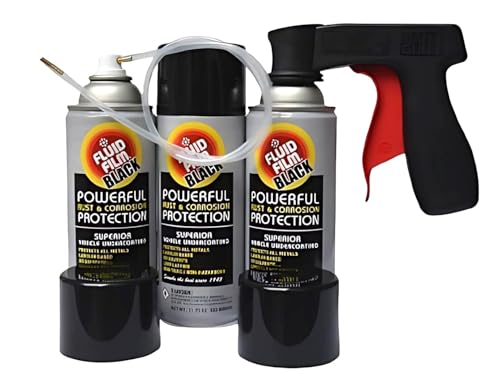
Fluid Film Premium Kit - The Fluid Film Kit features 11.75 oz. Spray 3 bottles, a spray can extension wand, and the Can-Gun1 Premium Can Tool Aerosol Spray for superior control and ease of use.

Fluid Film Premium Kit - The Fluid Film Kit features 11.75 oz. Spray 6 bottles, a spray can extension wand, and the Can-Gun1 Premium Can Tool Aerosol Spray for superior control and ease of use.
Environmental Conditions
Environmental factors play a significant role in the longevity of Fluid Film. Temperature, humidity, and exposure to sunlight can affect its performance.
- Temperature: Fluid Film functions best at moderate temperatures. Extreme heat can cause it to evaporate, while extreme cold can make it less effective.
- Humidity: High humidity may lead to quicker wear, while dry conditions can enhance its adherence to surfaces.
- Sunlight: Prolonged exposure to UV rays can degrade the film, leading to a breakdown of protection.
Consider applying Fluid Film in more stable weather conditions to ensure optimal bonding and durability.
Surface Preparation
Proper surface preparation is crucial for achieving the best results with Fluid Film.
- Cleaning: Ensure the surface is clean from dirt, rust, and old coatings. This allows for better adhesion.
- Drying: Allow the surface to dry completely before application. Moisture can prevent the film from adhering effectively.
- Conditioning: If the surface is porous, consider using a primer to enhance the bond with the Fluid Film.
Investing time in preparation significantly boosts Fluid Film’s ability to withstand environmental conditions and maintain its protective qualities.
Does Fluid Film Wash Off In The Rain?
Understanding how Fluid Film interacts with rain is essential for effective vehicle protection. Fluid Film maintains its protective properties under various weather conditions, but certain scenarios influence its performance.
Recommended Products

STOPS RUST & PROTECTS METAL ON THE SPOT. THIS NOT A OIL. IT A WOOL WAX FORMULA

Long-lasting lanolin based protection: Creates a durable barrier that prevents corrosion, stops rust and penetrates deep into metal, paint and plastics without drying out

Fluid Film Premium Kit - The Fluid Film Kit features 11.75 oz. spray bottles (3 Pack), a spray can extension wand, and the Can-Gun1 Premium Can Tool Aerosol Spray for superior control and ease of use.
Testing Scenarios
Testing Fluid Film involves applying it under controlled conditions. Typical scenarios include:
- Light Rain Exposure: Fluid Film withstands light rain, maintaining its protective barrier effectively.
- Moderate Rainfall: In moderate rain, the product shows good adhesion and limited wash-off, especially if properly applied.
- Heavy Downpours: Heavy rain can compromise Fluid Film’s effectiveness, leading to potential wash-off if the coating isn’t thick enough or the underlying surface wasn’t adequately prepped.
- Extended Rain Duration: Prolonged rain exposure may reduce Fluid Film’s longevity, necessitating more frequent inspections and reapplication.
Results and Findings
Experiments reveal key insights about Fluid Film’s performance:
- Adhesion: Generally, Fluid Film bonds well to metal surfaces, resisting wash-off under light to moderate rain.
- Longevity: Coatings applied correctly can last several months, depending on exposure and environmental factors.
- Surface Preparation Impact: Proper cleaning and drying of surfaces before application significantly enhance durability against rain exposure.
- Reapplication Recommendation: Regular inspections should be performed, especially after heavy rain, and reapplication is encouraged if significant wash-off is observed.
By understanding these factors, you can better strategize your vehicle’s protection against rain while maximizing the benefits of Fluid Film.
Best Practices for Maintaining Fluid Film
Maintaining Fluid Film effectively ensures maximum protection against rust and corrosion. Follow these best practices to keep your vehicle safeguarded.
Recommended Products


Provides Corrosion Control, Penetration, Metal Wetting And Water Displacement

Fluid Film Kit - Includes Fluid Film 11.75 ounce Spray Bottles-6-pack with Spray Can Extension Wand
Application Techniques
- Clean Surfaces: Before applying Fluid Film, wash and thoroughly dry all metal surfaces. This step removes dirt and contaminants, allowing for better adhesion.
- Apply Evenly: Use a spray applicator for even coverage. Aim for a consistent layer to enhance protective capabilities.
- Avoid Over-Application: Excess Fluid Film may attract dirt. A thin, even coat proves most effective.
Reapplication Schedule
- Check Annually: Inspect your vehicle once a year. Reapply Fluid Film as needed, especially if you notice wear or exposure to harsh conditions.
- After Washing: Reapply Fluid Film after washing your vehicle. Water can strip away the protective layer, so touch-ups are important.
Regular Inspections
- Conduct Visual Checks: Inspect for any areas where Fluid Film has worn off. Look for signs of rust or corrosion.
- Assess Effectiveness: If water beads off the surface, Fluid Film is still doing its job. If it doesn’t, consider reapplication.
Environmental Considerations
- Monitor Weather Exposure: After periods of heavy rain, inspect your vehicle. Moisture exposure can accelerate the wearing process, so regular checks help maintain protection.
- Adapt to Local Conditions: If your area experiences high humidity or salt exposure, more frequent inspections and reapplications may be necessary.
- Use with Other Protectants: Consider pairing Fluid Film with other rust inhibitors. This combination can provide added protection, especially in severe weather conditions.
- Follow Manufacturer’s Guidelines: Check compatibility when using multiple products. Ensure they work together effectively without compromising performance.
By following these best practices, you maintain Fluid Film’s protective qualities, ensuring your vehicle remains resilient against rain and moisture.
Conclusion
Fluid Film offers solid protection against rust and corrosion even in rainy conditions. By understanding how it works and following best practices for application and maintenance you can maximize its effectiveness. Regular inspections and timely reapplications will keep your vehicle shielded from moisture. So don’t worry too much about the rain washing it away; with the right care your Fluid Film coating can stand strong against the elements. Enjoy peace of mind knowing your vehicle’s protected and ready for whatever weather comes your way.
Frequently Asked Questions
What is Fluid Film used for?
Fluid Film is a protective coating primarily used on vehicles to prevent rust and corrosion. It forms a barrier between metal surfaces and moisture, offering long-lasting protection in various environmental conditions.
How does Fluid Film protect against rain?
Fluid Film acts as a moisture barrier that prevents water from reaching the metal surfaces of the vehicle. Its unique formulation ensures that even in heavy rain, the protective layer remains effective against rust formation.
How often should I reapply Fluid Film?
Reapplication of Fluid Film typically depends on environmental factors and wear over time. It’s recommended to inspect the coating annually and reapply as needed to maintain optimal protection against rust and corrosion.
Can I use other protectants with Fluid Film?
Yes, Fluid Film can be used in conjunction with other protective coatings. However, it’s essential to follow manufacturer guidelines and ensure compatibility to maximize protection and avoid any adverse reactions.
What factors affect Fluid Film’s durability?
Durability is influenced by environmental conditions like humidity and temperature, surface preparation before application, and maintenance practices. Regular inspections and appropriate reapplication schedules help maintain its effectiveness.
