

Ever wondered if that protective coating on your car washes away during a trip through the car wash? You’re not alone. Many car owners rely on fluid film to shield their vehicles from rust and corrosion, but there’s always a concern about how well it holds up against powerful jets of water and soap.
Picture this: you just spent time and money applying a fluid film treatment, only to drive through a car wash and question its effectiveness. This article will help you understand whether your investment is safe or if you need to take extra precautions. Let’s explore how fluid film interacts with different car wash methods and what you can do to maintain that protective layer.
Key Takeaways
- Fluid Film Effectiveness: Fluid Film acts as a protective barrier against rust and corrosion, but its durability may vary depending on the type of car wash used.
- Car Wash Types Matter: Automatic washes can wear away the Fluid Film coating, whereas touchless and hand washes are gentler and preserve its effectiveness longer.
- Regular Maintenance is Key: Regular inspections and reapplication of Fluid Film every six months can maintain optimal protection against environmental elements.
- Consider Environmental Factors: Extreme temperatures and contaminants can affect how well Fluid Film holds up, making consistent upkeep essential for long-term protection.
- Alternative Protective Coatings: Alternatives to Fluid Film include wax, grease, oil treatments, spray-on coatings, and ceramic treatments, each with unique benefits and considerations.
Overview of Fluid Film
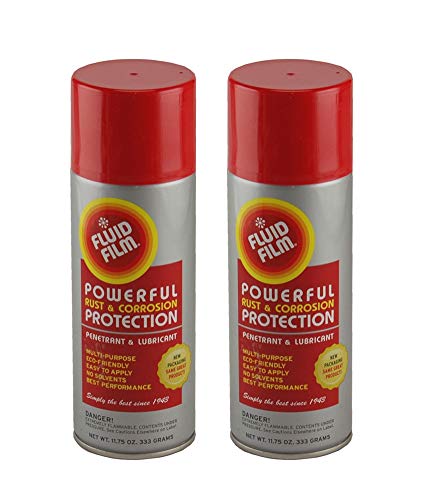
Fluid Film is a popular rust and corrosion prevention product used by many car owners. It’s a wax-like substance that forms a protective barrier against moisture and harmful elements. This product consists of a unique blend of lanolin, a natural oil, and solvents, creating a durable coating on metal surfaces.
Recommended Products

Rust and Corrosion Prevention

FLUID FILM BLACK offer powerful corrosion protection for all metals and superior lubrication for moving parts. The long lasting thixotropic liquids and gels is aptly used in the highly corrosive marine environment and vehicle undercoating in the automotive and snow handling industries

STOPS RUST & PROTECTS METAL ON THE SPOT. THIS NOT A OIL. IT A WOOL WAX FORMULA
Benefits of Fluid Film
- Rust Protection: Fluid Film acts as a shield against rust, helping to extend the lifespan of your vehicle.
- Corrosion Resistance: The coating inhibits corrosion from road salts, moisture, and other environmental factors.
- Penetration: It penetrates crevices and seams, providing comprehensive coverage.
- Non-Drying Formula: Fluid Film remains pliable, allowing it to withstand exposure to heat, cold, and moisture.
Application Methods
You can apply Fluid Film in several ways:
- Spray Application: Use an aerosol can or spray gun for even distribution.
- Brush Application: Apply with a brush for detailed areas and hard-to-reach spots.
- Dipping: Submerge smaller parts in Fluid Film for complete coverage.
- Clean Surface First: Ensure the surface is clean and dry before application to achieve the best adhesion.
- Reapply Periodically: Inspect and reapply every six months to maintain optimal protection.
- Consider Environmental Conditions: Apply in dry weather for better curing and adherence.
Understanding Fluid Film and its properties helps you make informed choices about protecting your vehicle. While it provides excellent rust resistance, you may still wonder how various car wash methods impact its effectiveness.
Importance of Car Washes
Car washes play a crucial role in maintaining your vehicle’s appearance and longevity. Regular cleaning removes dirt, salt, and debris, which can damage the paint and underlying metal over time.
Benefits of Regular Car Washes
- Prevention of Rust: Frequent washes eliminate corrosive substances like road salt and grime. Removing these materials helps protect car surfaces and extends the life of protective coatings like Fluid Film.
- Enhanced Aesthetics: Clean cars look better. Regular washing can restore shine and prevent dullness. A shiny vehicle often attracts attention and shows pride of ownership.
- Improved Safety: Clear windows and clean headlights enhance visibility. This improves overall safety during driving, especially in adverse weather.
- Value Maintenance: A well-maintained exterior preserves your car’s resale value. Regular washing contributes to a better-looking vehicle, which appeals to potential buyers.
- Harsh Chemicals: Some car washes use strong detergents that can strip protective coatings. It’s crucial to choose washes that are gentle on finishes while being effective.
- High Pressure: High-pressure washing can dislodge protective coatings or introduce water into sensitive areas. Opting for a touchless wash can mitigate this risk.
- Worn Brushes: Brush car washes may inadvertently scratch the coating. It’s best to select washes that use soft cloths instead of abrasive brushes to minimize damage.
By understanding these aspects, you can make informed decisions about car washes and their impact on protective coatings like Fluid Film. Regular maintenance ensures your vehicle remains protected and visually appealing.
Does Fluid Film Wash Off in Car Wash?
Fluid Film provides a protective barrier against rust and corrosion. However, car washes can affect its longevity and performance.
Recommended Products

RUST PREVENTIVE LUBRICANT – Auto Undercoating, 1 Gallon
STOPS RUST & PROTECTS METAL ON THE SPOT. THIS NOT A OIL. IT A WOOL WAX FORMULA

FLUID FILM BLACK offer powerful corrosion protection for all metals and superior lubrication for moving parts. The long lasting thixotropic liquids and gels is aptly used in the highly corrosive marine environment and vehicle undercoating in the automotive and snow handling industries. Includes: Fluid Film 1 Gallon Black Color
Types of Car Washes
- Automatic Car Washes
Automatic car washes use mechanical brushes and sprays to clean vehicles. While convenient, abrasive brushes can wear away at the Fluid Film coating. - Touchless Car Washes
Touchless car washes clean without physical contact. They use high-pressure jets and chemicals. This method is gentler on Fluid Film, often preserving its protective qualities longer. - Hand Washes
Hand washes offer the most control over cleaning methods and products. When using gentle soap and soft cloths, you can maintain the integrity of Fluid Film effectively.
- Fresh Application
Newly applied Fluid Film has optimal protection against wash-off. It generally withstands the first few washes well. - Older Coatings
As it ages, Fluid Film may lose some effectiveness. Older coatings may wash off more easily, particularly in harsh conditions. - Environmental Factors
Extreme temperatures, road salt, and contaminants can deteriorate the film. Regular maintenance and reapplication help maintain protection. - Washing Frequency
Frequent washing lowers the risk of buildup and corrosion. However, using the right wash type matters. Choosing gentler washing methods helps extend the life of the Fluid Film.
Alternatives to Fluid Film
If you’re looking for alternatives to Fluid Film for protecting your vehicle, several options exist that also provide rust and corrosion prevention. Here’s a breakdown of some popular choices:
Recommended Products

LONG-LASTING RUST PREVENTION SPRAY - Acts as a rust inhibitor to form a durable barrier that protects metal surfaces from moisture, salt, and rust in demanding conditions.

Easy to use spray seals and protects metal surfaces from corrosion and moisture

1. Wax
- Definition: Wax creates a protective barrier on the vehicle’s surface.
- Usage: Regular application every few months enhances shine and prevents minor rust.
- Consideration: Wax isn’t as durable as Fluid Film and may wash off more easily.
2. Grease
- Definition: Grease forms a thicker, water-resistant layer on exposed metal parts.
- Usage: Ideal for protecting undercarriage components and joints.
- Consideration: Grease attracts dirt and debris, requiring more frequent cleaning.
3. Oil Treatments
- Definition: Oil treatments penetrate and coat surfaces, offering rust protection.
- Usage: Apply annually to keep moisture at bay in vulnerable areas.
- Consideration: Oil may drip or run off, creating a mess if not applied correctly.
4. Spray-On Coatings
- Definition: These are specialized protective sprays designed for automotive use.
- Usage: Products like rust inhibitors can be sprayed onto undercarriages and frames.
- Consideration: Effectiveness varies by brand and product formulation.
5. Ceramic Coatings
- Definition: Ceramic coatings provide a long-lasting, hard shell over your car’s paint.
- Usage: Application can last up to several years with proper care.
- Consideration: Initial investment is higher, but it provides robust protection against chemicals and UV rays.
6. Undercoating
- Definition: Undercoating sprays apply a thick layer of protection to the underside of your vehicle.
- Usage: Best for newer vehicles to prevent rust formation.
- Consideration: It requires professional application to ensure complete coverage.
- Definition: Home mixtures using products like linseed oil or other rust-proofing agents.
- Usage: Offers a customizable protective solution based on your needs.
- Consideration: Performance may vary, and consistency in application is crucial.
Choosing the right alternative depends on your specific needs. Assess factors like environmental exposure, vehicle usage, and budget to select the best protective coating for your car. Each option has distinct advantages, so evaluate accordingly for optimal results.
Conclusion
Fluid Film offers great protection for your vehicle but knowing how it interacts with car washes is key. If you’re using it for rust prevention you might want to be mindful of the wash methods you choose. Regular washes are important but some techniques can strip away protective coatings more than others.
Ultimately it’s about finding the right balance between keeping your car clean and maintaining its protective layer. By considering your vehicle’s needs and the environment it faces you can make informed decisions that help keep your car looking great and lasting longer. Happy driving!
Frequently Asked Questions
What is Fluid Film and its benefits for vehicles?
Fluid Film is a protective treatment that forms a barrier against rust and corrosion on vehicles. It is known for its ability to penetrate and protect metal surfaces while displacing moisture. Regular application helps extend the life of your vehicle by preventing rust damage and maintaining its appearance.
How should Fluid Film be applied to my vehicle?
Fluid Film can be applied with a sprayer or brush, focusing on vulnerable areas like chassis, undercarriage, and exposed metal parts. It’s ideal to clean the surfaces first, ensuring they are free of dirt and moisture, then apply evenly for maximum protection.
How often should I wash my car to prevent rust?
Washing your car regularly, ideally every 1-2 weeks, is crucial for rust prevention. This helps remove contaminants like salt, dirt, and grime that can lead to corrosion. Additionally, a thorough cleaning before applying protective treatments enhances their effectiveness.
What are some alternatives to Fluid Film for rust prevention?
Alternatives include wax, grease, oil treatments, spray-on coatings, ceramic coatings, and undercoating. Each option offers varying levels of protection, application methods, and longevity. Choosing the right one depends on your vehicle’s needs, environmental exposure, and budget.
How do I choose the best protective coating for my vehicle?
Consider factors like your vehicle’s usage, local climate, and budget when selecting a protective coating. Evaluate the pros and cons of each option (e.g., Fluid Film, wax, ceramic coatings) to find the best fit for your specific maintenance needs and protection level.
