

Have you ever wondered if your car really needs coolant during the winter months? You’re not alone. Many drivers assume that cold weather means they can skip this crucial maintenance step. But ignoring coolant can lead to some serious issues down the road.
Key Takeaways
- Coolant is Essential Year-Round: Regardless of the season, maintaining proper coolant levels is critical for engine performance and to prevent overheating or freezing issues.
- Optimal Coolant Mix: A 50/50 mix of coolant and water is recommended to protect against freezing temperatures in winter and ensure effective engine temperature regulation.
- Corrosion Prevention: Coolants contain additives that help protect engine components from rust and corrosion, which can be exacerbated by winter conditions and condensation.
- Regular Maintenance is Key: Regularly check coolant levels, ideally once a month in winter, and schedule coolant system flushes every 30,000 to 50,000 miles to keep your vehicle in optimal condition.
- Signs of Low Coolant: Be alert for indications of low coolant, such as a rising temperature gauge, visible leaks, steam from the engine, or dashboard warning lights. Address these issues promptly to avoid costly repairs.
- Preparing for Winter: Before winter starts, ensure your coolant is topped off and in good condition to safeguard against frigid temperatures, preventing engine damage and breakdowns.
Overview of Coolant in Vehicles
Coolant, also known as antifreeze, plays a crucial role in your vehicle’s performance. It regulates engine temperature, ensuring it operates within an optimal range. Without sufficient coolant, engines can overheat, especially during extreme temperatures.
Functions of Coolant
- Temperature Regulation: Coolant absorbs heat produced by the engine. It then disperses this heat through the radiator, preventing overheating.
- Prevention of Freezing: In winter, coolant prevents the water in the engine from freezing. Frozen coolant can cause significant engine damage and affect performance.
- Corrosion Protection: Modern coolants contain additives that protect engine components from corrosion. This helps in maintaining the longevity of your vehicle.
Importance in Winter
In winter, it’s a common misconception that coolant isn’t needed. However, maintaining proper coolant levels is crucial. A 50/50 mix of coolant and water is optimal for protection against freezing temperatures. This ensures that the engine functions smoothly, even in colder conditions.
Regular Maintenance
- Check Levels: Regularly inspect coolant levels in the reservoir. Top off if necessary, using the right type of coolant.
- System Flush: Schedule a coolant system flush every 30,000 to 50,000 miles. This removes old coolant and contaminants, promoting a healthy system.
- Monitor Temperature Gauge: Keep an eye on your vehicle’s temperature gauge. If you notice it rising unusually, stop immediately and check the coolant levels.
Real-World Example
Consider a vehicle with low coolant levels during winter. The engine may freeze, leading to costly repairs. Maintaining proper coolant levels prevents such issues, ensuring reliable vehicle operation. Additionally, you avoid unexpected breakdowns during cold weather.
By staying informed about coolant maintenance, you protect your vehicle from winter hazards. Regular checks and correct fluid levels keep your engine healthy, enhancing your overall driving experience.
Importance of Coolant
Coolant plays a vital role in your vehicle’s performance, even during the winter months. Proper coolant levels help ensure the engine operates smoothly and efficiently in cold conditions.
Recommended Products

Contains Alugard Plus for compatibility with all ethylene glycol-based coolants in automobiles and light duty trucks
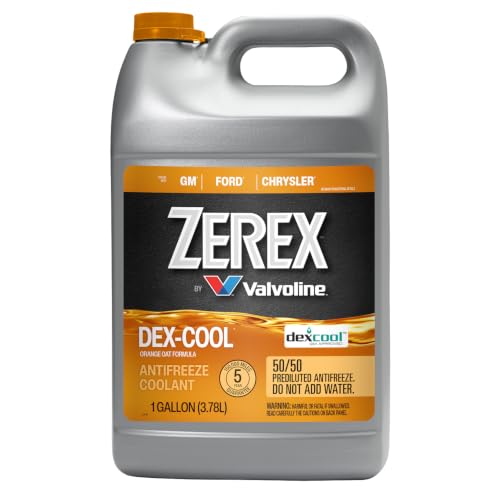
Unsurpassed freeze protection and anti-boil performance outperforms industry standards

Prevents Engine Overheating
Coolant absorbs heat produced by the engine and regulates its temperature. When outside temperatures drop, you might think there’s no risk of overheating. However, an underfilled or ineffective coolant system can cause the engine to overheat due to insufficient heat dissipation. This situation can arise during short trips or in heavy traffic. A 50/50 mix of coolant and water helps maintain optimal engine temperature, preventing overheating and damage. Always check the levels before winter starts to ensure your vehicle’s readiness.
Protects Against Corrosion
Coolant contains additives that protect the engine’s components from corrosion. The winter months can lead to condensation in the system, promoting rust and corrosion when the vehicle sits idle for extended periods. Ensuring your coolant is fresh prevents corrosion, which can lead to significant repairs down the line. Regularly scheduled system flushes help maintain the integrity of your cooling system. Consistently monitoring coolant condition contributes to a longer lifespan for engine parts and enhances overall vehicle reliability.
Does a Car Need Coolant in the Winter?
Yes, a car needs coolant in the winter. Many drivers underestimate its importance, believing that low temperatures eliminate the risk of overheating. However, coolant, or antifreeze, plays a critical role in maintaining engine health during colder months.
Recommended Products

5 year/150, 000 mile . Silicate-free, long-life, phosphate Hybrid Organic Acid Technology chemistry

1-GAL. EXTENDED LIFE PREDILUTED ANTIFREEZE/COOLANT: Engineered to support any vehicle's engine cooling system to enhance performance and optimize protection for years to come

1 GALLON ENGINE ANTIFREEZE/COOLANT: Fully compatible with other extended life antifreeze/coolants. This item contains a bittering agent called Denatonium Benzoate.
Effects of Cold Temperatures
Cold temperatures can lead to coolant freezing if levels are inadequate. When coolant freezes, it expands, potentially causing cracks in the engine block or radiator. It’s essential to use a proper 50/50 mix of coolant and water. This mixture lowers the freezing point, preventing damage even in extremely low temperatures. Keeping your coolant topped off ensures it effectively protects your engine.
Risks of Low Coolant Levels
Low coolant levels expose your engine to several risks, even in winter. If coolant runs low, overheating can occur, especially during short trips or heavy traffic. When the engine works harder, it generates heat, and without enough coolant, it can’t manage this heat effectively. Additionally, low coolant can result in corrosion and rust over time, deteriorating engine components. Regularly checking your coolant can prevent costly repairs and ensure a smooth driving experience throughout the winter months. If you notice the temperature gauge rising or leaks under the vehicle, check your coolant levels immediately.
How to Check Coolant Levels
Checking coolant levels ensures your vehicle operates efficiently in winter conditions. It’s a straightforward process that can prevent engine damage.
Recommended Products

Easily checks condition of antifreeze and coolant
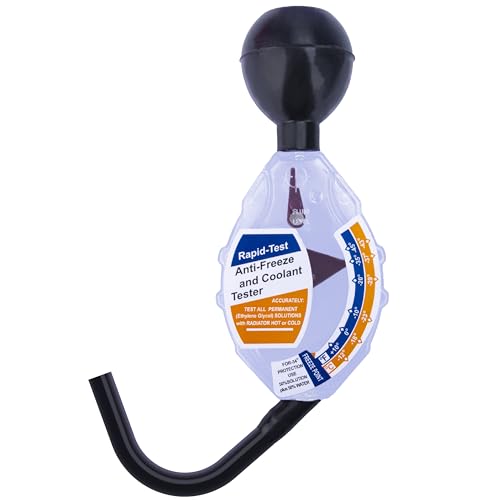
Practical Function: Designed to quickly measure the freezing and boiling points of coolant, this antifreeze tester effectively prevents engine failures caused by freezing in the winter and overheating in the summer. The transparent reservoir makes it easy to check antifreeze color and contaminants, ensuring optimal engine performance in all seasons

Can be used with all coolant colors, conventional coolant, long life, extended life, Dex Cool and Low Tox coolants
Recommended Frequency
Check your coolant levels at least once a month during winter. If you’re driving frequently or in extreme conditions, perform checks more often, ideally every two weeks. Regular inspections help catch issues before they lead to more significant problems.
Signs of Low Coolant
Recognizing signs of low coolant can save you costly repairs. Look for these indicators:
- Temperature Gauge: If the gauge reads higher than normal, coolant might be low.
- Visible Leaks: Check under your car for puddles of green, orange, or red fluid, indicating a leak.
- Steaming Engine: Steam from the engine compartment suggests overheating, often due to low coolant levels.
- Dashboard Warning Light: Some vehicles have a warning light for low coolant; heed that alert promptly.
If you notice any of these signs, check your coolant levels immediately.
Conclusion
Keeping your car’s coolant at the right level during winter is essential for its health and performance. It’s not just about preventing overheating; it’s also about protecting your engine from freezing and corrosion. Regular checks and maintenance can save you from costly repairs down the road.
So don’t overlook your coolant this winter. Make it a habit to check your levels and ensure you’re using the right mixture. By doing this, you’ll enjoy a smoother and more reliable driving experience regardless of the weather. Stay proactive and keep your vehicle in top shape for those chilly months ahead.
Frequently Asked Questions
Why is coolant important in winter months?
Coolant, or antifreeze, is essential in winter to regulate engine temperature and prevent freezing. It protects engine components from corrosion and ensures optimal performance, even in cold weather conditions.
How often should I check my coolant levels?
It’s recommended to check your coolant levels at least once a month. In extreme winter conditions, consider checking every two weeks to ensure your vehicle remains in good condition.
What is the ideal coolant mixture for winter?
The ideal coolant mixture for winter is a 50/50 blend of coolant and water. This ensures proper freezing protection and optimal engine performance under cold temperatures.
What are the signs of low coolant levels?
Signs of low coolant levels include a high temperature gauge, visible leaks, steam coming from the engine, and dashboard warning lights. Addressing these issues promptly can help prevent serious engine damage.
Can low coolant cause engine problems?
Yes, low coolant levels can lead to overheating, freezing, and corrosion of engine components. This can cause significant engine damage and potentially costly repairs if not addressed quickly.
How can I prevent coolant from freezing?
To prevent coolant from freezing, maintain a proper coolant-water mixture (50/50) and regularly check levels. Ensure your vehicle is properly maintained and consider using higher-rated antifreeze for extreme conditions.
