

Ever found yourself wondering why your 2013 Ford Explorer’s steering feels a bit off? Picture this: you’re cruising down the road, and the steering wheel just doesn’t respond as smoothly as it used to. Could it be a power steering fluid issue?
In this article, you’ll discover the importance of power steering fluid in your 2013 Ford Explorer and how it impacts your driving experience. By understanding whether your vehicle has power steering fluid and how to maintain it properly, you’ll ensure your Explorer operates at its best. Let’s dive in and unravel the mystery behind power steering fluid in your 2013 Ford Explorer.
Key Takeaways
- Power steering fluid is essential for smooth and effortless steering operation in a 2013 Ford Explorer.
- Regularly checking and maintaining the proper level and condition of power steering fluid is crucial to ensure optimal steering performance.
- Using the recommended type of power steering fluid is important to avoid potential issues in the power steering system.
- Signs of low power steering fluid include difficulty steering, unusual noises, fluid leaks, and steering wheel vibrations.
- Refilling power steering fluid in a 2013 Ford Explorer involves using the correct fluid type, locating the reservoir, refilling the fluid carefully, and testing the steering for optimal performance.
Overview of Power Steering Fluid in Vehicles
Understanding power steering fluid is crucial for maintaining your vehicle’s steering system, including a 2013 Ford Explorer. Power steering fluid plays a vital role in ensuring smooth and effortless steering operation. Here’s what you need to know about power steering fluid in vehicles:
- Power steering fluid serves as a hydraulic fluid that helps transmit power in the steering system, making it easier for you to turn the steering wheel.
- Without an adequate amount of power steering fluid, your steering may feel stiff, making it challenging to maneuver the vehicle, especially at lower speeds or when parking.
- Over time, power steering fluid can degrade due to heat and contaminants, leading to potential issues such as noise when turning the wheel, leaks, or decreased steering performance.
- Regularly checking and maintaining the proper level and condition of power steering fluid is essential to ensure the overall health of your vehicle’s steering system.
- Consult your vehicle’s owner’s manual to determine the type of power steering fluid recommended for your specific make and model, such as Dexron, Mercon, or others.
- If you notice any signs of power steering issues, such as difficulty turning the wheel or unusual noise when steering, it’s advisable to have your power steering system inspected by a qualified mechanic.
By understanding the importance of power steering fluid and its impact on your vehicle’s steering performance, you can take proactive steps to maintain and care for your 2013 Ford Explorer to ensure a safe and smooth driving experience.
Understanding the Power Steering System in 2013 Ford Explorer
To comprehend the power steering system in your 2013 Ford Explorer, it’s essential to grasp its functionality and components. The power steering system in your vehicle plays a crucial role in enhancing steering control and ease while driving.
Components of the Power Steering System
In your 2013 Ford Explorer, the power steering system comprises essential components such as the power steering pump, power steering fluid, steering gear, and hoses. Together, these components work in harmony to assist you in steering your vehicle effortlessly.
Power Steering Fluid in 2013 Ford Explorer
The power steering fluid in your 2013 Ford Explorer is a vital element that ensures smooth operation of the power steering system. It helps in reducing the effort required to steer the vehicle, especially at lower speeds or when parking.
Checking and Maintaining Power Steering Fluid
Regularly checking and maintaining the proper level and condition of the power steering fluid in your 2013 Ford Explorer is crucial. Ensure that the fluid is at the recommended level to prevent issues like stiff steering or potential leaks that could affect the performance of the power steering system.
Recommended Type of Power Steering Fluid
Refer to your owner’s manual for the recommended type of power steering fluid for your 2013 Ford Explorer. Using the right type of fluid is essential to ensure the proper functioning of the power steering system and avoid any potential issues.
Professional Inspection for Steering Issues
If you experience any steering issues such as stiffness or unusual noises while steering your 2013 Ford Explorer, it’s advisable to seek professional inspection. A qualified mechanic can diagnose the problem and address any underlying issues with the power steering system promptly.
Understanding the power steering system in your 2013 Ford Explorer is fundamental to maintaining optimal vehicle performance and ensuring a seamless driving experience. By staying informed about the components and maintenance requirements of the power steering system, you can enjoy a safe and effortless driving experience in your vehicle.
Checking Power Steering Fluid in a 2013 Ford Explorer
To ensure your 2013 Ford Explorer’s power steering system functions optimally, keep an eye on the power steering fluid. Here’s how you can check it:
- Locate the Reservoir: Pop the hood of your Ford Explorer and find the power steering fluid reservoir. It’s typically located near the front of the engine bay.
- Check the Fluid Level: With the car parked on a level surface, remove the cap of the power steering fluid reservoir. You should see level markings on the side of the reservoir. The fluid level should be within the designated range.
- Inspect the Condition: Take a moment to observe the color and consistency of the power steering fluid. It should be transparent or slightly translucent. If the fluid appears dark, gritty, or contaminated, it may be time for a change.
- Top-Up if Needed: If the fluid level is below the minimum mark, you’ll need to add power steering fluid. Use the type of fluid recommended in your owner’s manual. Be careful not to overfill.
- Professional Inspection: If you notice a significant decrease in the power steering fluid level frequently, or if the fluid looks murky or has a burnt smell, it’s best to have a professional mechanic inspect the system for any leaks or potential issues.
By regularly checking your 2013 Ford Explorer’s power steering fluid, you can ensure smooth steering performance and prevent potential problems down the road. Remember, maintaining the right level and quality of power steering fluid is key to a safe and enjoyable driving experience.
Recommended Products

【Part Number】3L3Z3A697AA 8L2Z3A006A F23Z3A006A YL8Z3A697BA F23Z-3A006-A

Motorcraft MERCON V is a premium-quality automatic transmission fluid

【Strong Sealing】This power steering reservoir cap provides a reliable seal, effectively solving common fluid leakage problems, preventing dust and debris from entering your fluid, ensuring smooth steering operation, and extending the life of your vehicle
Signs of Low Power Steering Fluid in a 2013 Ford Explorer
Noticing signs of low power steering fluid in your 2013 Ford Explorer is crucial to maintain optimal steering performance. Here are indicators that your power steering fluid may be running low:
- Difficulty Steering: If you find it hard to turn the steering wheel, especially at lower speeds, it could be a sign of low power steering fluid.
- Whining or Groaning Noises: Unusual noises coming from the steering wheel, such as a whining or groaning sound, may indicate inadequate lubrication caused by low fluid levels.
- Fluid Leaks: Check under your car for any signs of power steering fluid leaks. Low fluid levels can lead to leaks, which can further deplete the system.
- Steering Wheel Vibrations: Vibrations in the steering wheel while driving, particularly at slow speeds, can suggest a lack of hydraulic assistance due to insufficient power steering fluid.
Being aware of these signs allows you to take prompt action to address low power steering fluid in your 2013 Ford Explorer, ensuring smooth steering operation and overall vehicle safety.
Recommended Products
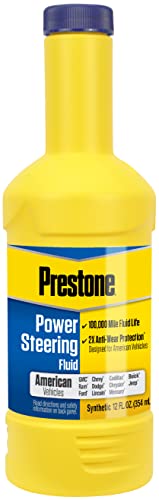
100,000 mile fluid life
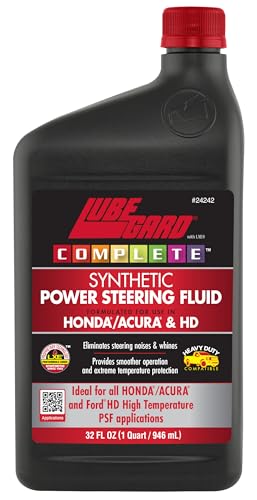
For use in all HONDA & ACURA power steering systems including 2007 & up vehicles that require a fully synthetic formula

Formulated with a blend of special oils and petroleum-extracted additives
Refilling Power Steering Fluid in a 2013 Ford Explorer
To refill the power steering fluid in your 2013 Ford Explorer, follow these simple steps for optimal steering performance:
Recommended Products

Ideal replacement - this power steering reservoir cap matches the fit, function and appearance of a damaged or missing original equipment cap

Superior quality, universal hydraulic fluid designed to mix with all hydraulic fluids in power trim and steering systems

Built for US Vehicles: Suitable for GM, Ford, Chevrolet, Cadillac, Buick, GMC, Chrysler, Dodge, Jeep, Ram, and other Stellantis passenger cars, trucks, and SUVs. For both hydraulic and electro-hydraulic power steering systems. Also works in power steering systems requiring an ATF +4 or Dexron III ATF specification fluid.
Checking the Fluid Type
Ensure you use the correct power steering fluid for your 2013 Ford Explorer. Refer to the owner’s manual for the specific type recommended by the manufacturer. Using the wrong fluid can cause damage to the power steering system.
Locating the Reservoir
Locate the power steering fluid reservoir under the hood. In the 2013 Ford Explorer, the reservoir is often situated near the engine on the driver’s side. Check the reservoir’s fluid level to determine if it needs refilling.
Refilling the Fluid
- Prepare Your Workspace: Park your Explorer on a flat surface, turn off the engine, and allow it to cool before proceeding.
- Remove the Reservoir Cap: Twist off the cap of the power steering fluid reservoir. Some vehicles may have a dipstick attached to the cap to check the fluid level.
- Add the Fluid: Slowly pour the recommended power steering fluid into the reservoir. Be cautious not to overfill; make sure the fluid level is within the designated range indicated on the reservoir.
- Check the Level: After adding the fluid, replace the cap securely. Start the engine and turn the steering wheel from left to right a few times. Check the fluid level again to ensure it is at the proper level.
- Final Inspection: Inspect around the reservoir for any leaks. If you notice any leaks, it’s essential to address them promptly to prevent further issues with the power steering system.
Testing the Steering
Take your Explorer for a short drive to test the steering. Listen for any unusual noises and assess the steering responsiveness. If everything feels smooth and there are no signs of stiffness, you’ve successfully refilled the power steering fluid.
By following these steps, you can ensure that your 2013 Ford Explorer’s power steering system functions optimally, providing you with a safe and enjoyable driving experience. Regularly checking and refilling the power steering fluid is key to maintaining smooth steering operation in your vehicle.
Conclusion
Ensuring your 2013 Ford Explorer has sufficient power steering fluid is key to a smooth driving experience. By recognizing signs of low fluid levels and following the steps to refill it properly, you can maintain optimal steering performance and vehicle safety. Regular monitoring and refilling of power steering fluid are simple yet crucial practices for keeping your power steering system in top condition. Remember, a well-maintained power steering system contributes to a safe and enjoyable driving experience.
Frequently Asked Questions
Why is power steering fluid important for a 2013 Ford Explorer?
Power steering fluid is crucial for smooth steering operation in a 2013 Ford Explorer. Low fluid levels can lead to steering difficulties and affect vehicle safety.
How can I recognize low power steering fluid in my 2013 Ford Explorer?
Signs of low power steering fluid include difficulty steering and fluid leaks. Regularly checking fluid levels is essential for optimal steering performance.
How do I refill power steering fluid in a 2013 Ford Explorer?
To refill power steering fluid, check the fluid type, locate the reservoir, refill the fluid correctly, test the steering, and inspect for leaks. Regular maintenance ensures a safe driving experience.
