

Have you ever wondered if your two-cycle engine really needs oil? You’re not alone. Many people find themselves puzzled about how to keep their small engines running smoothly, especially when it comes to oiling. Whether you’re using a chainsaw, lawnmower, or dirt bike, understanding the oil needs of your engine can save you time and money.
Neglecting oil can lead to serious damage and costly repairs, but the right information can make all the difference. This article will break down why oil is essential for two-cycle engines, how to choose the right type, and tips for maintaining your engine’s health. You’ll walk away feeling confident about keeping your equipment in top shape.
Key Takeaways
- Oil is Essential: Two-cycle engines require a mixture of fuel and oil for lubrication, which is crucial for their optimal performance and longevity.
- Impact of Insufficient Oil: Lack of adequate lubrication can lead to overheating, increased wear, and potentially severe engine damage or seizure.
- Manufacturer Specifications Matter: Always refer to your engine’s manual for the correct fuel-oil mixture ratio, which typically ranges from 32:1 to 50:1, depending on the engine’s design.
- Choosing the Right Oil: Opt for either natural or synthetic oil designed for two-cycle engines, considering the engine’s demands, such as load and temperature.
- Regular Maintenance is Key: Conduct oil checks every few weeks and be attentive to warning signs like increased smoke or rough running, signaling low oil levels.
- Proactive Care: Keeping a close eye on oil levels and quality will help maintain your engine’s performance and prevent costly repairs down the line.
Understanding 2 Cycle Engines
2 cycle engines, also known as two-stroke engines, rely on a simple design that allows them to complete a power cycle with every revolution of the crankshaft. Oil plays a critical role in the operation and longevity of these engines.
Definition and Functionality
A 2 cycle engine is a type of internal combustion engine that uses two strokes of the piston to complete one power cycle. Unlike four-stroke engines, which require four strokes to complete the same process, two-stroke engines mix fuel and oil for lubrication. This mixture fuels the engine and protects its components from wear. Additionally, these engines typically produce more power than their four-stroke counterparts due to their design and operating principles.
Common Applications
2 cycle engines find their way into numerous applications. Common examples include:
- Chainsaws: Used for cutting wood and managing landscaping.
- Lawnmowers: Popular in residential and commercial lawn care.
- Dirt Bikes: Favored for their light weight and high power output, enhancing off-road performance.
- Outboard Motors: Widely used in marine applications for smaller boats.
You can spot these engines in many everyday tools and vehicles, making understanding their operation essential for maintenance and performance.
Importance of Oil in 2 Cycle Engines
Oil plays a vital role in ensuring the optimal performance and longevity of two-cycle engines. These engines require a precise mixture of oil and fuel to function properly, making oil a key component in their design.
Recommended Products

PROTECTS AGAINST ENGINE RUST: Designed to increase reliability and longevity of engines. Special additives reduce corrosion and rust. Help keep equipment running better and longer

2 CYCLE ENGINE OIL: This 16 oz. two cycle oil mix bottle is your go-to solution for maintaining peak performance in two-cycle engines ensuring reliable lubrication and protection against wear and tear

Genuine Husqvarna replacement part.
Role of Oil in Engine Performance
Oil lubricates the internal components of the engine, reducing friction and wear. This lubrication allows parts to move smoothly, increasing efficiency and power output. The oil also helps to cool the engine by dissipating heat. For instance, in a chainsaw, the oil ensures the chain runs smoothly while preventing damage to the engine.
Consequences of Insufficient Oil
Insufficient oil in a two-cycle engine leads to serious problems. Without enough lubrication, friction increases, causing wear and tear on the internal parts. This can result in engine overheating, reduced performance, or even engine seizure. For example, a lawnmower running low on oil might start smoking, indicating severe engine damage. Regularly checking and maintaining the fuel-oil mixture is crucial to avoid these costly repairs.
How to Determine Oil Requirements
Understanding how to determine oil requirements for your two-cycle engine ensures optimal performance and longevity. Key factors include following manufacturer specifications and choosing the right type of oil.
Recommended Products


Includes (6) 6450001S Engine Oil Bottles.

Premium Genuine Stihl Mixing Oil
Manufacturer Specifications
Check your engine’s manual for specific oil requirements. Manufacturers provide essential guidelines on the proper fuel-oil mixture ratio, typically found in the specifications section. Adhere to these recommendations for best results. Some common mixture ratios include:
- 50:1 – Often recommended for most modern two-cycle engines, using 2.6 ounces of oil per gallon of gas.
- 40:1 – Common for older engines, requiring 3.2 ounces of oil per gallon of gas.
- 32:1 – Used for high-performance engines, needing 4 ounces of oil per gallon of gas.
Using the correct mixture not only maintains engine health but also prevents unnecessary damage.
Type of Oil Recommended
Select the right type of oil tailored for two-cycle engines. Two primary types exist:
- Natural Oil – Made from vegetable sources, this oil provides good lubrication but may break down faster under high loads.
- Synthetic Oil – Offers superior lubrication, better performance in extreme temperatures, and reduced emissions. It stays effective longer, often providing better protection.
Look for oils specifically labeled for two-cycle engines to ensure compatibility. Always consider extreme conditions your equipment may face, like heavy loads or high temperatures, which may require a synthetic option for added protection.
Maintenance Tips for 2 Cycle Engines
Maintaining a two-cycle engine requires consistent attention to ensure long-lasting performance. Regular inspections, oil checks, and awareness of warning signs can help keep your engine running smoothly.
Recommended Products
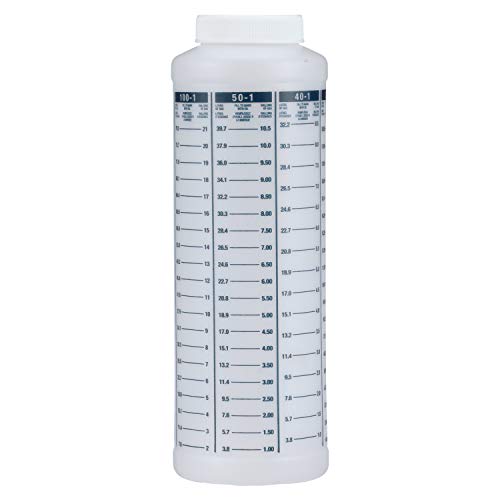
PRECISE MIXING MADE EASY: Clearly marked measurements help create accurate fuel-to-oil ratios for two-stroke engines

Essential equipment to ensure correct fuel mix. 1 Liter bottle for 2 stroke mix 50:1, 40:1, 32:1, 25:1

Value 2-Pack: Get two durable, wide-mouth mixing bottles that make 2-stroke oil measuring simple and mess-free. Each bottle holds up to 20 oz (590 ml) and features easy-read markings in ounces, milliliters, cubic centimeters, gallons, and liters—perfect for quick, accurate oil/fuel prep on the job.
Regular Oil Checks
Conduct oil checks every few weeks during regular use. Verify the fuel-oil mixture and ensure it’s correct according to the manufacturer’s specifications. Use a clear container to check the mixture, looking for a consistent ratio, typically 50:1 or 40:1, depending on your engine. Always replace the mixture if it appears cloudy or contaminated. Regular oil checks prevent internal damage and maintain peak efficiency.
Signs of Low Oil
Watch for these warning signs indicating low oil levels:
- Increased Smoke: Excess smoke from the exhaust may signal incomplete combustion due to reduced oil.
- Rough Running: If the engine runs erratically or stalls, it may indicate insufficient lubrication.
- High Engine Temperature: An unusually hot engine can suggest inadequate oil, leading to increased wear or potential seizure.
- Loss of Power: Reduced engine performance or a drop in throttle response may point to low oil levels.
Address these signs immediately by checking the oil level and replacing it as necessary to prevent further damage. This proactive approach ensures your 2 cycle engine continues to perform effectively.
Conclusion
Taking care of your two-cycle engine is crucial for its longevity and performance. Regularly checking your oil levels and ensuring you use the right oil can save you from costly repairs down the line. Remember that a well-lubricated engine runs smoother and more efficiently.
Stay attentive to any signs of low oil or unusual engine behavior. Addressing these issues promptly will keep your equipment in top shape. With a little maintenance and care, you can enjoy reliable performance from your two-cycle engine for years to come.
Frequently Asked Questions
What is the role of oil in two-cycle engines?
Oil in two-cycle engines serves as a lubricant, crucial for reducing friction between moving parts. It helps cool the engine, increases efficiency, and prevents wear, ensuring optimal performance and longevity.
How often should I check the oil level in my two-cycle engine?
It’s best to check the oil level before each use. Regular checks help ensure the proper fuel-oil mixture, preventing damage and costly repairs due to insufficient lubrication.
What are the signs of low oil levels in two-cycle engines?
Signs of low oil levels include unusual engine noises, overheating, decreased performance, and increased smoke emissions. If you notice these symptoms, check and replenish the oil immediately.
What type of oil should I use for my two-cycle engine?
Always use the oil recommended by the manufacturer. Using the right oil type ensures proper lubrication and performance, preventing potential engine damage due to incorrect oil selection.
What happens if I don’t maintain my two-cycle engine’s oil?
Neglecting oil maintenance can lead to increased wear, overheating, reduced performance, and potentially engine seizure. Regular checks and proper oil mixture are essential for maintaining engine health.
