

Have you ever wondered if you should put transmission fluid in your transfer case? You’re not alone. Many vehicle owners face this question, especially when dealing with maintenance or troubleshooting issues. It’s easy to confuse the two systems, and getting it wrong can lead to costly repairs.
Imagine you’re gearing up for a weekend adventure, but your vehicle’s performance feels off. Knowing the right fluids to use can save you time and hassle. This article will clarify whether transmission fluid belongs in the transfer case and guide you on how to keep your vehicle running smoothly. By the end, you’ll feel more confident about your vehicle’s maintenance needs.
Key Takeaways
- Understanding Transfer Cases: Transfer cases are essential for distributing power between the front and rear axles in four-wheel and all-wheel-drive vehicles, highlighting their importance in maintaining vehicle performance.
- Types of Transfer Cases: Familiarizing yourself with the various types of transfer cases, including part-time, full-time, active, chain-driven, and gear-driven, helps in selecting the appropriate maintenance procedures and fluids.
- Transmission Fluid Does Not Equal Transfer Case Fluid: Transmission fluid can sometimes be used in transfer cases, but it is not universally interchangeable. Always consult the vehicle’s owner’s manual for specific fluid recommendations.
- Maintenance Best Practices: Regularly inspecting fluid levels, changing fluids per manufacturer specifications, and monitoring for leaks or unusual performance can prevent costly repairs and ensure optimal operation of your transfer case.
- Fluid Compatibility: Using the recommended fluids and ensuring compatibility with existing fluids is crucial for preventing damage and maintaining performance.
- Professional Guidance: When in doubt about maintenance or fluid types, consulting a certified mechanic can provide valuable assistance and prevent potential issues.
Understanding Transfer Cases
A transfer case plays a crucial role in four-wheel-drive and all-wheel-drive vehicles. It manages the distribution of power from the transmission to the front and rear axles. Understanding what a transfer case is can help you maintain your vehicle’s performance.
What Is a Transfer Case?
A transfer case is a component located between the vehicle’s transmission and the axles. It transfers power to the wheels, allowing for effective four-wheel drive or all-wheel drive capabilities. Depending on the vehicle, it can also provide functions like low-range gearing for better traction in challenging conditions. The transfer case can operate in various modes, including 2WD, 4WD, and low-range, adapting to different driving scenarios.
Types of Transfer Cases
Several types of transfer cases exist, each serving specific functions:
- Part-Time Transfer Case
Part-time transfer cases allow for the selection between two-wheel drive and four-wheel drive. They operate in 2WD during regular conditions to save fuel. Engage 4WD when additional traction is necessary, such as in snow or off-road situations. - Full-Time Transfer Case
Full-time transfer cases provide power to all four wheels constantly. These transfers enhance stability and traction. Vehicles with this type of transfer case often feature a center differential, allowing for differences in wheel speed between the front and rear wheels. - Active Transfer Case
Active transfer cases use electronic sensors to monitor traction. If wheel slip occurs, the system automatically redistributes power to maintain optimal traction. This type is commonly found in modern vehicles, providing seamless transitions between 2WD and 4WD. - Chain-Driven Transfer Case
Chain-driven transfer cases use a chain to transfer power. They are less complex and often lighter than gear-driven cases. These are common in SUVs and light trucks where weight savings can enhance performance. - Gear-Driven Transfer Case
Gear-driven transfer cases use gears to distribute power. They are known for their durability and strength, making them ideal for off-road use. Though heavier than chain-driven cases, they provide robust performance under extreme conditions.
Understanding these types of transfer cases helps you identify which one is in your vehicle. This knowledge ensures you use the right fluids and perform necessary maintenance for optimal vehicle performance.
Transmission Fluid Overview
Transmission fluid plays a crucial role in your vehicle’s operation and maintenance. It’s important to understand its functions and the types available.
Recommended Products

For use in 95% of vehicles including most CVTs in operation with US registered light duty applications

For use in 95% of vehicles including most CVTs in operation with US registered light duty applications
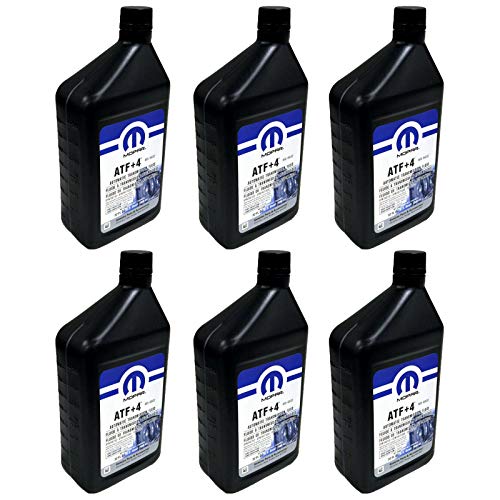
Genuine OEM Dodge/Mopar factory fit part
What Is Transmission Fluid?
Transmission fluid is a specialized lubricant that helps transfer power from the engine to the wheels. It maintains the optimal temperature, reduces friction, and protects internal components. It also serves as a hydraulic fluid, allowing for smooth gear shifts in automatic transmissions. Without proper fluid levels, transmission performance can decline, leading to potential damage.
Different Types of Transmission Fluids
Various transmission fluids cater to specific vehicle requirements. Here’s a breakdown of the primary types:
- Automatic Transmission Fluid (ATF): Commonly used in automatic transmissions, ATF provides lubrication and cooling. Different vehicles require different specifications, so always check the owner’s manual for the correct type.
- Manual Transmission Fluid (MTF): Designed for manual transmissions, MTF has different viscosity and additives than ATF. It’s essential for smooth operation and gear shifting.
- CVT Fluid: Continuously variable transmissions rely on specific CVT fluid for proper function. Using the correct CVT fluid prevents slipping and premature wear.
- Dual Clutch Transmission Fluid (DCTF): DCTF is made for dual-clutch transmissions, offering lubrication and cooling. This fluid must meet manufacturer specifications for optimal performance.
Each type of transmission fluid serves specific functions tailored to how your vehicle operates. Checking your vehicle’s requirements ensures you maintain efficiency and longevity.
The Relationship Between Transmission Fluid and Transfer Cases
Understanding the connection between transmission fluid and transfer cases is crucial for maintaining your vehicle’s performance. While both serve important roles in ensuring your vehicle operates smoothly, they are not interchangeable.
Recommended Products

Full-synthetic transfer case fluid for on-demand and full-time AWD/4x4 systems across European, Asian and US OEMs. Applications include Porsche Cayenne/Macan, BMW xDrive, Audi Quattro, Land Rover/Range Rover, Nissan, Mercedes-Benz 4MATIC (MB 239.41 Torque-on-Demand), Genesis/Kia TF-0870B (G70, G80, G90, Stinger AWD).

Specifically approved for use in GM automatic four-wheel drive vehicles with transfer cases

Meets the challenging demands of different all-wheel and four-wheel drive vehicles with multi-powered axles
Can You Use Transmission Fluid in a Transfer Case?
Using transmission fluid in a transfer case can vary depending on the model of your vehicle. Some transfer cases require specific fluids, while others allow for the use of automatic transmission fluid (ATF). Always check your owner’s manual or consult with a mechanic to determine the recommended fluid types for your vehicle’s transfer case.
Benefits and Drawbacks of Using Transmission Fluid
Benefits:
- Convenience: If your vehicle allows it, using ATF can simplify fluid maintenance. It’s readily available and often easier to find than specialized transfer case fluids.
- Temperature Regulation: ATF helps maintain operational temperatures and protects internal components, similar to its function in a transmission.
- Compatibility Issues: Not all transfer cases are designed for ATF. Using the wrong fluid can lead to premature wear, overheating, or even damage to the transfer case.
- Performance Limitations: Some transfer cases may perform suboptimally with ATF compared to fluids designed specifically for them. This can impact four-wheel-drive or all-wheel-drive functionality.
Always prioritize using the fluid specified for your vehicle’s system to ensure optimal performance and longevity.
Best Practices for Maintenance
Proper maintenance of your transfer case enhances vehicle reliability and longevity. Regular checks prevent issues and ensure optimal performance.
Recommended Products


Genuine OEM Factory Part in Original Retail Packaging

HANDY DESIGN - Plunger pump design screws in and locks down for storage. A third hand adapter secures the fill tube while pumping, offering convenience and ease of use.
How to Maintain Your Transfer Case
- Inspect Fluid Levels Regularly: Check the transfer case fluid level every few months. Use the manufacturer’s recommended intervals.
- Change Fluid as Needed: Replace the fluid based on your vehicle’s specifications, typically every 30,000 to 50,000 miles, or if the fluid appears dirty or discolored.
- Look for Leaks: Check for fluid leaks under your vehicle. Address any leaks promptly to prevent damage to the transfer case.
- Monitor Performance: Pay attention to shifts and noises while driving. Unusual sounds or performance issues indicate potential transfer case problems.
- Consult a Professional: If uncertain about maintenance procedures, consult a certified mechanic for guidance.
- Use Recommended Fluids: Always use fluids specified in your owner’s manual. Each transfer case has a unique fluid requirement for optimal performance.
- Consider Fluid Type: Different types of fluids, such as ATF or gear oil, serve different transfer cases. Familiarize yourself with your specific vehicle’s requirements.
- Check Compatibility: Ensure that any fluid you add is compatible with existing fluid. Mixing fluids can lead to performance issues and damage.
- Store Fluids Correctly: Keep any spare fluids in a cool, dry area. Proper storage helps maintain fluid integrity.
- Dispose of Old Fluids Properly: When changing fluids, dispose of them at designated recycling centers to protect the environment.
Adhering to these practices ensures your transfer case operates efficiently, prolonging its life and maintaining vehicle performance.
Conclusion
Taking care of your transfer case is essential for keeping your vehicle running smoothly. Understanding the role of transmission fluid and its interaction with your transfer case can make a big difference in performance. Always check for compatibility and follow the recommended maintenance practices to avoid any issues down the road.
By staying on top of fluid levels and changes you can ensure your transfer case operates efficiently for years to come. So keep an eye on those fluids and enjoy the ride knowing you’re doing right by your vehicle.
Frequently Asked Questions
What fluids are used in transfer cases for four-wheel-drive vehicles?
Transfer cases typically use specific fluids, often designated as transfer case fluid or compatible automatic transmission fluid (ATF). It’s crucial to check the vehicle’s manual for the recommended type, as different transfer case designs may require different fluids to ensure optimal performance and lubrication.
How does transmission fluid affect transfer case operation?
Transmission fluid plays a vital role in transfer case operation by facilitating power transfer between the engine and differentials. It helps maintain proper temperatures, reduces friction, and protects internal components, ensuring smooth operation and longevity of the transfer case.
Can I use regular transmission fluid in my transfer case?
You can use regular transmission fluid if it’s specified as compatible in your vehicle’s manual. However, using the correct type of fluid is essential to avoid potential issues like overheating or improper shifting. Always verify compatibility before use.
What are the signs of low transfer case fluid?
Signs of low transfer case fluid include unusual noises while driving, difficulty shifting gears, or the vehicle not engaging properly in four-wheel-drive mode. If you notice these symptoms, check the fluid level immediately to prevent further damage.
How often should I change the transfer case fluid?
Most experts recommend changing the transfer case fluid every 30,000 to 60,000 miles, but this can vary based on vehicle make and model. Always consult your owner’s manual for specific maintenance intervals to ensure optimal performance.
