

Have you ever wondered if your vehicle’s transfer case fluid needs a change? If you’ve been feeling your car’s performance slipping or noticed unusual noises, it might be time to take a closer look. Many drivers overlook this vital fluid, but keeping it fresh can make a big difference in your vehicle’s health.
In this article, you’ll discover the signs that indicate your transfer case fluid needs changing and why it’s essential for your car’s longevity. Understanding this simple maintenance task can save you from costly repairs down the road. Let’s explore how you can keep your vehicle running smoothly and efficiently.
Key Takeaways
- Transfer Case Functionality: The transfer case is crucial for 4WD and AWD vehicles, distributing power to manage traction effectively across all four wheels.
- Importance of Fluid Maintenance: Transfer case fluid lubricates components, helps maintain temperature, and ensures smooth gear shifting; neglecting it can lead to significant vehicle issues.
- Signs of Fluid Problems: Unusual noises like grinding or clunking and difficulty in shifting gears are key indicators that your transfer case fluid needs changing.
- Recommended Change Frequency: Generally, transfer case fluid should be changed every 30,000 to 50,000 miles, but always check your owner’s manual for specific manufacturer guidelines.
- Factors Influencing Change Frequency: Driving conditions, vehicle type, fluid condition, and usage can affect how often you need to change the transfer case fluid.
- Long-Term Benefits: Regular fluid changes not only enhance performance but also extend the lifespan of your vehicle’s transfer case, preventing costly repairs and ensuring reliable operation.
Understanding Transfer Cases
A transfer case is vital for vehicles with four-wheel drive (4WD) or all-wheel drive (AWD) systems. It distributes power from the engine to the front and rear axles, allowing your vehicle to navigate off-road conditions efficiently and effectively.
What Is a Transfer Case?
A transfer case is a gearbox that takes power from the transmission and directs it to the wheels. It can enhance traction by sending power to all four wheels or selectively to certain wheels based on conditions. Most transfer cases have a low-range gear option for better torque and control in challenging terrains, such as mud or steep inclines. Regular maintenance of the transfer case ensures smooth operation and prolongs its lifespan.
Importance of Transfer Case Fluid
Transfer case fluid lubricates the internal components and prevents wear. It acts as a coolant, helps maintain optimal operating temperatures, and provides seamless shifting between gears. Over time, fluid degrades and becomes contaminated, leading to potential issues. Signs indicating fluid problems include unusual noises, difficulty shifting, or illuminated warning lights on your dashboard. Regularly checking and changing this fluid keeps your transfer case functioning effectively, reducing the risk of costly repairs or breakdowns.
Signs You Need a Transfer Case Fluid Change
Recognizing the signs of transfer case fluid issues helps maintain your vehicle’s performance. Watch for these indicators:
Recommended Products

【Multiple Applications】This transmission fluid pump fits standard quart bottles come with 28mm bottle cap,with an 8cc per pump stroke capacity,Suitable for dozens of uses including oil changes,siphoning gasoline,and transferring a wide range of fluids such as engine oil, biodiesel, kerosene, or shampoo,detergent.

Efficient Pumping: This fluid transfer pump comes with two different height suction tubes for quart bottles of different heights, making it easy to reach the bottom of the bottle. Easily control the amount of fluid pumped out without worrying about overfilling, making oil change operations easier on boats and vehicles.
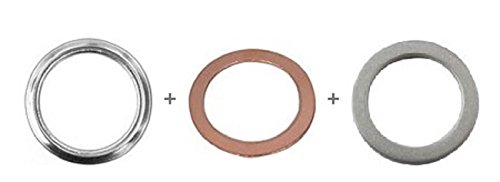
GENUINE TOYOTA GASKET KIT
Unusual Noises
Unusual noises from your vehicle can signal transfer case fluid problems. Listen for grinding, whining, or clunking sounds when shifting gears or driving. These noises may indicate inadequate lubrication or internal damage. If you notice any of these sounds, it’s time to check and possibly change the transfer case fluid.
Difficulty in Shifting Gears
Difficulty in shifting gears is another crucial sign. If you experience resistance or hesitation when changing gears, your transfer case fluid might be low or dirty. This can lead to erratic shifting and potential damage to the transmission. If gear changes feel rough or hesitant, investigate the fluid situation promptly to prevent further issues.
How Often Should You Change Transfer Case Fluid?
Changing transfer case fluid is key for maintaining your vehicle’s performance. Frequency depends on several factors, but general guidelines exist.
Recommended Products

Meets the challenging demands of different all-wheel and four-wheel drive vehicles with multi-powered axles

Ideal for use in RV floor heating systems as well as solar, hydronic and HVAC units

BUILT FOR DEMANDING FLUID SERVICE: Professional maintenance requires tools that can handle repeated use. FOUR UNCLES 500cc Fluid Transfer Syringe combines large capacity with a durable aluminum handle to provide reliable control during demanding fluid transfer jobs.
Manufacturer Recommendations
Check your vehicle’s owner’s manual for specific recommendations. Most manufacturers suggest changing transfer case fluid every 30,000 to 50,000 miles. Some newer models may have longer intervals, so it’s crucial to follow the guidelines set by the manufacturer. Ignoring these recommendations can lead to unnecessary wear and tear.
Factors Affecting Fluid Change Frequency
Several factors influence how often you change transfer case fluid:
- Driving Conditions: Frequent driving in harsh conditions, like off-roading or towing, can break down fluid faster. If you regularly drive in these conditions, consider changing the fluid more often.
- Type of Vehicle: 4WD and AWD vehicles experience greater stress on the transfer case. This type of vehicle often requires more frequent fluid changes compared to standard vehicles.
- Fluid Condition: Monitor your transfer case fluid color and smell. Dark or burnt-smelling fluid indicates it’s time for a change.
- Usage: If you use your vehicle primarily for towing or heavy loads, you should inspect the fluid more frequently.
Staying aware of these factors ensures your transfer case operates smoothly, preventing costly repairs down the road.
Benefits of Regular Fluid Changes
Regularly changing your transfer case fluid enhances your vehicle’s performance and longevity. Maintaining clean fluid ensures optimal gear operation and prevents potential damage.
Recommended Products

[High-quality Materials] The lower gear oil pump is made of high-quality materials, which is durable and ensures fast and precise refilling of lubricating oil for the lower device of the marine engine, and is easy to use.

Compatible With Toyota Lexus Scion Transfer Case And Differential Service Transfer & Differential Service Gasket Kit

Specifically approved for use in GM automatic four-wheel drive vehicles with transfer cases
Improved Vehicle Performance
Maintaining fresh transfer case fluid keeps your vehicle operating at its best. Clean fluid lubricates gears effectively, reducing friction and preventing overheating. You notice smoother gear shifting and a more responsive driving experience. When the fluid is contaminated, it can lead to sluggish response times and increased noise. Regular fluid changes minimize these issues, enhancing your overall driving comfort.
Extended Lifespan of Transfer Case
Changing your transfer case fluid regularly contributes to the long-term health of the transfer case. Fresh fluid prevents the buildup of debris and contaminants that can wear down components. You’ll find that this simple maintenance task helps avoid expensive repairs or premature replacements. Keeping the transfer case in good working order increases its lifespan, providing you with reliable service for years. Regular maintenance, such as fluid changes, ensures your vehicle remains trustworthy and efficient.
Conclusion
Taking care of your transfer case fluid is essential for keeping your vehicle running smoothly. By staying on top of fluid changes you can avoid costly repairs and ensure your 4WD or AWD system performs at its best. Pay attention to any signs of trouble and follow the recommended intervals for fluid changes based on your vehicle’s needs.
With a little proactive maintenance you’ll enjoy a smoother ride and extend the life of your transfer case. So keep an eye on that fluid and drive with confidence knowing you’re doing your part to protect your vehicle.
Frequently Asked Questions
What is transfer case fluid and why is it important?
Transfer case fluid lubricates the transfer case in 4WD and AWD vehicles. It prevents wear, maintains optimal operating temperatures, and ensures smooth gear shifting. Regular maintenance of this fluid is crucial for the performance and longevity of the vehicle.
How often should I change my transfer case fluid?
It’s generally recommended to change transfer case fluid every 30,000 to 50,000 miles. However, some newer models may have longer intervals. Always refer to your vehicle’s owner manual for specific guidelines.
What are the signs of transfer case fluid issues?
Common signs of transfer case fluid issues include unusual noises during operation, difficulty shifting gears, or a warning light on your dashboard. Addressing these symptoms early can prevent more severe damage.
What factors affect transfer case fluid change frequency?
Factors include driving conditions (e.g., off-road), vehicle type, driving habits, and the condition of the fluid itself. Monitoring these elements helps determine the appropriate intervals for fluid changes.
How does changing transfer case fluid improve vehicle performance?
Regularly changing transfer case fluid reduces friction, prevents overheating, and ensures smoother gear shifting. This maintenance task enhances overall vehicle performance and contributes to the longevity of the transfer case.
Can neglecting transfer case fluid lead to costly repairs?
Yes, failing to maintain transfer case fluid can result in excessive wear and potential failure of the transfer case, leading to costly repairs or even complete replacement. Regular fluid changes can help avoid these issues.
Is it possible to change transfer case fluid myself?
Changing transfer case fluid can be a DIY task if you’re familiar with vehicle maintenance. However, if you’re unsure, it’s best to have a professional perform the service to ensure it’s done correctly.
