

Have you ever wondered if changing your transfer case means losing transmission fluid? You’re not alone. Many vehicle owners face this question when tackling maintenance tasks, and it can be confusing to know what to expect.
Key Takeaways
- Understanding the Transfer Case: It plays a crucial role in distributing power between axles in four-wheel and all-wheel-drive vehicles, with part-time and full-time types serving different needs.
- Fluid Dynamics: Changing a transfer case typically involves minimal transmission fluid loss; however, residual fluid may spill out, particularly if the transfer case shares a reservoir with the transmission.
- Myths Debunked: It’s a common misconception that changing a transfer case results in significant transmission fluid loss. In reality, most loss comes from the transfer case itself, not the entire transmission.
- Signs of Insufficient Fluid: Watch for symptoms like slipping gears, unusual noises, overheating, or visible fluid leaks, which indicate low transmission fluid levels.
- Maintenance Best Practices: Regularly check transmission fluid levels, conduct scheduled fluid changes, and address leaks promptly to ensure optimal vehicle performance and longevity.
- Preventive Measures: Implementing smooth driving habits and using recommended fluids can further reduce the risk of transmission fluid loss during maintenance activities.
Understanding Transfer Case Function
A transfer case manages power distribution between the front and rear axles in four-wheel and all-wheel-drive vehicles. It plays a vital role in vehicle performance, especially in off-road and slippery conditions.
What Is a Transfer Case?
A transfer case is a part of a vehicle’s drivetrain. It receives power from the transmission and distributes it to the front and rear drive shafts. Transfer cases come in two types:
- Part-time: Engages the front axle only when needed.
- Full-time: Constantly powers both axles.
For instance, a part-time transfer case may be used in a truck mainly driven on highways, while a full-time case suits vehicles frequently driven in challenging terrains.
Importance of Transmission Fluid
Transmission fluid lubricates components within the transmission and transfer case. This fluid performs several essential functions:
- Cooling: Helps manage heat generated in the transmission.
- Lubrication: Reduces friction among moving parts, prolonging their lifespan.
- Hydraulic Function: Transmits hydraulic pressure to facilitate gear shifting.
Maintaining proper levels of transmission fluid ensures your vehicle operates smoothly. If fluid levels drop due to a transfer case change, it can lead to transmission problems, including slipping or overheating, affecting overall performance.
The Transfer Case Replacement Process
Changing a transfer case involves several crucial steps. Below, you’ll find a clear breakdown of the process.
Recommended Products

【Multiple Applications】This transmission fluid pump fits standard quart bottles come with 28mm bottle cap,with an 8cc per pump stroke capacity,Suitable for dozens of uses including oil changes,siphoning gasoline,and transferring a wide range of fluids such as engine oil, biodiesel, kerosene, or shampoo,detergent.


Meets the challenging demands of different all-wheel and four-wheel drive vehicles with multi-powered axles
Steps Involved in Changing a Transfer Case
- Raise the Vehicle: Use a jack and jack stands to elevate the vehicle securely. Ensure it’s stable before proceeding.
- Drain the Fluid: Place a drain pan underneath the transfer case. Remove the drain plug and allow the fluid to fully drain. This prevents spills during removal.
- Remove the Driveshafts: Disconnect the front and rear driveshafts from the transfer case. Mark them for reinstallation to maintain alignment.
- Unbolt the Transfer Case: Locate and remove the mounting bolts securing the transfer case. Support the case with a transmission jack or another tool to prevent it from falling.
- Detach the Transfer Case: Carefully slide the transfer case off the input shaft and lower it down. Take care not to damage surrounding components.
- Install the New Transfer Case: Align the new transfer case with the input shaft and slide it into place. Secure it with the mounting bolts you removed earlier.
- Reconnect Driveshafts: Reattach the front and rear driveshafts, ensuring they align with the marks you made.
- Refill with Fluid: Replace the drain plug and refill the transfer case with the recommended fluid. Check the manufacturer’s specifications for the correct type and amount.
- Test the Vehicle: Start the vehicle and check for leaks. Engage the transfer case to ensure smooth operation.
- Jack and Jack Stands: Essential for lifting the vehicle safely.
- Drain Pan: Captures old transfer case fluid during the removal process.
- Socket Set: Needed for removing bolts and other fasteners.
- Wrench Set: Assists in loosening difficult connections.
- Transmission Jack: Provides support for the transfer case during removal and installation.
- Torque Wrench: Ensures bolts are tightened to the correct specifications.
- Fluids: Keep the appropriate transfer case fluid handy for replenishment.
Utilizing these tools and following these steps will streamline your transfer case replacement process.
Do You Lose Transmission Fluid When Changing a Transfer Case?
Changing a transfer case typically doesn’t require losing transmission fluid, but it can vary based on vehicle design and circumstances. It’s essential to understand the fluid dynamics involved.
Recommended Products

Easy Fluid Transfer: This Performance Tool W4084 Flexible Spout features an easy to use on/off valve to control the flow of fluid without spills.

Heavy duty, flexible construction

[QUALITY]: Oil drip tray is constructed of high quality, recyclable polythene plastic that is resistant to corrosion so your oil pan will remain durable for carrying oil, gasoline, and antifreeze.
Explanation of Fluid Dynamics
You’ll notice that fluid levels can change during the process of changing a transfer case. When you remove the old transfer case, some residual fluid might spill out. Additionally, if the transfer case shares a reservoir with the transmission, the fluid could flow from the transmission as well.
To minimize fluid loss, take these steps:
- Secure the Vehicle: Raise the vehicle and ensure it’s on stable ground.
- Drain Fluid: Always drain the transfer case fluid before removal. Use a pan to catch any spilled fluid.
- Check Seals: Inspect all seals and gaskets for leaks during the transfer case install. Leaks can lead to fluid loss.
Common Myths and Misconceptions
You might hear that changing a transfer case automatically leads to significant transmission fluid loss. This belief often stems from a lack of understanding of the mechanics involved.
Here are some common myths:
- Myth: You’ll Lose All Transmission Fluid
Fact: You mostly lose only the fluid contained in the transfer case itself. - Myth: Transfer Case Fluid and Transmission Fluid Are the Same
Fact: Transfer case fluid differs in composition and function from transmission fluid. - Myth: Changing a Transfer Case Requires Draining the Transmission
Fact: Unless there’s a shared reservoir, you generally won’t need to drain the entire transmission.
Understanding these dynamics helps ensure a smooth transfer case replacement without unnecessary fluid loss.
Impact of Fluid Loss on Vehicle Performance
Losing transmission fluid during a transfer case change can significantly impact your vehicle’s performance. Understanding short-term and long-term effects ensures you maintain optimal operation.
Short-Term and Long-Term Effects
Short-term, insufficient transmission fluid can lead to immediate transmission failure. Without adequate lubrication, gears may grind, and components can overheat. This condition can affect your ability to shift gears and may cause slipping.
Long-term, low fluid levels result in severe wear on transmission parts. Over time, you could face costly repairs or the necessity for a complete transmission replacement. Keeping a close eye on fluid levels post-transfer case replacement prevents these issues.
Signs of Insufficient Transmission Fluid
Watch for these common signs if you suspect low transmission fluid:
- Slipping Gears: If your vehicle struggles to stay in gear, low fluid could be the cause.
- Unusual Noises: Grinding or whining noises often indicate internal damage due to lack of lubrication.
- Overheating: An overheating transmission signals insufficient fluid to cool and lubricate parts.
- Fluid Leaks: Spotting fluid under your vehicle can indicate a leak, leading to loss of transmission fluid.
Addressing any of these signs swiftly protects your vehicle’s performance and extends its lifespan.
Best Practices for Maintenance
Maintaining your transfer case and transmission fluid levels ensures optimal vehicle performance. Regular attention prevents potential issues and prolongs the life of your system.
Recommended Products

EASY TO READ :Clear marks on the metal tip promise easy-to-read oil levels.
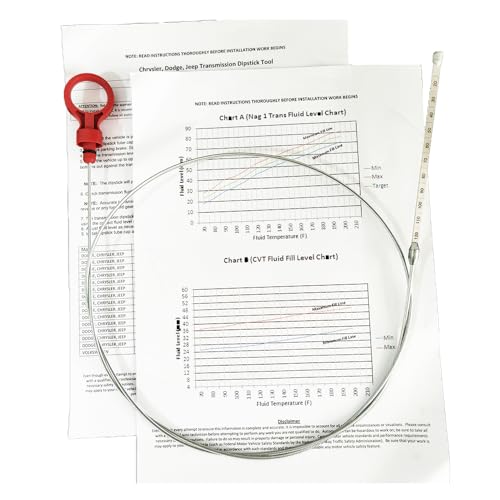
Replacement Part #: 8863B, 9336, 9336A, 917-327 42RLE, NAG1, 45RFE, 62TE.

PROFESSIONAL TRANSMISSION FLUID PUMP: Our transmission fluid pump kit is a set of tools designed to help transfer transmission fluid efficiently during maintenance or repair procedures. It typically includes a hand-operated pump, hoses, 13pcs ATF adapters, rotate control handle and instructions for proper usage
Regular Check-ups and Fluid Levels
Conduct regular check-ups on your transmission fluid. Check the fluid level at least every few months or before any long trips. Here’s how:
- Park Your Vehicle: Ensure your vehicle is on a level surface to get accurate readings.
- Locate the Dipstick: Identify the transmission dipstick under the hood. If your vehicle lacks one, consult the owner’s manual for alternative checks.
- Pull the Dipstick: Remove the dipstick and wipe it clean with a lint-free cloth.
- Reinsert and Check: Insert the dipstick back, remove it, and inspect the fluid level against the markers.
- Add Fluid When Necessary: If levels are low, add the recommended transmission fluid gradually. Avoid overfilling.
Regularly checking the transmission fluid helps catch leaks early, saving you from costly repairs, and ensuring smooth gear shifting.
Tips for Preventative Maintenance
Implement these preventative maintenance tips to keep your transfer case and transmission in top shape:
- Change Fluid Regularly: Change the transmission fluid every 30,000 to 60,000 miles, or as specified in your owner’s manual.
- Inspect for Leaks: Frequently examine the ground underneath your vehicle for signs of fluid leaks. Address any signs of leakage immediately.
- Drive Smoothly: Apply steady pressure when accelerating and decelerating, avoiding sudden stops or rapid starts.
- Use Quality Products: Always use manufacturer-recommended transmission fluids and additives to maintain compatibility and performance.
- Monitor Temperature: Take note of the temperature gauge. High transmission temperatures can lead to fluid breakdown, so avoid strenuous driving in extreme heat.
By following these best practices, you safeguard against transmission fluid loss during maintenance and enhance your vehicle’s reliability.
Conclusion
Changing a transfer case doesn’t have to lead to transmission fluid loss if you stay vigilant. By keeping an eye on your fluid levels and addressing any signs of trouble early on you can maintain your vehicle’s performance. Regular maintenance and careful monitoring not only protect your transmission but also extend the life of your vehicle. Remember to use quality products and drive smoothly to ensure everything runs as it should. Taking these steps will help you enjoy a reliable ride for years to come.
Frequently Asked Questions
What is the role of a transfer case in a vehicle?
The transfer case is a crucial component that distributes power from the transmission to all wheels in four-wheel and all-wheel drive vehicles. It helps manage traction and enhances vehicle performance in various driving conditions.
Why is transmission fluid important during a transfer case change?
Transmission fluid lubricates moving parts within the transfer case and helps manage heat. Maintaining proper fluid levels during a transfer case change is essential to prevent overheating and damage to the transmission.
What are the signs of low transmission fluid?
Common signs of low transmission fluid include slipping gears, unusual noises, overheating, and visible fluid leaks. Addressing these issues promptly is vital to avoid further damage to your vehicle’s transmission.
How often should I check my transmission fluid levels?
It’s advisable to check your transmission fluid levels at least once a month, especially before long trips. Regular checks help detect leaks early and ensure optimal performance and longevity of your transmission.
What tools do I need to change a transfer case?
To change a transfer case, you typically need a socket set, wrenches, a torque wrench, a fluid pump, and a catch pan for old fluid. Having the right tools ensures a smoother and more efficient process.
How does fluid loss affect vehicle performance?
Fluid loss can lead to reduced lubrication and increased friction within the transmission, causing overheating, gear slipping, and potential long-term damage. Maintaining adequate fluid levels is crucial for optimal vehicle performance.
What preventative maintenance should I perform on my transmission?
Regular maintenance includes checking fluid levels, regularly changing the fluid, inspecting for leaks, driving smoothly, using quality products, and monitoring temperature. These practices help prevent transmission issues and enhance vehicle reliability.
Is it necessary to address low transmission fluid immediately?
Yes, addressing low transmission fluid immediately is crucial. Ignoring low fluid levels can lead to severe transmission damage and costly repairs. Prompt action helps protect your vehicle’s performance and longevity.
