

Ever found yourself staring at an empty windshield washer fluid reservoir and wondering what to do next? You’re not alone. Many drivers face this dilemma, especially when they’re in a hurry or caught in a sudden rainstorm. The question often arises: do you really need to mix windshield washer fluid with water?
In this article, you’ll learn the ins and outs of windshield washer fluid. We’ll explore whether mixing it with water is necessary, the benefits of using it straight from the bottle, and how to keep your windshield clean and clear. By the end, you’ll be equipped with the knowledge to make the best choice for your vehicle and driving safety.
Key Takeaways
- Windshield Washer Fluid Composition: Comprises water, surfactants, antifreeze agents, and dyes to effectively clean and protect your windshield.
- Types of Washer Fluid: Choose from all-season, summer, winter, or rain repellent fluids to match your driving conditions and enhance visibility.
- Mixing with Water: Mixing can be cost-effective and useful for temporary fixes but could dilute cleaning power or damage specific fluid properties.
- Follow Manufacturer Recommendations: Always adhere to guidelines on the fluid container for proper usage and to avoid damaging your vehicle’s system.
- Beware of Common Myths: Not all washer fluids should be mixed; using tap water can introduce minerals that can affect performance, so use distilled or deionized water if necessary.
- Seasonal Considerations: Adjust washer fluid types according to seasonal conditions for optimal visibility and cleaning effectiveness, especially in extreme temperatures.
Understanding Windshield Washer Fluid
Windshield washer fluid keeps your windshield clean and clear while driving. Knowing its components and types can help you make informed choices for your vehicle.
Composition of Windshield Washer Fluid
Windshield washer fluid typically contains:
- Water: Serves as the main solvent.
- Surfactants: Break down grime and dirt.
- Antifreeze agents: Prevent freezing in cold temperatures, often comprised of ethylene glycol or methanol.
- Dyes: Provide color for visibility.
These components ensure effective cleaning and maintenance of your windshield while providing protection against freezing.
Types of Windshield Washer Fluid
Different types of windshield washer fluid cater to various driving conditions:
- All-Season Fluid: Suitable for general use, it mixes water and cleaning agents.
- Summer Fluid: Designed for warmer weather, it often contains more surfactants for stubborn dirt.
- Winter Fluid: Contains antifreeze properties to prevent freezing, ideal for colder climates.
- Rain Repellent Fluid: Coats the windshield with a protective layer, improving visibility during rain.
Choosing the right fluid ensures optimal performance, enhancing your visibility and safety on the road.
The Need for Mixing
Mixing windshield washer fluid with water can enhance performance under specific circumstances. Below are important considerations regarding this practice.
Recommended Products

SUPER CONCENTRATED WASHER FLUID: 16 fl oz washer fluid bottle makes 165 gallons of summer blend washer fluid. Just pump three times per gallon of water, directly into your windshield washer fluid tank.
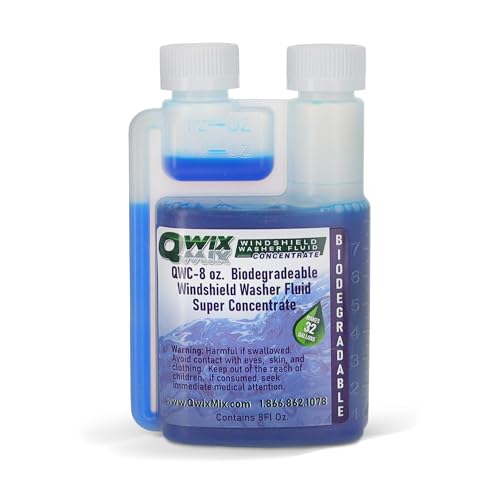
[Super Concentrated Savings] Qwix Mix windshield washer fluid concentrate makes up to 55 gallons of premium windshield washer fluid from one 8 oz bottle, saving money versus pre-mixed windshield washer fluids

One bottle of aqua charge makes 55 gallons of premium washer fluid
Benefits of Mixing With Water
- Cost-Effective Solution: Mixing concentrated washer fluid with water reduces the overall cost of maintaining your vehicle. It stretches the fluid further and cuts back on frequent purchases.
- Improved Fluid Availability: In scenarios where washer fluid runs low, adding water provides a temporary fix until you can refill. It ensures you maintain visibility.
- Dilution of Strong Concentrates: Some washer fluids may contain potent cleaning agents. Mixing with water can dilute these agents, making them safe for use in warmer conditions where full-strength isn’t necessary.
- Pre-Mixed Fluids: If you use pre-mixed washer fluids designed for ready use, further mixing isn’t required. These products offer optimal effectiveness in varied weather.
- Extremely Cold Temperatures: In frigid conditions, mixing with water could lead to freezing. Use undiluted washer fluid formulated for winter to prevent damage in low temperatures.
- Specific Fluid Types: Fluid types like rain repellent washer fluids are often chemically balanced. Mixing them with water could diminish their effectiveness and negate their special properties.
Recommendations from Experts
Experts recommend following specific guidelines when using windshield washer fluid. Adhering to these recommendations ensures optimal windshield clarity and fluid performance.
Recommended Products

Genuine BMW part that fits your specific vehicle

Trusted Formula for Over 30 Years: Kristall Klar has been the choice for those who want a crystal clear view of the road ahead without the streaks and smears typical of standard washer fluids

Removes and repels the toughest road grime
Manufacturer Guidelines
Always check the manufacturer’s instructions on the windshield washer fluid container. Many manufacturers define the proper mixing ratios to enhance effectiveness. Some washer fluids are concentrated and designed for dilution, while others are ready to use. Using the manufacturer’s guidelines helps prevent damage to your vehicle’s washer system and maintains the fluid’s cleaning properties.
Seasonal Considerations
For cold weather, experts advise using washer fluid specifically formulated for low temperatures. These fluids typically contain antifreeze agents that prevent freezing and ensure effective cleaning. In summer, a diluted solution may work, but be cautious about using it during heavy pollen seasons. Pollen can create sticky residues that warrant full-strength fluid for better cleaning. Adjust your washer fluid according to the season to enhance performance and visibility while driving.
Common Myths Debunked
Many beliefs about mixing windshield washer fluid with water lead to confusion. Understanding these myths helps you make informed choices for optimal windshield maintenance.
Misconceptions About Mixing
Mixing windshield washer fluid with water isn’t universally recommended. Some people think dilution is always necessary for cost savings. However, pre-mixed fluid often provides the right balance of cleaning agents, and mixing can reduce effectiveness. Always check the label for manufacturer guidelines; some fluids come concentrated and require specific dilution ratios.
Another common myth suggests any type of water works for mixing. Using tap water can introduce minerals and impurities that cause streaks or damage. Opt for distilled or deionized water when diluting washer fluid to ensure cleaner results.
Impact on Windshield Cleaning
Mixing washer fluid with water can significantly affect cleaning power. Many windshield washer fluids contain specific chemicals designed to break down road grime, bug residue, and ice melting agents. Diluting these fluids can weaken their performance. For instance, using a 50/50 mix might not effectively remove tough stains or debris.
Seasonal changes also impact fluid performance. In winter, specialized washer fluids resist freezing and provide better cleaning. Mixing them with water reduces these benefits, risking visibility while driving. For best results, use concentrated fluids in colder climates, and avoid mixing unless specified by the manufacturer.
Conclusion
Choosing the right windshield washer fluid is key to maintaining clear visibility on the road. While mixing with water might seem like a good idea for saving money it can actually compromise the fluid’s effectiveness. Always check your manufacturer’s guidelines before making any decisions on dilution.
Using the right seasonal fluid ensures you’re prepared for whatever weather comes your way. Remember that keeping your windshield clean is not just about convenience; it’s about safety. So next time you refill your washer fluid make sure you’re using the best option for your vehicle.
Frequently Asked Questions
What is the importance of choosing the right windshield washer fluid?
Choosing the right windshield washer fluid ensures optimal visibility and safe driving. It helps remove dirt, grime, and bugs while preventing streaks and smudges on your windshield. Additionally, selecting a fluid designed for specific seasons enhances performance under various weather conditions.
Can I mix windshield washer fluid with water?
While mixing washer fluid with water is cost-effective, it’s essential to follow manufacturer guidelines for mixing ratios. Using too much water can reduce the cleaning power, so only dilute when specified to maintain optimal performance and visibility.
What are the benefits of using distilled water for mixing?
Using distilled water is recommended as it is free from impurities that can cause streaks or damage to the windshield. It helps maintain the effectiveness of the washer fluid and ensures a clearer view while driving.
How does seasonal change affect washer fluid performance?
Seasonal changes can significantly impact washer fluid performance. Winter-specific fluids resist freezing and enhance cleaning in cold weather, ensuring visibility. It’s crucial to use season-appropriate fluids to optimize performance during different weather conditions.
What should I avoid when using windshield washer fluid?
It’s important to avoid diluting the washer fluid beyond the manufacturer’s recommendations, as excess water can impair its cleaning abilities. Additionally, refrain from using non-recommended fluids or substances that can damage the wiper system or the windshield.
