

Have you ever wondered if you could use automatic transmission fluid in your power steering system? You’re not alone. Many car owners face this dilemma when they find themselves low on power steering fluid and need a quick fix. It’s a common scenario that can lead to confusion and uncertainty about what’s safe for your vehicle.
In this article, we’ll break down whether automatic transmission fluid is a suitable substitute for power steering fluid. You’ll learn the potential risks and benefits, helping you make an informed decision. By the end, you’ll know exactly what to do next time you’re in a pinch, ensuring your steering system runs smoothly and efficiently.
Key Takeaways
- Fluid Compatibility: Automatic transmission fluid (ATF) can be a temporary solution for power steering issues, but using the correct power steering fluid as specified by your manufacturer is essential for system health.
- Potential Risks: Regular use of ATF in place of dedicated power steering fluid can lead to increased wear on seals and components, potentially resulting in leaks and costly repairs over time.
- Emergency Use Only: While ATF may provide satisfactory performance in emergencies, it should not replace the proper fluid long-term. Always adhere to manufacturer recommendations.
- Fluid Types Matter: Different power steering fluids (Dexron, Mercon, Chrysler PS, synthetic) are designed for specific vehicles, making it crucial to check your vehicle’s manual for the right type.
- Avoid Foaming Issues: ATF can generate more foam than standard power steering fluids, which might impair steering effectiveness and responsiveness.
- Consult Professionals: Always seek advice from a qualified mechanic or refer to your owner’s manual for optimal fluid choices to ensure proper maintenance of your power steering system.
Understanding Power Steering Systems
Power steering systems enhance the driving experience by making it easier to steer your vehicle. These systems rely on specific fluids to function efficiently. Using the correct fluid prevents wear and tear and maintains system integrity.
Types of Power Steering Fluids
Power steering fluids come in various types, each designed for specific systems.
- Dexron: Used in most GM vehicles, offering excellent lubricating properties.
- Mercon: Common in Ford vehicles, known for good thermal stability.
- Chrysler PS fluid: Tailored for Chrysler models, ensuring compatibility and proper flow.
- Synthetic fluid: Often used in high-performance cars, providing superior temperature resistance.
Knowing which type your vehicle requires is crucial. Always check your owner’s manual or consult a mechanic if uncertain.
Importance of Using the Correct Fluid
Using the correct fluid in your power steering system is vital for optimal performance.
- Prevents Damage: Incorrect fluid can cause seals to wear, leading to leaks or system failure.
- Maintains Efficiency: The right fluid reduces friction, ensuring smooth steering operation.
- Enhances Lifespan: Proper fluid protects components, extending the lifespan of the system.
In short, using the right power steering fluid maintains your vehicle’s safety and performance. Always prioritize manufacturer recommendations to keep your steering system in top shape.
Automatic Transmission Fluid Explained
Automatic transmission fluid (ATF) serves as a hydraulic fluid that helps with gear shifting and cooling within automatic transmissions. Understanding its composition and properties, along with its common uses, clarifies its role in vehicle operation.
Recommended Products
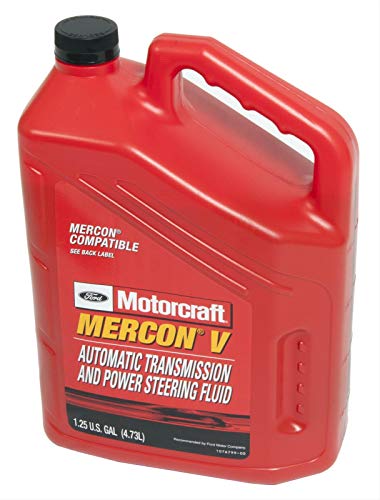
Motorcraft MERCON V is a premium-quality automatic transmission fluid

Exceeds demands of automatic transmissions of most Chrysler, Dodge, Ram & other Stellantis vehicles

Motorcraft MERCON V is a premium-quality automatic transmission fluid
Composition and Properties
Automatic transmission fluid consists of a blend of base oils and additives. These additives enhance performance by improving viscosity, reducing oxidation, and providing lubrication. The fluid’s unique composition allows it to withstand high temperatures and pressures, ensuring smooth operation. It’s typically dyed red or green for easy identification.
Common Uses of Automatic Transmission Fluid
Automatic transmission fluid primarily functions in automatic transmissions, but its versatility extends to other areas. Key uses include:
- Transmission Cooling: ATF dissipates heat generated during operation, preventing overheating.
- Hydraulic Transmission Functions: ATF acts as a hydraulic fluid for shifting gears smoothly.
- Power Steering Systems: Some vehicles can use ATF in their power steering systems, as its properties can support hydraulic functions effectively.
- Torque Converters: ATF ensures proper functioning of torque converters within the transmission.
Using ATF in contexts for which it’s not designed can lead to performance issues. Always check your vehicle’s manual for the recommended fluid type.
Can You Use Automatic Transmission Fluid in Power Steering?
Using automatic transmission fluid (ATF) in power steering systems may seem convenient but comes with important considerations. While ATF shares some similarities with power steering fluid, it’s essential to understand the implications of its use in your vehicle.
Recommended Products

REDUCES NOISE AND SMOOTHES OUT HARD STEERING: A unique dual cavity bottle containing a combination of the best performance additives to repair the most common power steering fluid related problems.

Engineered Stop Leak Protection: Specially formulated to condition and rejuvenate worn seals, helping stop existing leaks and preventing future fluid loss for smoother steering performance

Improves steering response and feel
Potential Benefits
- Availability: ATF is often readily available at auto parts stores, making it an accessible option when you’re in a pinch.
- Hydraulic Properties: ATF contains similar hydraulic properties, which may allow it to perform adequately for short periods.
- Functionality: In some vehicles, using ATF may provide temporary relief if you’ve run low on specific power steering fluid and you need to drive short distances.
- Compatibility Issues: Many vehicle manufacturers specify a particular type of fluid for power steering systems. Using ATF instead can lead to compatibility issues within the system’s components.
- Foaming: ATF can generate more foam than standard power steering fluids, which might impair steering response.
- Increased Wear: Over time, using ATF can cause increased wear on seals and hydraulic components, potentially leading to leaks and costly repairs.
- Manufacturer Guidelines: Vehicle manuals usually indicate the specific fluid required. Ignoring these guidelines can void warranties or harm performance.
Always refer to your vehicle’s manual before making fluid choices to ensure the best outcomes for your power steering system.
Expert Opinions and Recommendations
Automotive experts emphasize the importance of using the correct fluid in your power steering system to maintain optimal performance and longevity. Here’s what professionals recommend.
Recommended Products
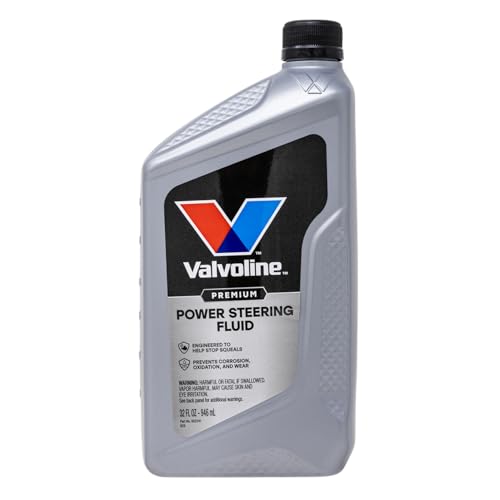

Compatible with all European Cars: Bentley, Audi, Porsche, BMW, Mercedes Benz, Range Rover, Volvo, Ferrari, Skoda, Fiat; Compatible with all US made Vehicles: GM, Ford, Corvette, Dodge, Chrysler (trucks and passenger cars); Compatible with the following Asian vehicles: Toyota, Nissan, Mitsubishi, Kia, Infinity

ALL ASIAN CAR COVERAGE: Fully compatible with all Asian vehicles, including Subaru, Honda, Toyota, Lexus, Acura, Nissan, Kia, Mitsubishi and many others.
Automotive Professionals’ Insights
Automotive technicians often caution against using automatic transmission fluid (ATF) in power steering systems. While ATF may function in an emergency due to its hydraulic properties, long-term usage can cause significant problems. Some technicians report increased wear on seals and hoses, which leads to leaks or catastrophic failures over time. Always consult a qualified mechanic if you’re unsure about fluid compatibility for your vehicle.
Manufacturer Guidelines
Most vehicle manufacturers specify the exact type of power steering fluid for their models. These guidelines are critical for maintaining system health. Using anything outside of the recommended fluid, including ATF, usually voids warranty coverage and may result in costly repairs. Check your owner’s manual or contact your dealership to confirm the right fluid for your power steering system.
Conclusion
Using automatic transmission fluid in your power steering system might seem like a quick fix but it can lead to more problems down the road. Sticking to the manufacturer’s recommendations is key for keeping your system running smoothly. Remember that the right fluid helps maintain efficiency and prevents costly repairs. If you’re ever unsure about what to use consult a qualified mechanic to avoid any compatibility issues. Taking care of your power steering is an investment in your vehicle’s overall health and performance.
Frequently Asked Questions
What is the importance of using the correct power steering fluid?
Using the correct power steering fluid is vital to prevent damage and maintain the efficiency of your steering system. Each vehicle has specific fluid requirements, and using the wrong type can lead to compatibility issues, increased wear, and potential system failure.
Can automatic transmission fluid (ATF) be used in power steering systems?
ATF can be used in power steering systems for short-term needs due to its hydraulic properties. However, it’s not recommended for long-term use as it may cause compatibility issues and excessive wear on crucial components.
What problems can arise from using ATF in power steering systems?
Using ATF consistently can lead to increased wear on seals and hoses, potential leaks or failures, and foaming, which impairs the steering response. This can result in costly repairs and reduced system efficiency.
Why should I follow manufacturer guidelines for power steering fluid?
Following manufacturer guidelines is essential to avoid voiding warranties and ensuring the longevity of your power steering system. Each vehicle is designed for specific fluid types, and using anything else can lead to severe damage and expensive repairs.
How can I ensure my power steering fluid is compatible?
To ensure compatibility, consult your vehicle’s manual for the recommended power steering fluid type. Additionally, it’s wise to seek advice from a qualified mechanic to confirm you’re using the right product for your system’s health.
