

Have you ever found yourself in a pinch, wondering if you can use windshield washer fluid in your radiator? You’re not alone. Many drivers face this dilemma, especially during those hectic moments when you’re running low on coolant and need a quick fix.
This article will guide you through the potential risks and consequences of using washer fluid in your radiator. You’ll learn why it’s crucial to stick to the right fluids for your vehicle and how doing so can save you from costly repairs down the road. By the end, you’ll have the knowledge to make informed decisions about your car’s maintenance.
Key Takeaways
- Windshield Washer Fluid is Not for Radiators: It is crucial to never substitute windshield washer fluid for radiator coolant due to significant risks of engine damage and system failure.
- Functions of Windshield Washer Fluid: Designed specifically for cleaning windshields, it contains surfactants and solvents to enhance visibility, but lacks the necessary properties for cooling systems.
- Importance of Proper Coolant: Using the right coolant type (Ethylene Glycol, Propylene Glycol, OAT, or HOAT) is vital for maintaining optimal engine temperature and preventing long-term corrosion.
- Potential Risks of Incorrect Usage: Adding washer fluid to your radiator can lead to overheating, leaks, and damage to engine components such as seals and gaskets.
- Alternatives for Radiator Maintenance: In emergencies, you may use distilled water temporarily, but always revert to recommended coolants for long-term care to ensure vehicle performance.
- Consult Your Owner’s Manual: Always refer to your vehicle’s manual for recommended fluid types and maintenance practices to safeguard against costly repairs.
Understanding Windshield Washer Fluid
Windshield washer fluid plays a crucial role in vehicle maintenance. It consists of components designed for effective cleaning and visual clarity. Understanding its makeup and purpose is essential for ensuring your vehicle operates properly.
Recommended Products

SUPER CONCENTRATED WASHER FLUID: 16 fl oz washer fluid bottle makes 165 gallons of summer blend washer fluid. Just pump three times per gallon of water, directly into your windshield washer fluid tank.
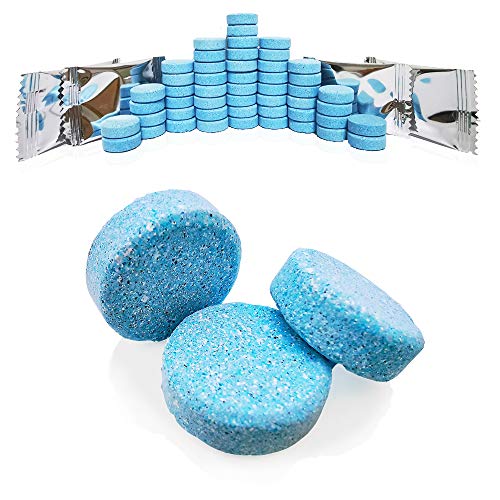
【Portable & Cost-Effective】Our windshield washer tablets are compact (16mm*2mm) and portable, making them easy to store and carry. Each tablet equals 1 gallon of washing liquid, offering significant savings compared to traditional fluids. Perfect for car windshield wiper fluid needs, these tablets are ideal for drivers looking for a convenient and economical solution.

Trusted Formula for Over 30 Years: Kristall Klar has been the choice for those who want a crystal clear view of the road ahead without the streaks and smears typical of standard washer fluids
Components of Windshield Washer Fluid
- Water: Acts as a primary solvent, helping to dilute other components.
- Surfactants: Break down dirt and grime, allowing for easier removal.
- Alcohol: Prevents freezing in colder temperatures and enhances evaporation.
- Dyes: Give the fluid its color, making it easy to identify.
These components work together to effectively clean your windshield and enhance visibility during driving.
Purpose of Windshield Washer Fluid
Windshield washer fluid serves specific functions:
- Cleaning: Removes dirt, bugs, and debris from the windshield surface.
- Visibility: Improves driving safety by ensuring a clear view of the road.
- Protection: Helps prevent the buildup of grime and streaks on your glass.
Using the correct windshield washer fluid is vital for optimal performance and safety. Avoid substituting with other fluids, including coolant, as it may not provide the necessary benefits and could cause damage.
The Radiator’s Role in Vehicle Cooling
The radiator plays a crucial role in keeping your vehicle’s engine at an optimal temperature. It prevents overheating by allowing coolant to circulate and disperse heat generated from the engine.
Importance of Coolant
Coolant, often called antifreeze, maintains the engine’s temperature within a safe range. It absorbs excess heat, circulating through the engine and returning to the radiator. This process helps prevent engine damage and improves overall performance. Using the correct coolant prevents corrosion, reduces wear, and ensures longevity.
Types of Coolants
Coolants come in different types. Each serves a specific purpose based on vehicle needs:
- Ethylene Glycol: Common in most vehicles, it protects against freezing and boiling.
- Propylene Glycol: Less toxic, recommended for environments with potential for human or animal exposure.
- Organic Acid Technology (OAT): Specifically designed for modern engines, it offers extended life and is often used in newer vehicles.
- Hybrid Organic Acid Technology (HOAT): Combines properties of OAT and traditional coolants, suitable for various vehicle models.
Using the right type of coolant improves efficiency and protects your vehicle’s components effectively. Always refer to your owner’s manual for the recommended coolant type.
Can You Put Windshield Washer Fluid in Radiator?
Putting windshield washer fluid in your radiator poses serious risks. Although both liquids serve distinct purposes, they contain different chemicals that can damage your vehicle.
Recommended Products

5 year/150, 000 mile . Silicate-free, long-life, phosphate Hybrid Organic Acid Technology chemistry


Contains Alugard Plus for compatibility with all ethylene glycol-based coolants in automobiles and light duty trucks
Potential Risks and Consequences
Using windshield washer fluid in your radiator can lead to problems like coolant system failure and overheating. Windshield washer fluid lacks the necessary anti-corrosive properties found in traditional coolants. As it circulates through your engine, the chemicals in washer fluid can corrode components, harming seals and gaskets. This can lead to leaks and further engine damage. Additionally, washer fluid doesn’t have the same freezing and boiling point protection that proper coolant provides, increasing the risk of engine overheating or freezing.
Comparison with Traditional Coolants
Traditional coolants, such as those based on Ethylene Glycol or Propylene Glycol, are designed to maintain optimal engine temperature. They provide thermal regulation, prevent corrosion, and guard against freezing. For example:
| Coolant Type | Key Features |
|---|---|
| Ethylene Glycol | Effective down to -34°F, strong corrosion inhibitors |
| Propylene Glycol | Non-toxic, effective down to -26°F |
| OAT (Organic Acid Technology) | Long-lasting protection, compatible with aluminum engines |
| HOAT (Hybrid Organic Acid Technology) | Combines older and newer technology, versatile use |
Using the correct coolant helps ensure engine efficiency and longevity. Always refer to your owner’s manual for the appropriate coolant type to protect your vehicle effectively.
Alternatives to Windshield Washer Fluid in Radiator
Using the correct fluids in your vehicle is crucial for maintaining performance and longevity. If you’re considering alternatives to windshield washer fluid for your radiator, several options exist.
Recommended Products

Silicate-, Nitrite-, Amine- Borate- and Phosphate-free

Provides protection down to -34 degree fahrenheit

The models have only one unit system: °F. With the indication of the percentage we may know the freezing point of either ethylene glycol or propylene glycol based cooling systems. And they can also be used to test the concentration of ethylene glycol or propylene glycol in antifreeze Fluids.
Recommended Coolants
Opt for traditional antifreeze or coolant, such as:
- Ethylene Glycol: This is the most common coolant. It effectively lowers the freezing point and raises the boiling point of the liquid in your radiator, helping to regulate engine temperature.
- Propylene Glycol: This is a safer alternative, especially for environments where spills may occur. It’s less toxic and works similarly to Ethylene Glycol.
- Organic Acid Technology (OAT): This coolant type offers long-lasting protection against corrosion without phosphates. It’s ideal for newer vehicles.
- Hybrid Organic Acid Technology (HOAT): Combining traditional and organic acid technologies, this coolant provides comprehensive protection, especially for mixed fleets.
Always check your owner’s manual for the recommended coolant type to ensure compatibility with your vehicle.
DIY Solutions for Radiator Issues
If you’re dealing with minor radiator issues, consider these DIY solutions:
- Water: In emergencies, you can use distilled water as a temporary filler. Avoid regular tap water due to impurities that can cause corrosion.
- Pre-Mixed Coolant: Purchase ready-to-use coolant. This eliminates the hassle of mixing and ensures you maintain the correct ratio of water to antifreeze.
- Flush the Radiator: If coolant becomes contaminated or degraded, perform a radiator flush. Use a commercial radiator cleaner according to the product’s instructions, or mix vinegar and water for a homemade solution. Rinse thoroughly before adding fresh coolant.
Tackle any radiator issues promptly to maintain engine efficiency and prevent overheating.
Conclusion
Using windshield washer fluid in your radiator isn’t a good idea. It can lead to serious engine problems and costly repairs. Stick to the recommended coolants designed for your vehicle to keep everything running smoothly.
If you’re ever in doubt about what to use, checking your owner’s manual is always a smart move. Remember that maintaining your cooling system is key to your engine’s health. Taking a little time to ensure you’re using the right fluids can save you a lot of trouble down the road. Keep your vehicle happy and it’ll reward you with reliable performance.
Frequently Asked Questions
Can I use windshield washer fluid in my radiator?
No, you should not use windshield washer fluid in your radiator. It does not have the necessary anti-corrosive properties and can lead to coolant system failure and engine damage.
What are the recommended coolants for my vehicle?
The recommended coolants include Ethylene Glycol, Propylene Glycol, OAT, and HOAT. These coolants provide essential benefits, such as regulating engine temperature and preventing corrosion.
What DIY solutions can I use for radiator issues?
For minor radiator issues, consider using distilled water, pre-mixed coolant, or performing a radiator flush. These methods can help maintain engine efficiency and prevent overheating.
Why is it important to use the correct coolant?
Using the correct coolant is essential for protecting your vehicle’s components. It prevents corrosion, regulates temperature, and ensures the longevity of your engine and cooling system.
Where can I find the recommended coolant type for my vehicle?
You can find the recommended coolant type in your vehicle’s owner’s manual. Always consult it to ensure you are using the proper fluid for your specific model.
