

Have you ever found yourself running low on windshield washer fluid and wondered if Windex could save the day? You’re not alone. Many drivers face this dilemma, especially during those unexpected moments when a quick clean is necessary.
Using Windex in your car’s washer fluid might seem like a convenient solution, but it raises some important questions. In this article, you’ll discover whether it’s safe to use Windex in your washer system and what potential risks you might face. By the end, you’ll be equipped with the knowledge to keep your windshield crystal clear without damaging your car.
Key Takeaways
- Windex Is Not Designed for Cars: Windex is primarily meant for household glass cleaning and lacks the antifreeze properties necessary for vehicle washer systems.
- Potential Risks of Using Windex: Using Windex can lead to wiper blade damage, potential residue buildup, and freezing in cold weather, which may harm your washer fluid system.
- Importance of Dedicated Washer Fluids: Automotive washer fluids are formulated to enhance cleaning efficiency, prevent freezing, and protect wiper components, making them a safer choice for vehicles.
- DIY Alternatives Are Available: Simple homemade washer fluid solutions, such as diluted vinegar or a vinegar-rubbing alcohol mix, can serve as effective and cost-efficient alternatives to commercial washer fluids.
- Check Product Labels: Always read the labels of any fluid you consider using to ensure it is suitable for your vehicle’s needs and to avoid potential damage.
- Seasonal Fluid Selection: Choosing washer fluids specifically formulated for seasonal conditions, like winter fluids, helps maintain optimal vehicle performance during adverse weather.
Understanding Car Washer Fluid
Using the correct car washer fluid is vital for maintaining visibility while driving. The right fluid ensures the windshield remains clean without damaging the wiper system.
Recommended Products

Safer, Plant-Derived Ethanol Formula: Renewable, plant-based alternative to petroleum & methanol. Safer for families & pets

Removes and repels the toughest road grime

Trusted Formula for Over 30 Years: Kristall Klar has been the choice for those who want a crystal clear view of the road ahead without the streaks and smears typical of standard washer fluids
Importance of Using the Right Fluid
Using the appropriate washer fluid prevents residue build-up and enhances wiper performance. Fluids specifically designed for automotive use contain additives that combat dirt, grime, and bugs effectively. Incorrect fluids, like Windex, may lead to streaks or chemical reactions that damage paint or rubber components. Opting for the right fluid maximizes visibility, especially in adverse weather conditions.
Common Ingredients in Washer Fluids
Most washer fluids contain a blend of water, methanol, and various detergents.
- Water: Serves as the base and helps rinse debris off the windshield.
- Methanol: Lowers the freezing point, which is beneficial in cold climates.
- Detergents: Assist in breaking down grime and enhancing cleaning efficiency.
Some fluids also include additional agents like anti-foaming agents and dyes. Knowing these ingredients helps you choose the best washer fluid for your vehicle’s needs. Always check product labels before use.
Windex Overview
Windex is a popular cleaning product often used for its effective glass-cleaning capabilities. Its use in vehicle washing systems raises questions about safety and performance.
Composition of Windex
Windex primarily contains water, ammonia, and various surfactants. These components serve specific functions:
- Water: Acts as a solvent and diluent, making the solution easy to apply.
- Ammonia: Provides powerful streak-free cleaning by breaking down dirt and grime.
- Surfactants: Help lift particles from surfaces for a cleaner finish.
Many Windex formulations also include dyes and fragrances for aesthetic appeal. Understanding this composition is essential before considering it for use in your car’s washer fluid system.
Intended Uses of Windex
Windex is designed for cleaning glass surfaces in homes and businesses. Commonly used applications include:
- Windows: Cleans indoor and outdoor glass, ensuring clarity.
- Mirrors: Helps achieve a streak-free shine on reflective surfaces.
- Other Surfaces: Can clean some countertops and stainless steel, but caution is needed to avoid damage.
Windex isn’t formulated for automotive use, lacking the antifreeze properties essential for maintaining visibility and preventing fluid freeze in colder climates.
Can You Put Windex in Your Car Washer Fluid?
Using Windex in your car’s washer fluid system raises questions. While it contains cleaning agents, it’s important to assess both its benefits and drawbacks.
Recommended Products

32°F+ Summer Blend: Ideal for warm-weather driving conditions while maintaining optimal cleaning power

EFFORTLESS CLEANING: Enjoy hassle-free maintenance with ABRO's pre-mixed windshield wiper fluid formula, saving you time and effort in preparing the solution for streak-free clarity.

Windshield washer: 1 piece of concentrated cleaning tablet is equivalent to 1.05 gallon of glass cleaning fluid, with strong cleaning power, can easily clean the dust and stains on your windshield, make the windshield clean, and ensure the driving safety of the car
Potential Benefits
- Cleaning Power: Windex has ammonia and surfactants, which effectively remove dirt and grime. This can enhance visibility when cleaning your windshield.
- Ease of Access: Windex is often readily available in households, making it a convenient option when you run out of traditional washer fluid.
- Streak-Free Shine: For a temporary fix, Windex can leave a streak-free finish, helping maintain clear glass surfaces while driving.
- Lack of Antifreeze: Windex doesn’t contain antifreeze properties. In cold weather, this can lead to frozen washer fluid and potential damage to your system.
- Wiper Blade Damage: The ammonia in Windex may degrade rubber components of your wiper blades over time, reducing their effectiveness.
- Potential Residue: Windex can leave a residue that builds up in the washer fluid reservoir, potentially clogging the system.
Understanding these factors helps you decide whether to use Windex or stick with dedicated washer fluids designed for vehicle use.
Recommended Alternatives
For safe and effective vehicle care, consider using designated washer fluids instead of Windex. These alternatives maintain visibility and protect your car’s wiper system.
Recommended Products

Melts ice & frost fast, -34 degrees F protection

advanced Water beading technology leaves no streaks and is glare free
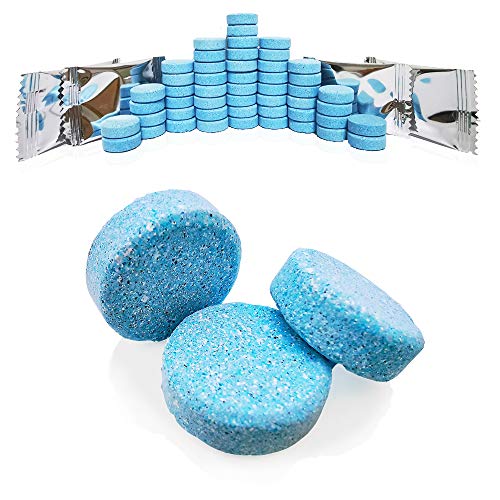
【Portable & Cost-Effective】Our windshield washer tablets are compact (16mm*2mm) and portable, making them easy to store and carry. Each tablet equals 1 gallon of washing liquid, offering significant savings compared to traditional fluids. Perfect for car windshield wiper fluid needs, these tablets are ideal for drivers looking for a convenient and economical solution.
Commercial Washer Fluids
Commercial washer fluids come in various formulations tailored for specific weather conditions. Here are a few examples:
- All-Season Fluids: These fluids combine detergents and antifreeze properties to prevent freezing. They’re suitable for most conditions, ensuring clear visibility year-round.
- Winter Fluids: Designed for cold climates, these fluids contain a higher concentration of antifreeze. They prevent freezing in cold weather and help clear away ice and snow.
- Bug Removal Fluids: These contain additional cleaning agents specifically designed to tackle tough grime, like insects. They enhance cleaning power without harming the wiper blades.
Using these products ensures optimal performance and protects your vehicle.
DIY Washer Fluid Solutions
DIY washer fluid offers a cost-effective alternative. Here are simple recipes you can try:
- Basic Solution: Mix one part water with one part vinegar. This solution cleans effectively and leaves no streaks.
- Winter Formula: Combine one quart of water, 1/2 cup of vinegar, and 1/4 cup of rubbing alcohol. This mixture prevents freezing and cleans well in cold weather.
- Citrus Cleaner: Add the juice of one lemon to a quart of water for a fresh scent. This solution also provides decent cleaning power without harsh chemicals.
Always test DIY solutions in a small area before use. This practice helps prevent any potential damage to your windshield or wiper system.
Conclusion
Choosing the right washer fluid is key to keeping your windshield clean and your wiper system in top shape. While Windex might seem like a quick fix it’s not designed for automotive use and could lead to issues down the road. Opting for fluids specifically made for cars ensures you’re getting the best performance and protection.
If you’re feeling adventurous consider making your own washer fluid. Just remember to test any DIY solutions carefully to avoid damage. By taking a little time to understand your options you’ll help maintain your vehicle’s clarity and safety on the road.
Frequently Asked Questions
Can I use Windex as windshield washer fluid?
Using Windex as a substitute for windshield washer fluid is not recommended. While Windex can clean surfaces, it lacks antifreeze properties, which are essential for maintaining visibility and preventing wiper system damage, especially in colder climates.
What are the main ingredients in windshield washer fluid?
Common ingredients in windshield washer fluid include water, methanol (for antifreeze), and detergents. These components work together to clean the windshield effectively while preventing freezing in low temperatures.
What are the risks of using the wrong washer fluid?
Using the wrong washer fluid can lead to reduced visibility, frozen wipers, and potential damage to the wiper system. It’s important to use a fluid specifically designed for automotive needs to ensure safety and performance.
What are some recommended washer fluid alternatives to Windex?
Recommended alternatives to Windex include all-season washer fluids, winter washer fluids, and specialized bug removal fluids. These products are formulated to handle various weather conditions and improve cleaning efficiency without damaging your vehicle.
Can I make my own windshield washer fluid?
Yes, you can make your own windshield washer fluid. Simple recipes include combining water with vinegar or rubbing alcohol. However, it’s crucial to test DIY solutions to avoid damaging your vehicle’s surfaces and systems.
How do I test a DIY washer fluid?
To test a DIY washer fluid, apply a small amount to your windshield and use the wipers. Check for any adverse reactions, such as streaking or damage. It’s essential to ensure the fluid does not compromise visibility or harm the wiper system before full application.
