

Have you ever found yourself running low on windshield washer fluid and wondered if you could just grab that bottle of Windex sitting under your sink? You’re not alone. Many drivers face this dilemma, especially during those unexpected moments when a dirty windshield makes it hard to see.
In this article, you’ll learn whether Windex is a safe substitute for your car’s washer fluid. We’ll explore the pros and cons, so you can make an informed choice next time you’re in a pinch. By the end, you’ll feel confident about keeping your windshield clean without risking any damage to your vehicle.
Key Takeaways
- Windex vs. Car Washer Fluid: While Windex may clean windshields effectively, it contains ammonia that can damage vehicle coatings and seals over time.
- Importance of Proper Fluid: Using specialized car washer fluids is essential for optimal cleaning performance and to protect your vehicle’s components from potential harm.
- Risks of Using Windex: Potential consequences of using Windex include streaking, clogged nozzles, and possible warranty issues due to non-recommended products.
- Emergency Alternatives: In urgent situations, diluting Windex with water can mitigate risks, but it should be avoided as a regular solution.
- DIY Solutions: Making your own washer fluid using simple recipes, such as vinegar or dish soap mixtures, can provide effective cleaning without harmful chemicals.
- Recommended Products: Consider using trusted brands like Prestone or Rain-X for reliable performance and protection tailored to automotive needs.
Overview of Car Washer Fluid
Car washer fluid plays a crucial role in maintaining clear visibility while driving. Using the right washer fluid ensures efficient cleaning without damaging your vehicle’s components.
Recommended Products

SUPER CONCENTRATED WASHER FLUID: 16 fl oz washer fluid bottle makes 165 gallons of summer blend washer fluid. Just pump three times per gallon of water, directly into your windshield washer fluid tank.
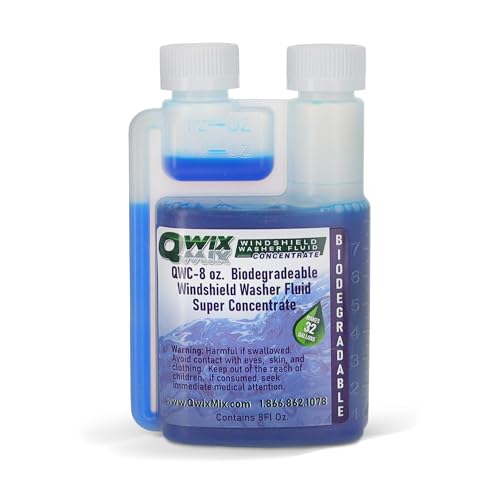
[Super Concentrated Savings] Qwix Mix windshield washer fluid concentrate makes up to 55 gallons of premium windshield washer fluid from one 8 oz bottle, saving money versus pre-mixed windshield washer fluids

Trusted Formula for Over 30 Years: Kristall Klar has been the choice for those who want a crystal clear view of the road ahead without the streaks and smears typical of standard washer fluids
Importance of Using Proper Washer Fluid
Using proper washer fluid ensures optimal performance in cleaning your windshield. Specialized formulas break down grime, dirt, and road salt effectively. Choosing the right fluid minimizes streaks and enhances visibility in adverse weather conditions. Incorrect fluids, such as household cleaners, can damage wiper blades or windshield coatings.
Common Ingredients in Washer Fluids
Car washer fluids typically contain the following common ingredients:
- Water: Dilutes other components, acting as a solvent.
- Surfactants: Break down dirt and oil, facilitating easier cleaning.
- Alcohol: Prevents freezing in cold temperatures; enhances drying.
- Fragrance: Provides a pleasant smell when sprayed.
- Dyes: Helps identify different washer fluid types.
Understanding these ingredients helps you make informed choices about which washer fluids to use. These fluids are specifically designed for automotive applications, unlike products like Windex, which may contain additional chemicals that aren’t suitable for vehicles.
Windex: Composition and Uses
Windex is a commonly used cleaning product with specific ingredients and uses. Understanding these aspects can help you decide whether it’s suitable for your car’s windshield washer system.
Understanding Windex Ingredients
Windex contains several core ingredients that serve various functions:
- Water: Acts as a solvent and helps dissolve dirt and grime.
- Ammonia: Provides powerful cleaning properties and cuts through tough stains.
- Surfactants: Reduce surface tension, allowing the solution to spread and penetrate effectively.
- Fragrance: Offers a pleasant scent but doesn’t contribute to cleaning performance.
- Dyes: Add color to the product without affecting functionality.
Certain ingredients in Windex, especially ammonia, can damage window films or coatings on vehicles. Thus, using it in a car washer system could cause harm over time.
Common Uses of Windex
Windex is popular for various household cleaning tasks, such as:
- Glass surfaces: Cleans windows, mirrors, and glass tables without streaks.
- Countertops: Removes fingerprints and spills from non-porous surfaces.
- Fixtures: Shines faucets and other metal fixtures effectively.
- Appliances: Cleans stainless steel and other appliance surfaces.
Using Windex for these tasks helps maintain cleanliness at home. However, these applications differ significantly from the needs of automotive glass maintenance, where specialized washer fluids are better suited to prevent potential damage.
Can You Put Windex in Car Washer Fluid?
Using Windex in your car’s washer fluid system poses some risks. While it may clean your windshield, its chemicals can damage vehicle components.
Recommended Products

EFFORTLESS CLEANING: Enjoy hassle-free maintenance with ABRO's pre-mixed windshield wiper fluid formula, saving you time and effort in preparing the solution for streak-free clarity.

Add to existing washer fluid

Safer, Plant-Derived Ethanol Formula: Renewable, plant-based alternative to petroleum & methanol. Safer for families & pets
Potential Risks and Consequences
- Ammonia Damage: Windex contains ammonia, which can harm windshield coatings and seals.
- Streaking: Non-automotive washer fluids may leave streaks on glass, reducing visibility.
- Clogged Nozzles: Surfactants in Windex can lead to clogged washer nozzles, causing malfunctions.
- Warranty Issues: Using non-recommended products can void warranties or service agreements.
- Chemical Reactions: Mixing household cleaners can create unexpected chemical reactions, possibly damaging your car.
- Emergency Situations: If you’re out of washer fluid and need immediate cleaning, dilute Windex with water to reduce risks.
- Temporary Use for Cleaning: For quick cleaning before a professional wash, using Windex cautiously can work.
- Older Vehicles: If your car has older components less sensitive to chemicals, Windex may not cause immediate issues.
- Occasional Use: Limited and infrequent use for deep cleaning may be acceptable but avoid regular reliance on it.
Alternative Solutions
If you’re considering alternatives to Windex for your car’s washer fluid, there are several effective options available. These solutions ensure your vehicle stays clean while protecting its components.
Recommended Products

32°F+ Summer Blend: Ideal for warm-weather driving conditions while maintaining optimal cleaning power

Removes and repels the toughest road grime

Crystal Clear Streak-Free Vision: Advanced windshield cleaner delivers spot-free clarity with every spray-professional-grade performance without streaks or smears
Recommended Car Washer Fluids
Using specialized car washer fluids designed for automotive systems is crucial. These fluids often contain antifreeze agents and cleaning solutions tailored for vehicles. Here are a few recommended products:
- Prestone Windshield Washer Fluid: This fluid offers excellent cleaning power and freezing protection.
- Rain-X Windshield Washer Fluid: It enhances visibility, especially in rain, by repelling water.
- Ultra Clear Windshield Washer Fluid: This option provides streak-free clarity while being safe for all types of glass.
Always choose a fluid that matches your region’s weather conditions if you’re in an area with extreme temperatures.
DIY Car Washer Fluid Options
Creating your own washer fluid can be both economical and effective. Here are simple recipes you can use:
- Basic DIY Formula: Mix 1 part distilled vinegar with 3 parts water. This solution cleans well and is safe for glass surfaces.
- Dish Soap Blend: Combine 1 tablespoon of gentle dish soap with 1 gallon of water. This mix cleans effectively without harmful chemicals.
- Alcohol Solution: Use 1 part isopropyl alcohol to 3 parts water. This mix helps prevent freezing in colder climates.
When making DIY washer fluid, avoid using soap with moisturizers or fragrances, as these can leave residues. Always test any homemade solution on a small area to ensure compatibility.
Conclusion
Using Windex in your car’s washer fluid isn’t the best idea. While it might seem convenient it can lead to some serious issues down the road. Sticking to specialized washer fluids will help keep your windshield clear and your vehicle’s components safe.
If you’re ever in a pinch and need to use Windex, just remember to dilute it with water. For regular use though, it’s best to invest in quality products designed for your car. You’ll not only ensure better visibility but also protect your vehicle’s integrity in the long run. Safe driving starts with a clear view so keep your washer fluid in check!
Frequently Asked Questions
Why should I avoid using Windex in my car washer system?
Using Windex can be harmful due to its ammonia content, which may damage windshield coatings and seals. This can lead to streaking, clogged nozzles, and potential warranty issues, making specialized washer fluids a safer choice.
What are the risks of using household cleaners like Windex in my car?
Household cleaners may cause chemical reactions, harm sensitive components, and lead to long-term issues. It’s safer to use automotive washer fluids specifically designed for vehicles to maintain optimal performance.
Can I use Windex in an emergency?
In emergencies, you can dilute Windex with water for immediate use, but it’s important to switch back to specialized washer fluids afterward to avoid potential damage.
Are there acceptable circumstances to use Windex?
Occasional and cautious use of Windex may be acceptable for older vehicles with less sensitive components as a temporary cleaning solution, but it should not replace regular washer fluid.
What are some recommended automotive washer fluids?
Specialized products like Prestone, Rain-X, and Ultra Clear are ideal choices for optimal cleaning and protection, ensuring your vehicle remains in good condition.
Can I make my own washer fluid?
Yes, you can create DIY washer fluid using distilled vinegar, dish soap, and isopropyl alcohol. Always test homemade solutions on a small area first to prevent any damage.
