

Have you ever found yourself dealing with a frozen windshield on a chilly morning? It’s frustrating when your windshield washer fluid just won’t cut through the ice. You might be wondering if there’s a quick fix, like adding HEET to your washer fluid.
In this article, you’ll discover whether it’s safe and effective to mix HEET with your windshield washer fluid. You’ll learn about the benefits, potential risks, and some handy tips to keep your windshield clear in all weather conditions. By the end, you’ll be better equipped to tackle those frosty mornings with confidence.
Key Takeaways
- Safety and Effectiveness: Adding HEET to windshield washer fluid is safe and can enhance performance, especially in cold weather.
- Benefits of HEET: It prevents freezing, enhances cleaning ability, provides quick thawing for ice, and can streamline winter maintenance.
- Potential Risks: Mixing HEET with other washer fluids may cause chemical reactions, damage wiper blades, and lead to uneven application and visibility issues.
- Alternatives to HEET: Consider commercial additives designed for winter use or DIY solutions like vinegar and water or isopropyl alcohol mixtures for effective windshield maintenance.
- Understanding Composition: Windshield washer fluid typically contains water, detergents, alcohol, and dyes, each serving crucial functions for vehicle safety.
- Proper Usage: Always check labels for compatibility and manufacturer instructions when mixing products or using homemade solutions.
Understanding Windshield Washer Fluid
Windshield washer fluid plays a crucial role in maintaining clear visibility while driving. Understanding its composition and purpose helps you make informed decisions about what to put in your washer reservoir.
Composition of Windshield Washer Fluid
Windshield washer fluid typically contains the following components:
- Water: Acts as the main solvent, diluting other ingredients.
- Detergents: Help remove dirt, grime, and debris from your windshield.
- Alcohol: Lowers the freezing point and helps prevent the fluid from freezing in cold temperatures.
- Dyes: Color the fluid to differentiate it from other fluids in your vehicle.
Some formulas may include additional ingredients for enhanced cleaning or protection.
Purpose of Windshield Washer Fluid
Windshield washer fluid fulfills several key functions:
- Cleansing: Effectively removes dirt, dust, and road grime from the windshield.
- Enhancing Visibility: Improves clarity, especially in adverse weather conditions.
- Preventing Frost: Protects against freezing, allowing for smoother operation in colder climates.
- Maintaining Wiper Blades: Reduces wear on wiper blades by minimizing friction.
These functions contribute to safer driving experiences by ensuring clear visibility.
What Is Heet?
HEET is an antifreeze and de-icer product often used in automotive applications. It prevents windshield washer fluid from freezing and enhances its cleaning ability during cold weather.
Recommended Products
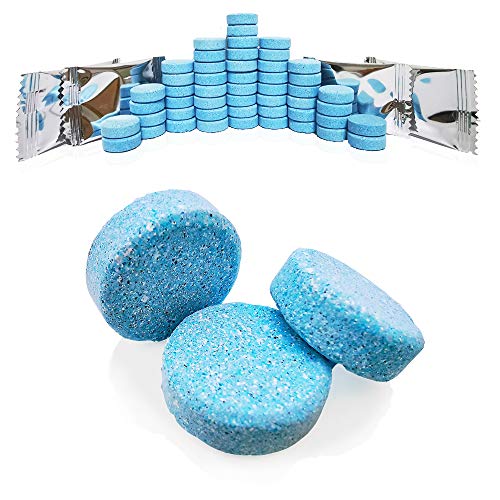
【Portable & Cost-Effective】Our windshield washer tablets are compact (16mm*2mm) and portable, making them easy to store and carry. Each tablet equals 1 gallon of washing liquid, offering significant savings compared to traditional fluids. Perfect for car windshield wiper fluid needs, these tablets are ideal for drivers looking for a convenient and economical solution.
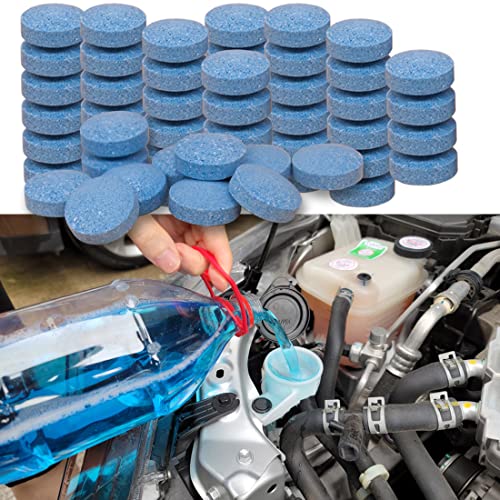
🍀ECONOMICAL& EFFICIENT You will obtain 100 pieces of solid concentrated clean washer tablets in total,the abundant quantity can satisfy your long-term demands. This washer fluid tablets will help you to save large amount money compared to the purchase of traditional washer fluid,because 100 pellets equals 100 gallon washer fluid.1 tablet+1gallon water= 1gallon windshield washer fluid.

Safer, Plant-Derived Ethanol Formula: Renewable, plant-based alternative to petroleum & methanol. Safer for families & pets
Overview of Heet
HEET contains methanol, which is effective in lowering the freezing point of fluids. This ability makes it especially useful in winter conditions. You can find HEET in various formulations, designed to meet specific needs, such as clearing frost or de-icing windshields. The product typically comes in liquid form, making it easy to mix with existing washer fluid or use on its own.
- HEET Gas Line Antifreeze: Primarily designed to prevent fuel line freeze-up, this formulation can also help in washer fluid applications.
- HEET Windshield Washer Fluid: Specifically mixed with washer fluid to enhance cleaning and prevent freezing, it’s a convenient option for icy conditions.
- HEET De-Icer: This product offers quick thawing properties, ideal for removing ice and frost from windshields.
Each HEET product has distinct functions and benefits, so always check the label for appropriate usage instructions.
Can You Put Heet in Windshield Washer Fluid?
Yes, you can put HEET in windshield washer fluid. This product can enhance the performance of your washer fluid, especially in cold weather. However, understanding both the benefits and potential risks is essential.
Recommended Products
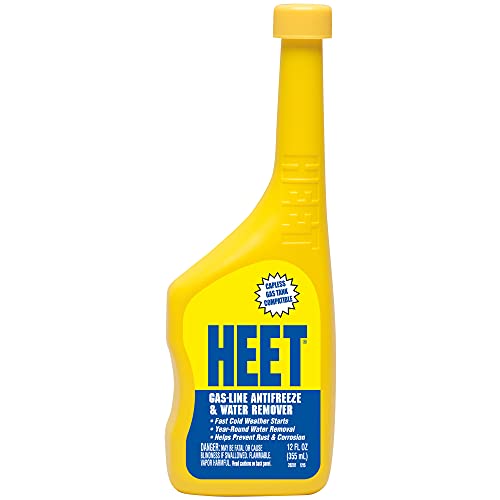

Melts ice & frost fast, -34 degrees F protection
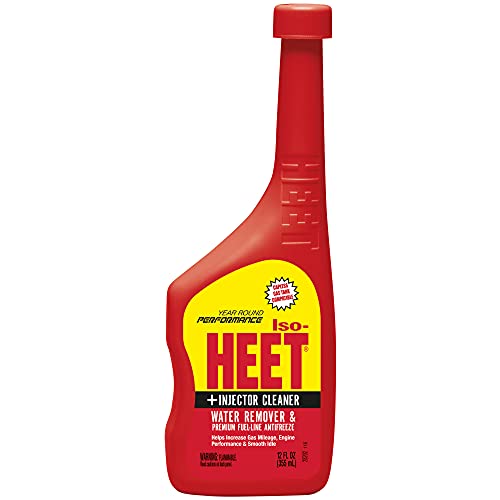
Benefits of Adding Heet
- Prevents Freezing: HEET’s antifreeze properties help prevent washer fluid from freezing. A consistent flow of washer fluid is crucial for visibility when driving in icy conditions.
- Enhances Cleaning: HEET contains solvents that improve cleaning ability. This can assist in removing stubborn grime, dirt, and bugs from your windshield.
- Quick Thawing: HEET acts as a de-icer, rapidly thawing ice and frost on your windshield. This quick action can save time when you’re in a rush.
- Versatile Use: Some HEET formulations double as both antifreeze and windshield washer fluid. This versatility means you can streamline your winter maintenance supplies.
- Chemical Reactions: Mixing HEET with other washer fluids may cause harmful reactions. Always check the labels before combining products to avoid unwanted chemical issues.
- Damage to Wiper Blades: Overuse of HEET can lead to damage. Continuous contact with harsh chemicals may degrade wiper material.
- Uneven Application: HEET may not distribute evenly within the washer fluid system. This unevenness can cause sporadic application, leading to streaks or insufficient cleaning.
- Visibility Issues: If used incorrectly, HEET could lead to poor visibility. If the concentration is too high, it may leave a film or residue on your windshield.
By understanding these aspects, you can make informed decisions about using HEET in your windshield washer fluid.
Alternatives to Heet in Windshield Washer Fluid
You can consider several alternatives to HEET for effective windshield cleaning and maintenance in cold weather. These options provide similar benefits without potential risks.
Recommended Products

Ultimate Visibility Solution: Embark on your journey with Maplefield's Windshield Washer Fluid Concentrate. This windshield cleaner provides clean and clear car windows, enhancing visibility for a safe and enjoyable driving experience

Ready-to-use formula

Improves the melting of light ice and frost
Commercial Additives
Several commercial additives are designed specifically for windshield washer fluids. These products usually contain antifreeze agents and can help maintain fluid performance during winter. Look for brands that:
- Contain Antifreeze: Ensure the product has antifreeze properties to prevent freezing.
- Mix Easily: Choose formulas that mix well with existing washer fluids.
- Offer Streak-Free Cleaning: Select options labeled as streak-free for optimal visibility.
Popular products include Prestone Windshield Washer Fluid, Rain-X De-Icer, and others. Always follow manufacturer instructions for optimal results.
DIY Solutions
You can create your own windshield washer fluid using common household ingredients. Here are two effective DIY recipes that serve as alternatives to HEET:
- Vinegar and Water Mixture:
- Ingredients: Mix 1 part vinegar with 3 parts water.
- Usage: Pour the mixture into your washer reservoir. Vinegar acts as a de-icer and cleaner.
- Alcohol Solution:
- Ingredients: Combine 1 part isopropyl alcohol (at least 70%) with 2 parts water.
- Usage: Pour it into the washer fluid reservoir. It prevents freezing and cleans effectively.
Always test these solutions on a small area first to ensure they don’t damage your windshield or wipers.
Conclusion
Using HEET in your windshield washer fluid can seem like a quick fix for icy conditions. While it has its perks like preventing freezing and improving cleaning, the risks might outweigh the benefits. You don’t want to compromise your visibility or damage your wiper blades.
Exploring safer alternatives can keep your windshield clear without the worries. Whether you opt for commercial products or DIY solutions you can whip up at home, there are plenty of ways to tackle winter weather. Just remember to test any new mixture on a small area first. Stay safe and keep your view clear this winter!
Frequently Asked Questions
What is HEET, and how is it used in windshield washer fluid?
HEET is a chemical product primarily used as an additive in windshield washer fluid. It helps prevent the fluid from freezing, improves cleaning efficacy, and quickly thaws ice and frost on windshields, making it useful in cold weather conditions.
What are the benefits of using HEET in windshield washer fluid?
Using HEET can prevent freezing of the washer fluid, enhance the cleaning power of the solution, and quickly thaw ice or frost, ensuring better visibility and safer driving during winter months.
What are the risks of using HEET in windshield washer fluid?
While HEET can be beneficial, it poses risks such as potential harmful chemical reactions with other products, damage to wiper blades, streaking on the windshield, and visibility issues, especially if used incorrectly.
What are some alternatives to HEET for windshield washer fluid?
Alternatives include commercial additives with antifreeze properties or DIY solutions like a vinegar and water mix or an alcohol solution. These options can provide similar benefits without the risks associated with HEET.
How should I test a new windshield washer fluid solution?
It’s advisable to test any new solution on a small, inconspicuous area of the windshield first. This precaution can help prevent potential damage to the glass or wiper blades, ensuring your chosen solution works safely.
