

Have you ever found yourself staring at a bottle of 5W-30 oil, wondering if it’s okay to use in your 0W-20 engine? You’re not alone. Many car owners face this dilemma, especially when they need an oil change but can’t find the exact type.
Key Takeaways
- Understand Viscosity Ratings: Engine oil’s viscosity rating, like 0W-20 and 5W-30, indicates performance in cold and hot temperatures, crucial for optimal engine health.
- Follow Manufacturer Recommendations: Always consult your vehicle’s owner manual for the recommended oil viscosity to maintain performance and avoid potential damage.
- Potential Risks of 5W-30 in 0W-20 Engines: Using 5W-30 oil in a 0W-20 engine can lead to increased oil thickness, reduced fuel efficiency, and potential engine wear, especially in cold conditions.
- Consider Benefits vs. Drawbacks: While 5W-30 oil may offer better high-temperature protection, it may also cause increased wear and warranty issues when used incorrectly.
- Impact on Fuel Efficiency: Thicker oil like 5W-30 can create additional resistance, negatively influencing fuel economy and overall vehicle performance.
- Be Aware of Warranty Implications: Using an unapproved oil viscosity could void your warranty, leading to costly repairs that may not be covered by the manufacturer.
Understanding Engine Oils
Engine oils play a crucial role in vehicle performance and maintenance. They help reduce friction, prevent wear, and maintain engine cleanliness. Understanding the types and ratings of engine oils assists in making informed decisions about your vehicle’s needs.
Viscosity Ratings
Viscosity ratings indicate how well oil flows at various temperatures. Oil is rated using the Society of Automotive Engineers (SAE) system. The first number, followed by a “W,” refers to the oil’s cold-weather performance, while the second number represents its hot-weather performance. For example, 0W-20 oil flows well in cold temperatures and offers effective lubrication at high temperatures, making it ideal for many modern engines. In contrast, 5W-30 oil maintains similar cold-weather performance but offers greater thickness at higher temperatures.
Types of Engine Oils
Engine oils fall into several categories, each serving different engine types and conditions. The main types include:
- Conventional Oil: Made from crude oil, this oil is the most basic and economical option. It works well for simple engines and routine maintenance.
- Synthetic Oil: Engineered from chemical compounds, synthetic oil offers superior lubrication and protection in extreme conditions. It’s ideal for high-performance engines.
- Synthetic Blend Oil: A mix of synthetic and conventional oils, it provides better protection than conventional oil while being more affordable than full synthetics.
- High-Mileage Oil: Formulated for engines with over 75,000 miles, high-mileage oils contain additives that help reduce leaks and wear.
Choosing the right oil for your engine can significantly impact its performance and longevity. Always refer to your vehicle’s owner manual for the manufacturer’s recommendations.
The Importance of Viscosity
Viscosity plays a crucial role in your engine’s performance and longevity. Understanding viscosity ratings helps you choose the right oil for your vehicle.
Recommended Products


Helps extend engine life, even in severe conditions

Advanced protection against the four main causes of engine breakdown: wear friction heat and deposits
What Is Viscosity?
Viscosity refers to a fluid’s resistance to flow. For engine oils, it’s the measure of how easily the oil moves at certain temperatures. The Society of Automotive Engineers (SAE) assigns viscosity grades. For instance, 0W-20 oil flows well in cold temperatures, while 5W-30 oil has a higher viscosity at operating temperature. Higher numbers indicate thicker oil, which can impact how well the oil lubricates and protects engine components.
How Viscosity Affects Engine Performance
Viscosity directly affects how oil performs in your engine. Lower viscosity oils, like 0W-20, provide better protection during cold starts. They flow more easily, ensuring immediate lubrication. Conversely, higher viscosity oils, such as 5W-30, offer improved protection at higher temperatures and can reduce wear during heavy load conditions.
Choosing the correct viscosity is essential. If you use 5W-30 oil in a 0W-20 engine, certain risks emerge. While the oil may provide adequate lubrication, it can lead to poor engine performance in cold weather and reduced efficiency. Fuel economy may decline, and potential engine damage may increase over time. Always refer to your owner’s manual for the recommended viscosity to maintain optimal engine health.
Can You Put 5W-30 Oil in a 0W-20 Engine?
Using 5W-30 oil in a 0W-20 engine raises important considerations about compatibility and engine health. Understanding these factors ensures you make the right choice for your vehicle.
Recommended Products


High Mileage for engines 75,000+ miles

3X Stronger than the leading full synthetic*
Manufacturer Recommendations
Manufacturer recommendations for oil viscosity are based on extensive testing. You should always consult your vehicle’s manual, as it provides specific viscosity ratings tailored to your engine. The manufacturer designed the engine for optimal performance with 0W-20 oil. Using 5W-30 instead could affect performance.
Potential Consequences
Using 5W-30 oil in a 0W-20 engine might lead to several consequences.
- Increased Oil Thickness: At lower temperatures, 5W-30 oil is thicker than 0W-20 oil. This can hinder oil circulation during cold starts.
- Fuel Efficiency Loss: Thicker oil may create added resistance during engine operation, reducing fuel efficiency.
- Engine Wear: If the oil cannot flow correctly, parts may wear out faster. This can lead to premature engine damage over time.
- Warranty Issues: Some manufacturers may void warranties for using incorrect oil viscosities. Check with your manufacturer to avoid possible issues.
Choosing the right oil is crucial for maintaining your vehicle’s performance and longevity.
Advantages and Disadvantages of Using 5W-30 Oil
Using 5W-30 oil instead of 0W-20 oil presents both advantages and disadvantages. Consider these factors carefully when deciding on oil choices for your engine.
Recommended Products
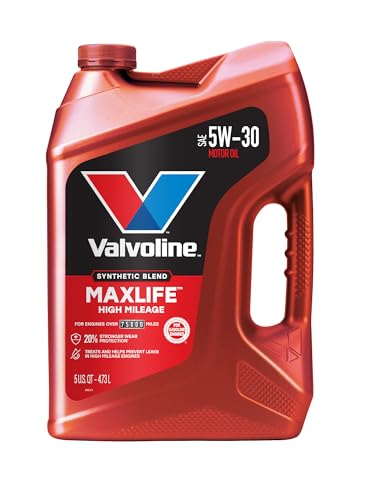
Formulated for engines with 75,000 miles or more, Valvoline MaxLife High Mileage synthetic blend is formulated with seal conditioners to help prevent oil leaks and reduce oil consumption

UNIVERSAL ENGINE COMPATIBILITY: Engineered for 4-cycle small engines including Briggs & Stratton, Kohler, Kawasaki, and Honda. Replaces part #100074. Always verify your engine manual for specific viscosity and capacity requirements before use.

Phosphorus Replacement Technology helps extend emission system life
Benefits of 5W-30 Oil
- Improved Protection in High Temperatures: 5W-30 oil provides better viscosity at elevated temperatures, offering optimal protection during hot-weather driving or when towing heavy loads.
- Enhanced Engine Performance: This oil can improve engine performance, particularly in vehicles under heavy loads or demanding conditions, thanks to its stable viscosity structure.
- Wider Temperature Range: 5W-30 offers effective lubrication in a broader temperature range, making it suitable for various driving conditions.
- Increased Engine Wear: Using 5W-30 oil in a 0W-20 engine can lead to increased friction, causing accelerated engine wear and potentially shortening engine life.
- Reduced Fuel Efficiency: This oil’s higher viscosity can impede fuel efficiency, leading to increased fuel consumption and decreased gas mileage.
- Warranty Issues: Some manufacturers explicitly state oil viscosity requirements. Using 5W-30 might void your warranty, leaving you liable for repair costs.
- Oil Circulation Problems: Cold starts may become problematic, as 5W-30 oil thickens in lower temperatures, resulting in hindered oil circulation during initial startup, increasing wear.
Conclusion
Choosing the right oil for your engine is key to keeping it running smoothly. While 5W-30 oil might seem like a tempting option for a 0W-20 engine due to its benefits in certain conditions, sticking to the manufacturer’s recommendations is always your best bet.
Using the correct viscosity helps ensure optimal performance and longevity for your vehicle. So next time you’re at the store or thinking about an oil change remember to check your owner’s manual. Taking this small step can save you from bigger problems down the road. Your engine will thank you for it.
Frequently Asked Questions
What is the primary function of engine oil?
Engine oil lubricates the engine parts, reducing friction and helping to prevent wear. It also helps cool the engine and cleans contaminants, ensuring optimal performance and longevity.
What are viscosity ratings in engine oil?
Viscosity ratings indicate the thickness of the oil and its ability to flow at different temperatures. A lower number means thinner oil, which flows better in cold conditions, while a higher number indicates thicker oil for warmer temperatures.
What types of engine oil are available?
The main types of engine oil are conventional, synthetic, synthetic blend, and high-mileage oils. Each type has specific benefits and is designed for different engine requirements and driving conditions.
Can I use 5W-30 oil instead of 0W-20?
Using 5W-30 oil in a 0W-20 engine may lead to issues like hindered oil circulation and increased engine wear. It’s crucial to follow the manufacturer’s viscosity recommendations to maintain engine performance.
What are the benefits of using 5W-30 oil?
5W-30 oil offers improved protection in high temperatures, enhances engine performance, and accommodates a wider temperature range, making it suitable for certain driving conditions.
What are the disadvantages of using 5W-30 oil in a 0W-20 engine?
Disadvantages include increased engine wear, reduced fuel efficiency, potential warranty issues, and problems with oil circulation. These factors can negatively affect the engine’s overall health.
How do I choose the right engine oil for my vehicle?
Consult your vehicle’s manual for the manufacturer’s recommended viscosity and type of engine oil. Choosing the correct oil is essential for optimal performance, protection, and reliability.
