

Ever found yourself running low on windshield washer fluid just when you need it most? You’re not alone. Many drivers face this dilemma and wonder if mixing washer fluid with water is a quick fix.
Key Takeaways
- Understanding Windshield Washer Fluid: It consists of essential components like water, surfactants, antifreeze agents, dyes, and sometimes fragrance, all aimed at ensuring clear visibility while driving.
- Mixing Guidelines: When low on fluid, consider mixing washer fluid with water using effective ratios such as 1:1 for general use or 3:1 in extreme cold, following manufacturer recommendations.
- Potential Risks: Be cautious of reduced cleaning effectiveness, freezing issues, and potential damage to the washer system when over-diluting washer fluid.
- Advantages of Using Pure Washer Fluid: It provides superior cleaning efficiency, prevents freezing in cold conditions, and supports the integrity of vehicle components better than water alone.
- Alternative Solutions: Homemade windshield washer solutions can be created using ingredients like vinegar and dish soap, offering a cost-effective option while keeping in mind the need for testing on car surfaces beforehand.
- Choosing Between Professional and DIY: Assess effectiveness, convenience, and cost when deciding between store-bought fluids and DIY options to ensure optimal windshield maintenance.
Understanding Windshield Washer Fluid
Windshield washer fluid plays a crucial role in maintaining visibility while driving. Knowing its components and purpose helps you make informed decisions about its use.
Ingredients in Windshield Washer Fluid
Windshield washer fluid typically contains the following ingredients:
- Water: Serves as the primary solvent, making up the largest portion of the fluid.
- Surfactants: These help break down dirt and grime on your windshield, making cleaning more effective.
- Antifreeze agents: Often include methanol or ethylene glycol, preventing the fluid from freezing in cold weather.
- Dyes: Added for color, making identification easier.
- Fragrance: Sometimes included to give a pleasant smell when sprayed.
Purpose of Windshield Washer Fluid
Windshield washer fluid serves several key functions:
- Cleaning: It removes dust, bugs, and road grime from your windshield.
- Visibility: By keeping the glass clean, it improves your view, enhancing safety during driving.
- Prevention: It helps prevent the buildup of ice in colder climates.
- Protection: The antifreeze properties protect washer nozzles from freezing during winter months.
Understanding these elements aids you in maintaining your vehicle effectively, especially when considering whether to mix it with water.
Can You Mix Windshield Washer Fluid With Water?
Mixing windshield washer fluid with water can be a practical solution when you’re low on washer fluid. However, understanding how to do this properly is essential for maintaining optimal performance.
Recommended Products

SUPER CONCENTRATED WASHER FLUID: 16 fl oz washer fluid bottle makes 165 gallons of summer blend washer fluid. Just pump three times per gallon of water, directly into your windshield washer fluid tank.
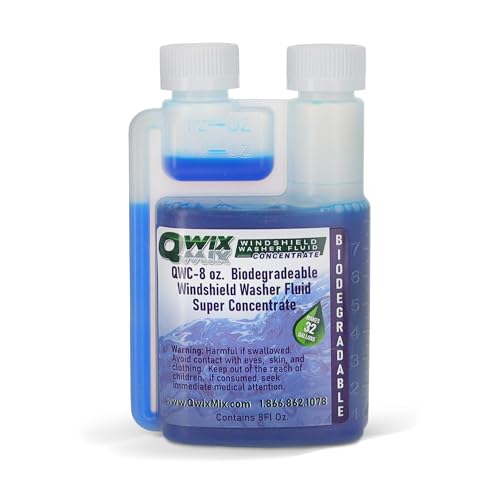
[Super Concentrated Savings] Qwix Mix windshield washer fluid concentrate makes up to 55 gallons of premium windshield washer fluid from one 8 oz bottle, saving money versus pre-mixed windshield washer fluids

Trusted Formula for Over 30 Years: Kristall Klar has been the choice for those who want a crystal clear view of the road ahead without the streaks and smears typical of standard washer fluids
Recommended Ratios for Mixing
For effective results, follow these recommended ratios when mixing washer fluid with water:
- 1:1 Ratio: Use equal parts of washer fluid and water for general cleaning. This mixture offers decent cleaning power while increasing the fluid volume.
- 1:2 Ratio: Mix one part washer fluid with two parts water in mild conditions. This dilution is acceptable for warm weather when ice or heavy grime isn’t a concern.
- 3:1 Ratio: In extreme cold conditions, use three parts washer fluid to one part water. This dilution ensures the fluid remains effective in preventing freezing.
Always check the manufacturer’s recommendations on the washer fluid label for specific guidance.
Potential Risks of Mixing
While mixing can seem convenient, certain risks may arise:
- Reduced Effectiveness: Water dilutes the cleaning agents in washer fluid. This dilution can lead to inadequate cleaning of dirt and grime.
- Freezing Problems: If the mix contains insufficient washer fluid during cold weather, the water may freeze, blocking the washer nozzles and impairing visibility.
- Damage to Components: Over-dilution can cause potential damage to your vehicle’s washer system. Corrosive materials in the fluid may not function effectively when mixed with water.
To ensure safe and effective visibility while driving, always prioritize using a proper windshield washer fluid formulation, particularly in extreme weather conditions.
Benefits of Using Windshield Washer Fluid Alone
Using windshield washer fluid alone offers several advantages. It enhances cleaning efficiency, provides protection against freezing, and helps maintain vehicle integrity.
Recommended Products

advanced Water beading technology leaves no streaks and is glare free

EXTREME COLD PROTECTION: Formulated to provide reliable -20°F freeze protection, keeping your windshield washer system functioning in harsh winter conditions

This item can no be shipped to the state in California, Техаs, Arizona please check with the manufacturer regarding warranty and support issues.
Efficiency in Cleaning
Windshield washer fluid is specifically formulated to cut through grime, dirt, and road debris effectively. Unlike water, which can leave streaks, washer fluid contains detergents that promote thorough cleaning. When you use pure washer fluid, you achieve better visibility and a clearer windshield. Look for fluids that include anti-foaming agents to ensure optimal performance.
Protection Against Freezing
Windshield washer fluid typically contains antifreeze components that prevent it from freezing in low temperatures. Water alone can freeze easily, creating blockages in your washer system and making it ineffective. Proper washer fluid maintains fluidity even in extreme cold, ensuring your windshield stays clean and clear no matter the weather. For added protection, choose fluids designed for winter use, which offer enhanced antifreeze capabilities.
Alternative Solutions to Consider
You can explore several alternatives to store-bought windshield washer fluid. These options can save money and provide effective cleaning when you’re in a pinch.
Recommended Products

One Bottle Beats Four: One 16 fl oz bottle makes up to 4 gallons of washer fluid at the 60F mix; replaces four gallon jugs and rides in the cab, toolbox, or door pocket with no water to haul

Melts ice & frost fast, -34 degrees F protection

EFFORTLESS CLEANING: Enjoy hassle-free maintenance with ABRO's pre-mixed windshield wiper fluid formula, saving you time and effort in preparing the solution for streak-free clarity.
Homemade Windshield Washer Solutions
Creating a homemade windshield washer fluid is simple. Use common household items to mix your solution. Here’s a basic recipe:
- Mix water and vinegar: Combine 1 part vinegar with 3 parts water for a natural cleaner that cuts through grime.
- Add dish soap: A few drops of a mild dish soap enhance the cleaning power. Keep it minimal to avoid excessive suds.
- Store in a clean container: Use a clean spray bottle to store the mixture. Proper storage ensures the solution remains effective.
Always test your homemade fluid on a small area first. This step prevents any potential adverse reactions with your vehicle’s components.
Professional Products vs. DIY Solutions
Choosing between professional products and DIY solutions depends on specific needs and conditions. Consider these factors:
- Effectiveness: Commercial washer fluids contain specialized ingredients for enhanced cleaning and freezing protection. DIY options work well but may lack high-performance traits.
- Convenience: Pre-mixed professional fluids offer convenience, especially in extreme weather. Mixing your solution requires preparation and may not be practical in urgent situations.
- Cost Efficiency: DIY solutions are generally cheaper. Assess long-term costs against convenience and performance needs for your vehicle.
Weigh the pros and cons of each option. This approach ensures you select the best solution for your windshield cleaning needs.
Conclusion
Choosing the right windshield washer fluid is key to keeping your visibility clear on the road. While mixing washer fluid with water can be tempting it’s important to consider the potential impact on performance. If you decide to go the DIY route remember that homemade solutions can work well but may not always match the effectiveness of store-bought options.
Ultimately it’s about finding what works best for you and your vehicle. Keep your windshield clean and your driving safe by making informed choices about your washer fluid. Your safety is worth it!
Frequently Asked Questions
What is the importance of windshield washer fluid?
Windshield washer fluid is essential for maintaining visibility while driving. It helps to remove dirt, grime, and debris from the windshield, ensuring clear vision. Using the right washer fluid improves safety on the road, especially during adverse weather conditions.
Can I mix washer fluid with water?
Yes, you can mix washer fluid with water, but it’s important to follow the manufacturer’s recommendations. Using too much water can reduce its effectiveness. Always ensure you’re using safe formulations to maintain visibility and prevent damage.
What are DIY alternatives to store-bought washer fluid?
DIY alternatives include mixtures of water, vinegar, and dish soap. These homemade options can effectively clean your windshield and are often more cost-efficient. However, they may not offer the same effectiveness as professional products, especially in extreme conditions.
How do professional products compare to DIY solutions?
Professional windshield washer fluids are formulated for maximum effectiveness and can handle tough grime and weather conditions. DIY solutions are generally less expensive but may not be as convenient or effective. Weighing the pros and cons can help determine the best choice for your needs.
