

Have you ever found yourself with an almost empty bottle of summer windshield washer fluid just as winter sets in? It’s a frustrating moment when you realize you need to switch fluids but don’t want to waste what you already have. You might wonder if mixing summer and winter washer fluid is a smart move or if it could cause more problems.
In this article, we’ll explore whether it’s safe to combine these two types of fluids. You’ll learn about the differences in their formulations and what that means for your vehicle. By the end, you’ll know exactly how to keep your windshield clear, no matter the season.
Key Takeaways
- Season-Specific Formulations: Summer windshield washer fluid lacks antifreeze agents and may freeze in cold temperatures, while winter fluid is designed to prevent freezing and manage ice build-up.
- Mixing Fluids is Not Advised: Combining summer and winter washer fluids can dilute antifreeze properties, leading to potential freezing and reduced cleaning effectiveness.
- Pros and Cons of Mixing: While mixing fluids can temporarily use up leftovers, it poses risks such as clogged systems, compromised visibility, and increased freezing risk.
- Recommended Seasonal Transitions: To maintain safety and visibility, switch your washer fluid according to the season, and always flush the system when transitioning between summer and winter fluids.
- Regular Maintenance: Ensure the windshield washer system is functioning correctly by monitoring fluid levels, inspecting components, and using quality fluids suited to your climate.
Understanding Windshield Washer Fluids
Windshield washer fluids play a crucial role in maintaining visibility while driving. Choosing the right fluid for the season can enhance performance and ensure safety.
Types of Windshield Washer Fluids
- Summer Washer Fluids: These fluids typically contain a milder formula to tackle dirt and road grime. They’re less concentrated and may freeze in temperatures below 32°F (0°C).
- Winter Washer Fluids: Formulated for colder conditions, these fluids include antifreeze agents that prevent freezing on windshields. They often contain stronger detergents to eliminate ice and snow build-up.
- All-Season Washer Fluids: Designed for versatility, all-season fluids combine features of summer and winter formulations. These fluids can handle a range of temperatures but may not perform as effectively in extreme weather.
Importance of Seasonal Considerations
Considering the season when selecting windshield washer fluid is vital. Using summer fluid in winter could lead to performance issues, such as freezing and reduced clarity due to ice formation. Conversely, employing winter fluid in summer may lead to streaking or foaming because of the higher concentrations of detergent used.
To maintain optimal visibility, switch fluids according to seasonal demands. Use a winter formulation when temperatures drop, and change to a summer fluid when the weather warms up.
Mixing Summer and Winter Washer Fluids
Mixing summer and winter windshield washer fluids is not advisable due to differences in their chemical compositions and the effects that can occur. Understanding these differences helps maintain optimal visibility and performance during different seasons.
Recommended Products

EXTREME COLD PROTECTION: Formulated to provide reliable -20°F freeze protection, keeping your windshield washer system functioning in harsh winter conditions

advanced Water beading technology leaves no streaks and is glare free

Trusted Formula for Over 30 Years: Kristall Klar has been the choice for those who want a crystal clear view of the road ahead without the streaks and smears typical of standard washer fluids
Chemical Composition Differences
Summer washer fluids typically contain a lower concentration of water and often include solvents that enhance cleaning power. These fluids focus on extracting bugs, dirt, and grime, which are more prevalent during warmer months. Winter washer fluids, on the other hand, contain antifreeze agents, such as methanol or ethanol, to prevent the fluid from freezing in cold temperatures. This antifreeze component thins the fluid, allowing it to work effectively even in sub-zero conditions. Mixing the two can dilute antifreeze properties, leading to inadequate protection against freezing.
Effects of Mixing
Mixing summer and winter washer fluids can lead to several issues. One major effect is freezing, as the diluted antifreeze levels may not be sufficient to handle frigid temperatures, resulting in an obstructed windshield. Another concern is reduced cleaning capability. The combined fluids may form deposits or layers that can streak or smear, reducing your visibility while driving. Furthermore, operational incompatibility may cause your washer system to experience clogged lines or pump failures. To ensure clear visibility and an effective system, it’s best to use one type of fluid at a time, corresponding to the season’s demands.
Pros and Cons of Mixing Fluids
Mixing summer and winter windshield washer fluid has both pros and cons that affect your vehicle’s performance. Here’s a closer look:
Recommended Products
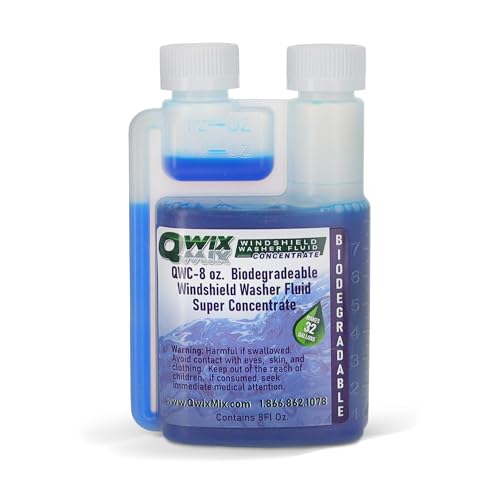
[Super Concentrated Savings] Qwix Mix windshield washer fluid concentrate makes up to 55 gallons of premium windshield washer fluid from one 8 oz bottle, saving money versus pre-mixed windshield washer fluids

Safer, Plant-Derived Ethanol Formula: Renewable, plant-based alternative to petroleum & methanol. Safer for families & pets

Melts ice & frost fast, -34 degrees F protection
Advantages of Mixing
- Availability: Mixing fluids can offer a solution if you run out of one type. Combining what you have on hand can keep your washer system functional temporarily.
- Cost-Effective: Using leftover summer and winter fluid can reduce waste, especially if you’re transitioning from one season to another. You can use up the remaining fluid rather than discarding it.
- Enhanced Cleaning: In some instances, mixing fluids might provide better cleaning performance. For example, if the summer formula has superior dirt removal properties, combining with winter fluid could help during wet conditions.
- Reduced Effectiveness: Mixing different formulas can dilute the antifreeze properties in winter fluid, leading to a higher risk of freezing in colder temperatures.
- Clogged System: Varying chemical compositions can lead to residue buildup or clogs in the windshield washer system. This may cause malfunctions or reduce fluid spray efficiency.
- Compromised Visibility: If cleaning power decreases due to mixing, it may lead to streaks or smear on your windshield. Poor visibility can create unsafe driving conditions.
By weighing these pros and cons, you can make a more informed decision regarding windshield washer fluid choices.
Recommended Practices for Windshield Washer Fluids
Choosing the right windshield washer fluid and maintaining your washer system is crucial for safe driving. Here are some best practices to follow.
Recommended Products

This item can no be shipped to the state in California, Техаs, Arizona please check with the manufacturer regarding warranty and support issues.

Windshield washer: 1 piece of concentrated cleaning tablet is equivalent to 1.05 gallon of glass cleaning fluid, with strong cleaning power, can easily clean the dust and stains on your windshield, make the windshield clean, and ensure the driving safety of the car

One Bottle Beats Four: One 16 fl oz bottle makes up to 4 gallons of washer fluid at the 60F mix; replaces four gallon jugs and rides in the cab, toolbox, or door pocket with no water to haul
Best Practices for Seasonal Transitions
- Switch Fluids Seasonally: Use winter fluid that contains antifreeze to prevent freezing during cold months. Summer fluid should offer improved cleaning properties for warmer weather. Regularly switch between the two to meet season demands.
- Flush the System: Before switching from winter to summer fluid (or vice versa), flush your washer system. This helps remove any residual fluid that may affect the new mixture’s efficacy.
- Monitor Fluid Levels: Keep an eye on fluid levels. Low levels can lead to streaks during use. Fill your reservoir with the appropriate seasonal fluid as needed.
- Refer to Labels: Check labels for temperature recommendations and properties. Some fluids perform better under specific conditions, ensuring optimal visibility and cleaning performance.
- Inspect Components Regularly: Check hoses, nozzles, and reservoirs for leaks or blockages. Ensure everything functions correctly to maintain fluid flow.
- Use Quality Fluids: Invest in quality washer fluids specifically designed for your climate. Avoid mixing brands, as different formulations may react poorly together.
- Clean Nozzles: Regularly clean or unclog spray nozzles to ensure even distribution of fluid. A small pin can help clear any blockages without damaging the nozzle.
- Store Properly: Store washer fluid in a cool, dry place. Temperature fluctuations can affect its performance. Keep unused fluid sealed and out of sunlight.
- Keep it Topped Off: Always keep your washer fluid reservoir filled. Neglecting this simple task can reduce cleaning effectiveness, especially in adverse weather conditions.
Conclusion
Choosing the right windshield washer fluid for the season is key to keeping your visibility clear and your driving safe. Mixing summer and winter fluids might seem convenient but can lead to problems like freezing and reduced cleaning power.
By sticking to seasonal recommendations and following best practices for maintenance, you can keep your windshield washer system running smoothly. Regularly check your fluid levels and make sure to flush the system when switching between seasons.
Taking these steps ensures you’re ready for whatever weather comes your way. Stay safe and drive clear!
Frequently Asked Questions
What types of windshield washer fluid are there for different seasons?
There are primarily three types: summer, winter, and all-season windshield washer fluids. Summer fluids are designed to provide effective cleaning in warm temperatures, while winter fluids contain antifreeze agents to prevent freezing. All-season fluids can be used year-round, but they may not perform as well under extreme conditions.
Why is it important to choose the right windshield washer fluid?
Choosing the right windshield washer fluid is crucial for maintaining visibility and driving safety. Different seasons can affect fluid performance, and using an unsuitable fluid may lead to freezing, reduced cleaning capability, and potential system malfunctions.
Can I mix different types of windshield washer fluid?
Mixing different types of windshield washer fluids is not recommended. Combining fluids can dilute important properties, such as antifreeze, leading to reduced effectiveness in cleaning and potential freezing issues in colder temperatures.
How often should I switch my windshield washer fluid?
It’s a good practice to switch your windshield washer fluid seasonally. Before transitioning from winter to summer fluids or vice versa, it’s best to flush the system to ensure optimal performance and avoid mixing incompatible fluids.
What are some best practices for using windshield washer fluid?
Best practices include regularly checking fluid levels, using quality fluids, cleaning nozzles, properly storing fluids, and keeping the reservoir topped off. Additionally, inspect your system components regularly and follow label recommendations for the best maintenance.
How can I ensure my windshield washer system stays functional?
To keep your windshield washer system in good working order, monitor fluid levels, use the right type of fluid for the season, clean the nozzles, and inspect components regularly for wear and tear. Proper maintenance ensures optimal cleaning performance.
