

Ever wondered if it’s okay to mix different brands of DOT 3 brake fluid in your vehicle? Picture this: you’re due for a brake fluid top-up, but you have two half-full bottles from different manufacturers. Should you combine them, or is it safer to stick with one brand?
Key Takeaways
- Understanding DOT 3 brake fluid is essential for safe and effective operation of your vehicle’s braking system.
- It is generally safe to mix different brands of DOT 3 brake fluid, but flushing the entire braking system is recommended when switching between different types or grades.
- Stick to reputable brands known for quality and compatibility to avoid potential issues with mixing brake fluids.
- Regular maintenance, including checking and replenishing brake fluid levels, is crucial for optimal safety and performance of your vehicle’s braking system.
Understanding DOT 3 Brake Fluid
DOT 3 brake fluid is a crucial component in your vehicle’s braking system. It’s essential to understand its properties and characteristics to ensure safe and effective operation.
What Is DOT 3 Brake Fluid?
DOT 3 brake fluid is a type of hydraulic fluid specifically formulated for use in automotive brake systems. It belongs to the Department of Transportation’s (DOT) standard specifications for brake fluids. This type of brake fluid is glycol-based, making it hygroscopic, which means it absorbs moisture over time from the surrounding environment.
- Boiling Point: One key property of DOT 3 brake fluid is its boiling point, which typically ranges between 401°F – 475°F (205°C – 246°C). This high boiling point helps prevent the formation of vapor bubbles within the braking system, ensuring optimal performance even under extreme conditions.
- Compatibility: DOT 3 brake fluid is compatible with most vehicles designed to use this specific type of hydraulic fluid. However, it’s important to check your vehicle’s manual or consult with a mechanic to confirm compatibility before adding or changing fluids.
- Mixing Brands: While it’s generally safe to mix different brands of DOT 3 brake fluid due to their similar composition and properties, it’s recommended to flush out the entire braking system if switching between different types or grades of brake fluids. This ensures proper mixing and avoids potential issues that may arise from incompatible formulations.
- Maintenance: Regular maintenance of your vehicle’s braking system, including checking and replenishing brake fluid levels as needed, is essential for safety and performance. Follow manufacturer recommendations for scheduled inspections and replacements to keep your brakes functioning optimally.
By understanding the nature of DOT 3 brake fluid and its key properties, you can make informed decisions regarding maintenance and ensure the safety and efficiency of your vehicle’s braking system.
Can You Mix Different Brands of DOT 3 Brake Fluid?
When it comes to mixing different brands of DOT 3 brake fluid, it’s generally safe to do so. However, there are some important considerations to keep in mind to ensure the proper functioning of your vehicle’s braking system.
Recommended Products

Provides an extra margin of safety in extreme braking conditions (packaging may vary)

Exceeds DOT 3 regulations: Formulated to meet or surpass DOT 3 requirements, ensuring consistent braking performance and dependable stopping power in all conditions

Mixes well with conventional fluids
Chemical Composition Considerations
DOT 3 brake fluid is standardized across brands in terms of its chemical composition. This standardization means that most DOT 3 fluids are compatible with each other, allowing for safe mixing without causing any adverse reactions within the brake system.
Potential Risks and Effects
While mixing different brands of DOT 3 brake fluid is usually safe, it’s essential to note that certain additives or formulations specific to a particular brand may not be compatible with others. This could potentially lead to issues such as decreased performance or compromised safety.
To mitigate any risks associated with mixing different brands of DOT 3 brake fluid, consider the following tips:
- Stick to reputable brands known for their quality and compatibility.
- If unsure about compatibility, opt for a complete system flush when switching between brands.
- Regularly check your vehicle’s brake fluid levels and condition to ensure optimal performance and safety.
By being mindful of these considerations and taking necessary precautions, you can confidently maintain your vehicle’s braking system without compromising safety or performance.
Guidelines for Mixing Brake Fluids
When it comes to mixing different brands of DOT 3 brake fluid in your vehicle, there are some important guidelines to follow to ensure safety and optimal performance. Here are key considerations to keep in mind:
Recommended Products

Genuine Honda part that fits your specific vehicle

Helps provide protection against brake failure from vapor lock
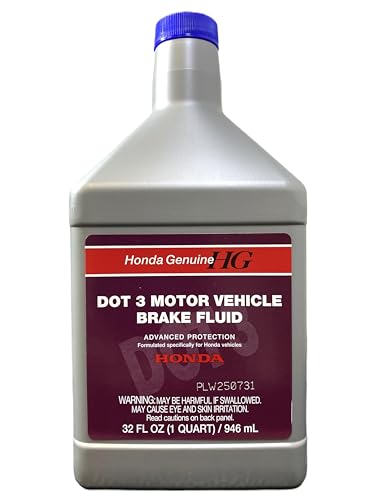
Advanced Protection
Best Practices for Safety
- Stick to the Same Type: It’s crucial to mix only brake fluids that are the same type, such as DOT 3, to prevent any potential chemical reactions that could compromise braking performance.
- Check Compatibility: While most DOT 3 fluids are generally compatible, it’s advisable to check with the manufacturers or consult your vehicle’s manual for any specific recommendations on mixing different brands.
- Avoid Contamination: When adding new brake fluid, make sure the container is clean and free from dirt or debris that could contaminate the fluid and affect its properties.
- Bleed the System: If you’re unsure about compatibility or have mixed different brands, consider bleeding the brake system to remove any air bubbles and ensure proper fluid circulation.
- Follow OEM Guidelines: Always adhere to the manufacturer’s recommendations when it comes to selecting and mixing brake fluids. They know your vehicle best and can provide valuable insights into compatibility issues.
- Consider Flushes: If you’re switching between different brands or types of brake fluids, it’s wise to perform a complete system flush. This helps remove any residual old fluid and ensures a fresh start with the new mixture.
By following these guidelines and manufacturer recommendations, you can safely mix different brands of DOT 3 brake fluid in your vehicle while maintaining optimal braking efficiency and safety standards.
Alternatives to Mixing Different Brands
When it comes to choosing brake fluid, sticking with the same brand is generally recommended. However, if you find yourself in a situation where you need an alternative, here are some options to consider:
Recommended Products

Dot 3 & 4 Compatibility: This full synthetic, high performance product is designed to meet the requirements of 99% of the vehicles on the road today; Fully compatible with all types of electronic brake sensors and systems including Dot 3 and Dot 4 systems.
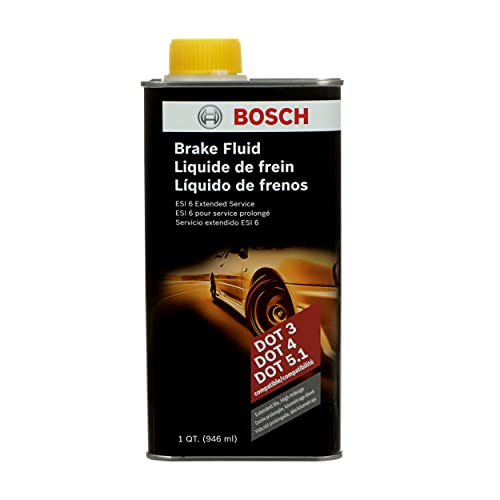
[NEXT GENERATION FLUID] - Bosch ESI6 is a next generation brake fluid designed for today's modern braking systems and is the first fluid to simultaneously combine both low viscosity and high wet boiling point (365 Degrees Fahrenheit)

Ideal for hydraulic and disc brakes
Using Universal DOT 3 Brake Fluids
Universal DOT 3 brake fluids are designed to be compatible with various vehicle makes and models. These fluids meet the standard requirements for most vehicles that specify DOT 3 fluid. Opting for a universal DOT 3 brake fluid can be a safe choice when you need to top up your brake fluid and cannot access the exact brand currently in use.
When to Choose a Brand-Specific Fluid
In cases where you prefer or require a specific brand of brake fluid due to manufacturer recommendations or personal preference, opting for a brand-specific fluid is advisable. Brand-specific fluids may offer enhanced performance characteristics tailored to certain vehicles or systems. If your vehicle’s manual suggests using a particular brand of DOT 3 brake fluid, it’s best to adhere to these guidelines for optimal performance and compatibility.
By considering these alternatives when selecting brake fluid, you can make informed decisions that prioritize the safety and efficiency of your vehicle’s braking system. Remember always to consult your vehicle’s manual or manufacturer recommendations before making any changes to ensure compatibility and maintain peak performance.
Conclusion
Remember, when it comes to mixing different brands of DOT 3 brake fluid, it’s best to stick with the same brand if possible. However, universal DOT 3 fluids can provide compatibility across various vehicles. Manufacturer recommendations and personal preferences should guide your choice, ensuring safety and efficiency in maintaining your vehicle’s braking system. Always prioritize safety by consulting your vehicle’s manual or manufacturer for optimal performance. Regular maintenance checks are crucial for the upkeep of your brake system. By making informed decisions based on these guidelines, you can keep your brakes in top condition and ensure smooth driving experiences ahead.
Frequently Asked Questions
What is DOT 3 brake fluid?
DOT 3 brake fluid is a glycol-based hydraulic fluid with a high boiling point, crucial for preventing vapor bubbles in the braking system.
Why is it important to flush the brake system when switching types of DOT 3 brake fluid?
Flushing the brake system ensures complete removal of old fluid, preventing potential compatibility issues or reduced performance caused by mixing different types of DOT 3 brake fluids.
Can different brands of DOT 3 brake fluid be mixed?
It’s recommended to stick with the same brand when adding more fluid. However, universal DOT 3 brake fluids can provide compatibility across various vehicle types as an alternative.
When should I opt for brand-specific DOT 3 brake fluids?
Choose brand-specific fluids when manufacturer recommendations or personal preferences suggest doing so for optimal performance and compatibility with your vehicle’s braking system.
