

Ever found yourself with a nearly empty windshield washer fluid reservoir and two different colors of fluid in your garage? You’re not alone. Many drivers wonder if mixing blue and green washer fluid is safe or if it could cause more harm than good.
In this article, you’ll get the answers you need to make an informed decision. We’ll explore the potential effects of mixing these fluids and offer tips to keep your windshield clean and clear. By the end, you’ll know exactly how to handle your washer fluid situation without any worries.
Key Takeaways
- Understanding Fluid Types: Windshield washer fluids come in various formulations including conventional, antifreeze, and de-icing types, each suitable for different weather conditions.
- Effects of Mixing: Combining blue (antifreeze) and green (less freeze protection) fluids may enhance cleaning but can dilute freeze protection and lead to chemical reactions.
- Manufacturer Guidelines: Mixing washer fluids can void vehicle warranties; always check your vehicle’s recommendations before combining different types.
- Best Practices: To safely mix fluids, check labels for compatibility, conduct a test mix, and prefer using fluids from the same brand to minimize risks.
- Consider Climate Conditions: Choose the appropriate fluid color based on your local climate to ensure optimal performance and protection of your windshield.
- Consult Experts: When in doubt, seek advice from automotive professionals to ensure you’re using the right type of washer fluid for your vehicle’s needs.
Understanding Windshield Washer Fluid
Windshield washer fluid comes in various colors and formulations. Understanding these components helps you make informed choices regarding mixing fluids.
Types of Windshield Washer Fluids
- Conventional Fluids: These fluids often contain water, detergents, and alcohol. They help remove dirt and grime but may freeze in cold temperatures.
- Antifreeze Fluids: Formulated with additives, these fluids prevent freezing and provide better cleaning in winter conditions. They’re ideal for areas prone to snow and ice.
- De-Icing Fluids: These fluids melt ice and snow on the windshield, ensuring visibility during harsh weather.
- Blue Fluids: Typically contain antifreeze agents, providing protection against freezing.
- Green Fluids: Often feature a base of methanol or ethanol, suitable for warmer climates. Green washer fluids usually do not prevent freezing very well.
- Pink Fluids: Mainly include special additives, which can enhance cleaning power or provide additional protection for your windshield.
Knowing the specific formulation and intended use of each type simplifies the process of maintaining your vehicle’s windshield clarity.
The Science Behind Mixing Washer Fluids
Understanding the chemical components of washer fluids helps determine if mixing blue and green fluids is safe. Each color indicates specific additives and formulations, which can affect performance and safety.
Recommended Products

Removes and repels the toughest road grime
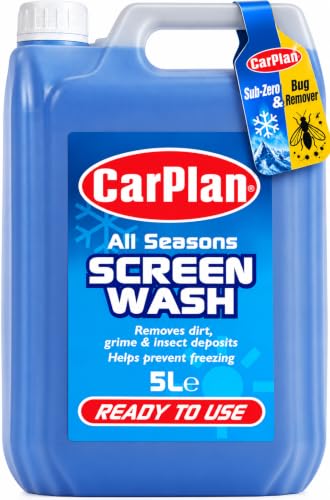
READY TO USE FORMULA: Pre-mixed 169 Fl Oz windshield washer fluid saves time and effort with no dilution needed; simply pour and go for instant cleaning performance.

Stens replacement parts have become a favorite among lawn and landscape professionals thanks to exceptional performance.
Chemical Composition of Blue Washer Fluid
Blue washer fluid typically contains methanol, a common antifreeze agent. Methanol lowers the freezing point, protecting against ice formation. Additionally, blue fluids may contain detergents and dyes for improved cleaning and visibility. For certain conditions, blue fluid can effectively remove grime, bugs, and road salt from your windshield.
Chemical Composition of Green Washer Fluid
Green washer fluid often includes a combination of water, ethanol, and various cleaning agents. Unlike blue fluids, green solutions may perform better in warmer climates. Their antifreeze capabilities aren’t as robust, making them less effective in extreme cold. Green fluids generally focus on providing adequate cleaning without the same level of freeze protection offered by blue solutions.
The specific chemical compositions of blue and green washer fluids differ significantly, impacting their overall effectiveness. Mixing these fluids can lead to unpredictable results, potentially affecting performance and windshield clarity.
Effects of Mixing Blue and Green Washer Fluid
Mixing blue and green windshield washer fluids can produce unpredictable results. Understanding potential benefits and risks helps you make informed decisions about fluid combinations.
Recommended Products

EFFORTLESS CLEANING: Enjoy hassle-free maintenance with ABRO's pre-mixed windshield wiper fluid formula, saving you time and effort in preparing the solution for streak-free clarity.

Trusted Formula for Over 30 Years: Kristall Klar has been the choice for those who want a crystal clear view of the road ahead without the streaks and smears typical of standard washer fluids

Melts ice & frost fast, -34 degrees F protection
Potential Benefits
- Cleaning Performance: Combining blue and green fluids could enhance cleaning abilities. Blue fluid contains methanol, which improves cleaning performance. Mixing may address tough grime in various conditions.
- Cost Efficiency: Mixing fluids might reduce costs by making the most of what you already have. If you have leftover fluids, blending them can extend your supply without an immediate purchase.
- Versatility: If you drive in mixed weather conditions, a blend can provide some frost protection while maintaining cleaning efficiency.
- Reduced Effectiveness: Mixing may dilute antifreeze properties, leading to less effective freeze protection. For winter conditions, this dilution could compromise windshield clarity.
- Chemical Reactions: Different chemical compositions can cause unexpected reactions. These reactions might produce a scum or sediment that affects fluid performance.
- Warranty Concerns: Using mixed fluids can void vehicle warranties. Manufacturers often recommend sticking to specific types to ensure optimal performance. Always check your vehicle’s guidelines before mixing.
Evaluate these effects thoroughly to determine if mixing blue and green washer fluids suits your needs.
Recommendations for Safe Use
Mixing windshield washer fluids requires careful consideration of their compositions and intended purposes. Following specific practices can ensure safe use.
Recommended Products

Ready-to-use formula

EXTREME COLD PROTECTION: Formulated to provide reliable -20°F freeze protection, keeping your windshield washer system functioning in harsh winter conditions

Safer, Plant-Derived Ethanol Formula: Renewable, plant-based alternative to petroleum & methanol. Safer for families & pets
Best Practices for Mixing Fluids
- Check Fluid Labels: Always review the labels on both blue and green fluids. Look for compatibility notes or warnings provided by the manufacturer.
- Conduct a Test Mix: In a small container, mix equal parts of both fluids. Observe any changes in color, texture, or separation. This helps identify potential issues before using it in your vehicle.
- Avoid Direct Mixing: Don’t mix fluids in the reservoir. Severe reactions can occur. If you suspect a mix has already happened in the reservoir, drain and flush it completely before adding new fluid.
- Use Same Brand When Possible: Stick to mixing fluids from the same brand. Manufacturers develop formulations that work best together, reducing the risk of adverse reactions.
- Choose One Type of Fluid: Select either blue or green fluid according to your needs based on climate. This avoids confusion and ensures the best protection for your windshield.
- Flush and Replace: If you’ve already mixed fluids, consider flushing the system entirely. Replace with fresh fluid, tailored to your specific environment.
- Consult with Experts: If unsure, reach out to an automotive professional. They can provide guidance suited to your vehicle and local driving conditions.
- Read Product Reviews: Look for feedback from other users regarding mixed fluids. This can provide insight into any potential issues experienced by others.
Adhering to these recommendations helps maintain your vehicle’s performance while ensuring safety.
Conclusion
Mixing blue and green windshield washer fluid isn’t just a simple choice. It can affect your vehicle’s performance and safety. By following the guidelines provided you can avoid potential issues and ensure your washer system works effectively. Always pay attention to the labels and consider sticking to one type of fluid for the best results. When in doubt consult an expert or do a little research. Keeping your windshield clean shouldn’t be a hassle so take the extra steps to make sure you’re using the right products. Your vehicle will thank you for it.
Frequently Asked Questions
What are the different types of windshield washer fluids?
Windshield washer fluids come in various types, including standard cleaning solutions, antifreeze formulas, and specialized fluids for winter weather. Each type serves a specific purpose, such as enhancing visibility or protecting the windshield from freezing.
Can I mix different brands of windshield washer fluid?
Mixing different brands is not recommended, as their chemical compositions may vary. This can lead to unpredictable results and reduce the effectiveness of the fluid. It’s best to stick with the same brand for optimal performance.
What should I check before mixing windshield washer fluids?
Before mixing, always check the labels for the ingredients and recommended uses. Ensure that the fluids are compatible and consider conducting a small test mix to observe any adverse reactions.
Is it safe to mix windshield washer fluids in the reservoir?
No, it’s not safe to mix fluids directly in the reservoir. This can cause foaming or chemical reactions that may damage the system. Instead, flush the reservoir before adding a new type of fluid.
How do I flush and replace mixed windshield washer fluids?
To flush mixed fluids, drain the reservoir completely, refill it with water, and activate the washer system until the old fluid is cleared. Repeat this process multiple times before adding the new fluid type.
Should I consult an expert before mixing fluids?
Yes, consulting with a professional or referring to the owner’s manual can provide helpful guidance on the compatibility and safety of mixing different windshield washer fluids.
Are there any reviews for specific windshield washer fluids I should consider?
Yes, reading product reviews can help you find the best windshield washer fluid for your needs. Look for fluids with high ratings for cleaning effectiveness, streak-free results, and safety in various weather conditions.
