

Have you ever run out of washer fluid right when you need it the most? It’s a frustrating situation, especially when those pesky bugs and dirt are blocking your view. Instead of rushing to the store, you might wonder if you can whip up your own solution at home.
Making your own washer fluid isn’t just a convenient option; it can also save you some cash. With just a few simple ingredients, you can create an effective fluid that keeps your windshield clean and clear. In this article, you’ll discover easy recipes and tips to help you tackle this common problem with confidence.
Key Takeaways
- Homemade Washer Fluid is Feasible: You can easily make your own washer fluid using common household ingredients like water, vinegar, and dish soap, saving you time and money.
- Basic Recipe Essentials: A simple recipe consists of 1 gallon of distilled water, 1 cup of white vinegar, and 1-2 tablespoons of mild dish soap for effective cleaning.
- Winter Preparation: For winter conditions, substitute vinegar with 1 cup of isopropyl alcohol to prevent freezing, along with the same base ingredients.
- Environmental Benefits: Homemade solutions minimize environmental impact by avoiding harmful chemicals found in commercial fluids and reducing plastic waste.
- Safety First: Always use non-toxic ingredients, wear protective gear when mixing, and store solutions in clearly labeled containers to ensure safety.
- Customizable Variants: You can refine your washer fluid with additional ingredients like essential oils for scent, or washing soda for enhanced cleaning power while maintaining a streak-free windshield.
Can You Make Your Own Washer Fluid?
Yes, you can make your own washer fluid at home. Homemade washer fluid is simple to create and can save you money. Here are some effective recipes and tips.
Basic Recipe
- Water: Start with 1 gallon of distilled water.
- Vinegar: Add 1 cup of white vinegar. This will help clean your windshield.
- Dish Soap: Mix in 1-2 tablespoons of a mild dish soap to cut through grime.
Instructions: Combine the ingredients in a clean container. Shake gently to mix. Use this solution in your washer fluid reservoir.
Alternative Recipe for Winter
- Water: Use 1 gallon of distilled water.
- Isopropyl Alcohol: Add 1 cup of isopropyl alcohol (at least 70% concentration). This prevents freezing.
- Dish Soap: Stir in 1 tablespoon of mild dish soap.
Instructions: Mix the ingredients in a suitable container. This formula works well for cold weather.
Key Tips
- Container: Store your homemade fluid in a labeled container to avoid confusion.
- Avoid Anti-freeze: Don’t use automotive anti-freeze in your washer system; it can damage the system and harm the environment.
- Test: Before using any homemade solution, test it on a small area of your windshield.
Troubleshooting
If you notice streaking or residue, consider adjusting the soap amount. Reduce it if it’s too sudsy.
By making your own washer fluid, you gain control over the quality and ingredients, ensuring a clean and clear windshield without breaking the bank.
Benefits Of Homemade Washer Fluid
Creating your own washer fluid offers significant advantages. You save money while ensuring quality control over the ingredients you use.
Cost Efficiency
Making homemade washer fluid reduces expenses. A basic recipe requires commonly available household items. For example, a mixture using 1 part vinegar, 3 parts water, and a few drops of dish soap costs less than $5 per gallon. Store-bought washer fluid often promotes higher prices, especially in winter months. By mixing your own, you save money and avoid last-minute trips to the store.
Environmental Impact
Homemade washer fluid supports environmental sustainability. Many commercial products contain harmful chemicals that can contribute to pollution. By using natural ingredients, you minimize your contribution to environmental harm. Vinegar and dish soap break down easily in nature, reducing your ecological footprint. Additionally, homemade fluids allow you to avoid plastic waste from frequently purchased bottles, promoting a greener lifestyle.
Ingredients For Making Washer Fluid
Making your own washer fluid requires a few simple ingredients. You can find most of these items in your home.
Recommended Products

Removes and repels the toughest road grime

SUPER CONCENTRATED WASHER FLUID: 16 fl oz washer fluid bottle makes 165 gallons of summer blend washer fluid. Just pump three times per gallon of water, directly into your windshield washer fluid tank.

EFFORTLESS CLEANING: Enjoy hassle-free maintenance with ABRO's pre-mixed windshield wiper fluid formula, saving you time and effort in preparing the solution for streak-free clarity.
Common Household Ingredients
- Water: Use distilled or tap water as a base for your washer fluid. It dilutes other ingredients effectively.
- Vinegar: White vinegar acts as a natural cleaner. It’s effective at removing grime and streaks from your windshield.
- Dish Soap: A few drops of dish soap help lift dirt. Choose a gentle formula that won’t harm the vehicle’s finish.
- Isopropyl Alcohol: Opt for 70% isopropyl alcohol in winter formulations. It prevents freezing and enhances cleaning power.
- Essential Oils: Adding a few drops of essential oils, like lemon or lavender, can create a pleasant scent. These oils can add a refreshing touch to your windshield cleaning.
- Washing Soda: Incorporating washing soda boosts cleaning capability. Use this ingredient sparingly as it can be strong.
- Corn Syrup: Mix a little corn syrup for added viscosity. It helps the fluid adhere better to the glass.
Using these ingredients, you can customize your washer fluid to suit your needs, ensuring you maintain a clear view while driving.
Step-By-Step Guide To Create Washer Fluid
Making your own washer fluid is simple and cost-effective. Follow these easy steps to mix your solution at home.
Recommended Products
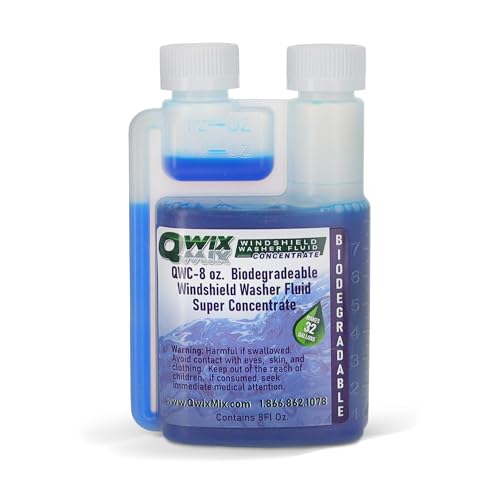
[Super Concentrated Savings] Qwix Mix windshield washer fluid concentrate makes up to 55 gallons of premium windshield washer fluid from one 8 oz bottle, saving money versus pre-mixed windshield washer fluids

Trusted Formula for Over 30 Years: Kristall Klar has been the choice for those who want a crystal clear view of the road ahead without the streaks and smears typical of standard washer fluids

This item can no be shipped to the state in California, Техаs, Arizona please check with the manufacturer regarding warranty and support issues.
Basic Recipe
- Gather Ingredients: You’ll need 1 cup of distilled white vinegar, 1 cup of water, and 1 tablespoon of dish soap.
- Mix Ingredients: Combine the vinegar and water in a clean container. Avoid using a metal container, as it can react with vinegar.
- Add Dish Soap: Stir in the dish soap gently to avoid too many bubbles. This helps break down dirt and grime on your windshield.
- Transfer the Solution: Pour the mixture into your vehicle’s washer fluid reservoir using a funnel to prevent spills.
- Test the Fluid: After filling, test the washer to ensure it sprays evenly and cleans effectively.
- Winter Washer Fluid:
- Ingredients: Use 1 cup of isopropyl alcohol (70% or higher), 1 cup of water, and 1 tablespoon of dish soap.
- Procedure: Mix the ingredients in a container. This recipe helps prevent freezing during cold weather.
- Citrus-Scented Solution:
- Ingredients: Combine 1 cup of vinegar, 1 cup of water, 1 tablespoon of dish soap, and a few drops of essential oil (like lemon or orange).
- Procedure: Mix thoroughly for a fresh scent while cleaning your windshield.
- Streak-Free Formula:
- Ingredients: Mix 1 cup of water, 1 cup of vinegar, and 2 tablespoons of washing soda.
- Procedure: Combine the ingredients to enhance cleaning power and reduce streaks.
- Sticky Residue Fighter:
- Ingredients: Combine 1 gallon of water, 1 tablespoon of corn syrup, and 1 tablespoon of dish soap.
- Procedure: This recipe effectively tackles sticky residues, leaving your windshield clear.
By following these steps, you can create your own washer fluid tailored to your driving conditions.
Safety Considerations
Safety plays a crucial role when making your own washer fluid. Following proper guidelines prevents accidents and ensures effective use.
Recommended Products

EXTREME COLD PROTECTION: Formulated to provide reliable -20°F freeze protection, keeping your windshield washer system functioning in harsh winter conditions

Add to existing washer fluid

Methanol-Free・Created for EVs & Performance Cars: This Auto Glass Cleaner won't Damage Rain Guards, Ceramic Coatings, or Protective Treatments—Engineered for Modern Windshield Technology. A Safer Alternative to Petroleum & Methanol. Safer for Families & Pets.
Use Safe Ingredients
Use only non-toxic ingredients in your washer fluid. Common components like distilled water, vinegar, and isopropyl alcohol are generally safe. Avoid chemicals that may harm your vehicle or the environment. Read labels for any warning signs.
Wear Protective Gear
Wear gloves and goggles while handling any chemicals. This gear protects your skin and eyes from potential irritation. Always work in a well-ventilated area to avoid inhaling fumes.
Store Properly
Store your homemade washer fluid in clearly labeled containers. Use containers that can withstand various temperatures. Keep the fluid away from children and pets to prevent accidental ingestion.
Test Before Use
Before using your homemade washer fluid, conduct a test. Apply it on a small, inconspicuous area of your windshield to check for adverse reactions. Ensure it doesn’t leave streaks or residue.
Avoid Mixing Chemicals
Never mix different chemicals without proper knowledge. Combining ingredients can create harmful reactions. Stick to the recipes to maintain safety.
Dispose Responsibly
Dispose of any unused fluid responsibly. Follow your local regulations for chemical disposal. Avoid pouring it down drains or into the environment.
By keeping these safety considerations in mind, you create washer fluid that’s effective and safe for your vehicle and the environment.
Conclusion
Making your own washer fluid can be a fun and rewarding experience. You get to save money while customizing the solution to fit your needs. Just remember to prioritize safety by using safe ingredients and following the guidelines outlined.
With a little care and attention, you can keep your windshield clean without breaking the bank. So go ahead and give it a try. Your vehicle and your wallet will thank you!
Frequently Asked Questions
What are the benefits of homemade washer fluid?
Making homemade washer fluid is cost-effective and allows for customization based on specific needs. You can choose ingredients that suit your local climate and driving conditions, making it both practical and economical.
What ingredients are safe to use in homemade washer fluid?
Safe ingredients for homemade washer fluid include distilled water, vinegar, and rubbing alcohol. These components help clean windshields effectively without causing harm to the vehicle or the environment.
What safety precautions should I take when making washer fluid?
When making washer fluid, wear protective gloves and goggles to avoid skin and eye irritation. Always mix ingredients in a well-ventilated area, and ensure proper storage to prevent accidents.
How should I test homemade washer fluid before use?
To test homemade washer fluid, apply it on a small area of your windshield first. Ensure it cleans effectively without leaving streaks or residues. If satisfied, you can use it for the entire windshield.
What should I avoid when creating homemade washer fluid?
Avoid mixing different chemicals, as this can create harmful reactions. Additionally, refrain from using antifreeze or bleach, as these ingredients can be hazardous and toxic.
How should I store homemade washer fluid?
Store homemade washer fluid in a secure container that is clearly labeled. Keep it in a cool, dry place away from direct sunlight and out of reach of children and pets to ensure safety.
How can I responsibly dispose of homemade washer fluid?
To responsibly dispose of homemade washer fluid, check local disposal regulations. Many areas have specific guidelines for disposing of chemical substances. Use collection sites or designated disposal services to ensure safe disposal.
