

Driving a Subaru SVX with low transmission fluid can lead to significant damage. Insufficient fluid levels can cause overheating, loss of gear engagement, and ultimately, transmission failure.
Transmission Fluid’s Role in Vehicle Health
Transmission fluid lubricates the internal components of the transmission, ensuring smooth operation and preventing wear. Low fluid levels can lead to increased friction, which may cause overheating. This can result in expensive repairs, making it essential to monitor fluid levels regularly.
Recommended Products

6 Quarts of genuine Subaru CVTF-II fluid

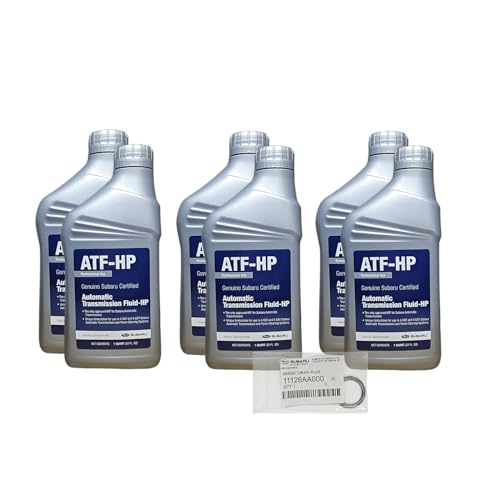
Used in all non-CVT 6 and 5 speed Subaru automatic transmissions
Signs of Low Transmission Fluid in Subaru SVX
Low transmission fluid in a Subaru SVX can lead to significant performance issues and potential damage. Recognizing the signs of low fluid levels is crucial for maintaining the vehicle’s health and ensuring a safe driving experience. This section outlines the key indicators that may signal a transmission fluid deficiency in your Subaru SVX.
Recognizing the signs of low transmission fluid is crucial for preventing damage. Common symptoms include:
-
Slipping gears
-
Delayed or harsh shifting
-
Unusual noises, such as grinding or whining
-
Warning lights on the dashboard
| Symptom | Primary Suspect | Difficulty (1-5) |
|---|---|---|
| Slipping gears | Low transmission fluid | 3 |
| Delayed shifting | Low transmission fluid | 2 |
| Grinding noise | Low transmission fluid | 4 |
| Warning light | Low transmission fluid | 1 |
Common Factors Behind Low Transmission Fluid
Low transmission fluid can lead to significant issues in your Subaru SVX, impacting performance and longevity. Understanding the common factors that contribute to low fluid levels is crucial for maintaining your vehicle’s health. This section explores the typical causes of low transmission fluid to help you identify and address potential problems before they escalate.
Several factors can lead to low transmission fluid levels. Understanding these causes can help prevent future issues. Common reasons include:
-
Leaks in transmission seals or gaskets
-
Worn-out transmission components
-
Infrequent fluid changes
-
Overheating due to high temperatures
Regular inspections can help identify leaks early, preventing further damage.
Step-by-Step Fix for Low Transmission Fluid
If you suspect low transmission fluid in your Subaru SVX, addressing the issue promptly is crucial to prevent potential damage. This section provides a detailed, step-by-step guide to help you check and replenish your transmission fluid, ensuring your vehicle operates smoothly and efficiently. Follow these instructions carefully to maintain the health of your transmission system.
If you suspect low transmission fluid, follow these steps to address the issue:
-
Park the vehicle on a level surface to ensure accurate fluid measurement.
-
Open the hood and locate the transmission dipstick. Remove it and wipe it clean.
-
Reinsert the dipstick and remove it again to check fluid levels. The fluid should be within the marked range.
-
Add the appropriate transmission fluid if levels are low. Use a funnel to avoid spills.
-
Start the engine and shift through all gears to circulate the fluid.
-
Recheck the fluid level and add more if necessary.
Subaru SVX Transmission Fluid Maintenance
Maintaining the transmission fluid in a Subaru SVX is crucial for the vehicle’s performance and longevity. Low transmission fluid can lead to serious damage, affecting the overall driving experience. Understanding how to properly check and maintain fluid levels can help prevent costly repairs and ensure your Subaru runs smoothly.
Maintaining proper transmission fluid levels is essential for the longevity of your Subaru SVX. Consider these maintenance tips:
-
Check fluid levels monthly to catch any potential issues early.
-
Change transmission fluid every 30,000 to 60,000 miles, depending on driving conditions.
-
Inspect seals and gaskets for wear during routine maintenance.
-
Use the manufacturer-recommended fluid to ensure compatibility.
Low Transmission Fluid Damage Risks
Driving a Subaru SVX with low transmission fluid can lead to significant damage, jeopardizing both performance and safety. Understanding the risks associated with insufficient fluid levels is crucial for maintaining the vehicle’s longevity and functionality. This section explores the potential consequences of neglecting transmission fluid levels and the importance of timely maintenance.
Ignoring low transmission fluid can lead to severe consequences. Some potential outcomes include:
-
Complete transmission failure
-
Expensive repair costs
-
Decreased vehicle performance
-
Safety hazards while driving
A critical warning is to address low fluid levels immediately to avoid these issues.
Transmission Fluid Impact on Subaru SVX Driving
Driving a Subaru SVX with low transmission fluid is a risky decision that can lead to costly repairs. Regular maintenance and prompt attention to fluid levels can prevent significant damage. Always prioritize the health of your vehicle’s transmission to ensure safe and reliable driving.
