

Driving a Subaru Ascent with low transmission fluid is not advisable due to significant safety hazards. Insufficient fluid can lead to transmission failure, overheating, and potential loss of vehicle control.
Transmission Fluid’s Role in Subaru Ascent Safety
Transmission fluid is essential for lubricating and cooling the transmission components of a Subaru Ascent. It helps facilitate smooth gear shifts and prevents overheating. Low levels can lead to increased friction and wear on internal parts, resulting in costly repairs.
Operating a vehicle with low transmission fluid can also compromise safety. The transmission may slip or fail, causing unexpected loss of power to the wheels. This situation can create dangerous driving conditions, especially in heavy traffic or on inclines.
Recommended Products

6 Quarts OF Genuine Subaru CVTF-III / CVT 3 Fluid

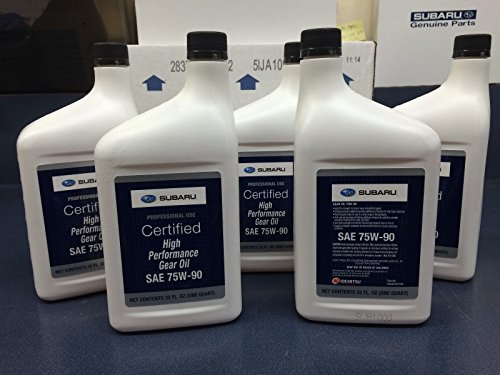
5 quarts of genuine Subaru 75w-90 High Performance Gear Oil
Signs of Insufficient Transmission Fluid
Low transmission fluid can lead to serious issues in your Subaru Ascent, affecting both performance and safety. Recognizing the signs of insufficient fluid is crucial for maintaining your vehicle’s health and ensuring a smooth driving experience. Understanding these indicators can help prevent costly repairs and enhance your overall safety on the road.
Recognizing the symptoms of low transmission fluid is crucial for maintaining vehicle safety. Drivers should be aware of the following signs:
-
Warning light: A transmission warning light on the dashboard indicates low fluid levels.
-
Slipping gears: Difficulty in maintaining gear engagement can signal low fluid.
-
Unusual noises: Grinding or whining sounds may occur when fluid is insufficient.
-
Delayed shifting: Hesitation when shifting gears can also indicate a problem.
| Symptom | Primary Suspect | Difficulty (1-5) |
|---|---|---|
| Warning light | Low fluid level | 2 |
| Slipping gears | Low fluid level | 3 |
| Unusual noises | Low fluid level | 4 |
| Delayed shifting | Low fluid level | 3 |
Transmission Fluid Shortage Risks
Driving a Subaru Ascent with low transmission fluid can lead to significant safety hazards. Insufficient fluid levels can cause overheating, erratic shifting, and potential transmission failure, all of which compromise vehicle performance and safety. Understanding the risks associated with low transmission fluid is crucial for maintaining your vehicle’s reliability and ensuring safe driving conditions.
Driving with low transmission fluid poses several risks that can affect both the vehicle and the driver. The following hazards should be considered:
-
Transmission failure: Insufficient fluid can lead to complete transmission failure, requiring expensive repairs or replacement.
-
Overheating: Low fluid levels can cause the transmission to overheat, damaging internal components.
-
Loss of control: Slipping gears can lead to sudden loss of power, making it difficult to control the vehicle.
It is critical to address low transmission fluid issues immediately to avoid these dangers.
Steps to Check and Maintain Fluid Levels
Maintaining proper transmission fluid levels in your Subaru Ascent is crucial for ensuring optimal performance and safety. This section outlines the steps you can take to check and maintain these fluid levels effectively, helping you avoid potential hazards associated with low transmission fluid. Understanding these procedures can prevent costly repairs and enhance your driving experience.
Regular maintenance of transmission fluid levels is essential for the longevity of a Subaru Ascent. Follow these steps to check and maintain fluid levels:
-
Park the vehicle on a level surface and turn off the engine.
-
Locate the transmission dipstick under the hood. Consult the owner’s manual if necessary.
-
Remove the dipstick and wipe it clean with a cloth.
-
Reinsert the dipstick fully and remove it again to check the fluid level.
-
Add fluid if levels are low, using the recommended type for the Subaru Ascent.
Subaru Ascent Transmission Fluid Selection
Choosing the right transmission fluid for your Subaru Ascent is crucial for maintaining optimal performance and safety. Using the appropriate fluid not only ensures smooth gear shifts but also protects the transmission from potential damage. Understanding the specifications and requirements can help you make informed decisions for your vehicle’s longevity.
Selecting the appropriate transmission fluid is vital for optimal performance. Subaru recommends specific fluid types for their vehicles. Always refer to the owner’s manual for the correct specifications.
Using the wrong fluid can lead to:
-
Increased wear on transmission components.
-
Poor shifting performance and responsiveness.
-
Potential warranty issues if the wrong fluid is used.
When to Consult a Certified Mechanic
If you suspect that your Subaru Ascent is experiencing issues related to low transmission fluid, it’s crucial to know when to seek professional help. Understanding the signs that indicate a need for a certified mechanic can prevent further damage and ensure your vehicle remains safe and reliable on the road.
If low transmission fluid symptoms persist after checking and refilling, it may be time to consult a professional. A certified mechanic can diagnose underlying issues such as leaks or internal damage.
It is advisable to seek help if:
-
Fluid levels drop frequently despite refills.
-
Unusual noises or behaviors continue after fluid maintenance.
-
Warning lights remain illuminated after addressing fluid levels.
Immediate attention can prevent further damage and ensure vehicle safety.
Transmission Fluid Safety Risks Explained
Driving a Subaru Ascent with low transmission fluid can lead to significant safety hazards. Understanding the risks associated with inadequate fluid levels is crucial for maintaining vehicle performance and ensuring driver safety. This section will delve into the potential dangers and consequences of neglecting transmission fluid maintenance.
Driving a Subaru Ascent with low transmission fluid is a serious safety hazard. Address any symptoms promptly to avoid costly repairs and ensure safe operation.
