

Have you ever stared at your dirty house windows and wondered if there’s a quick fix? You might be surprised to learn that the same windshield washer fluid you use for your car could do the trick. It’s a common thought—can this handy fluid double as a window cleaner for your home?
In this article, you’ll explore whether using windshield washer fluid on your house windows is a smart choice. You’ll find out about its effectiveness, any potential downsides, and how it compares to traditional window cleaners. By the end, you’ll know if it’s worth reaching for that bottle in your garage or sticking to your usual cleaning routine.
Key Takeaways
- Windshield Washer Fluid Composition: Comprised mainly of water, methanol, and surfactants, it effectively removes grime but may leave streaks on glass surfaces.
- Cost-Effective Solution: Using windshield washer fluid can be a budget-friendly alternative to traditional window cleaners, especially if you already have it at home.
- Potential Risks: The chemicals in washer fluid, particularly methanol, can strip protective coatings on windows and damage window frames, leading to costly repairs.
- Streaking Issues: While it can clean effectively, windshield washer fluid can leave smudges or streaks, making it less desirable for achieving clear results.
- Better Alternatives: Consider using vinegar and water solutions, dish soap, or ammonia-free commercial cleaners for safe and effective window cleaning.
- Testing Recommended: Always test windshield washer fluid on a small, inconspicuous area before widespread application to avoid potential damage.
Overview of Windshield Washer Fluid
Windshield washer fluid consists mainly of water, methanol, and surfactants. These components work together to effectively remove grime and debris from vehicle windshields. The surfactants in the fluid help break down dirt, while methanol prevents freezing in cold weather.
Many brands incorporate additional ingredients like dyes and fragrances, giving each product its unique scent and color. For example, blue or green fluids are common, while some might contain added cleaners for an extra boost in cleaning power.
Using windshield washer fluid for cleaning house windows can provide a quick solution for lifting dirt and smudges. However, the formula may leave streaks, especially on glass surfaces. If you prefer clear, streak-free results, consider testing the fluid on a small area first.
It’s essential to note that while it can clean glass, windshield washer fluid is not specifically designed for residential use. Traditional window cleaners typically contain an ammonia-based ingredient, enhancing their efficacy on glass surfaces compared to washer fluid. If you choose to use washer fluid, ensure that it doesn’t contain anything toxic or harmful for indoor use.
In situations where you’re out of conventional cleaner, windshield washer fluid can serve as a temporary alternative. Always check and ensure compatibility with the surfaces you’re cleaning.
Benefits of Using Windshield Washer Fluid
Using windshield washer fluid for cleaning house windows offers certain benefits that may appeal to you in specific situations.
Recommended Products

Removes and repels the toughest road grime

Trusted Formula for Over 30 Years: Kristall Klar has been the choice for those who want a crystal clear view of the road ahead without the streaks and smears typical of standard washer fluids

HIGH-YIELD WINDSHIELD WASHER FLUID: One 250 ml bottle makes over 6 gallons of washer solution, giving you a concentrated wiper fluid option for routine automotive windshield cleaning.
Cost-Effectiveness
Using windshield washer fluid can save money compared to traditional window cleaners. Many brands of washer fluid are inexpensive, typically ranging from $3 to $10 per gallon. If you already have a bottle at home, it provides a budget-friendly option. This fluid often cleans effectively enough without needing to buy additional products, making it a practical choice for quick cleaning tasks.
Convenience
Windshield washer fluid is readily available and often found in garages or vehicles. It comes in portable bottles, allowing easy access for on-the-go cleaning. When you notice smudges or dirt on your windows, grabbing a bottle of washer fluid can be quicker than going out to purchase dedicated window cleaners. Just pour it into a spray bottle, and you can use it with a cloth or paper towel to tackle those messy spots.
Risks of Using Windshield Washer Fluid on House Windows
Using windshield washer fluid on house windows presents several risks that you should consider before trying it out.
Recommended Products

STREAK FREE GLASS CLEANER (CLD30016) – Professional-grade formula cleans glass, windows, and mirrors without streaks or residue, leaving crystal-clear visibility on automotive and household surfaces.

Multi-Surface: Works great on multiple types of glass surfaces; achieve great results by using it as a shower door cleaner, window cleaner, TV screen cleaner, mirror cleaner, or as a glass top stove cleaner to remove grease
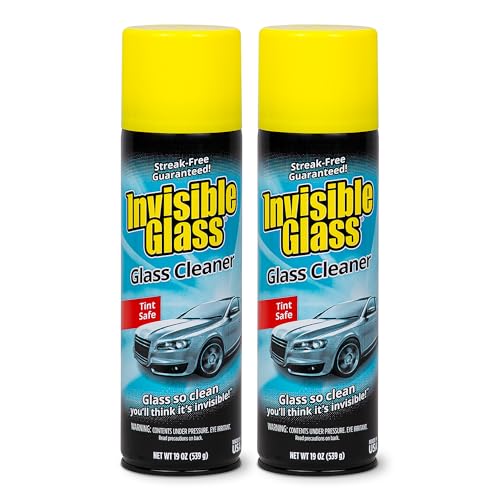
PROUDLY MADE IN THE USA: Invisible Glass is formulated, manufactured, and distributed in the USA. We use premium ingredients to deliver performance and reliability you can trust.
Chemical Composition
Windshield washer fluid includes chemicals like methanol, which can be harmful to certain surfaces. Methanol might strip the protective coatings on windows or affect window frames made of wood or vinyl. You expose your windows and frames to potential damage when using this fluid as a cleaner. Always check the ingredient list before application.
Potential Damage to Surfaces
Windshield washer fluid may create streaks or residue on glass surfaces. While it removes dirt initially, it may dry to leave smudges, resulting in a less-than-clear appearance. If used frequently, there’s a risk of dulling the glass over time. Additionally, the fluid can damage surrounding materials like paint or finishes, leading to costly repairs. Test on an inconspicuous area before using it widely to avoid these potential problems.
Recommended Alternatives for Cleaning House Windows
When cleaning house windows, consider several effective alternatives that provide safe and streak-free results.
Recommended Products

What You'll Get: One 23 oz spray bottle of Windex Ammonia Free Crystal Rain Glass and Window Cleaner

STREAK-FREE CLEANING POWER: Delivers a crystal-clear finish with no residue, haze, or film left behind on glass surfaces.

What You'll Get: One 32 oz spray bottle of Windex Ammonia Free Crystal Rain Glass and Window Cleaner
Vinegar and Water Solution
Mix equal parts white vinegar and water in a spray bottle. Vinegar cuts through grime and evaporates quickly, leaving windows sparkling.
Dish Soap and Water
Combine a few drops of dish soap with warm water. Use a soft cloth or sponge to scrub the windows. Rinse with clean water to avoid residue.
Commercial Window Cleaners
Choose ammonia-free commercial window cleaners. These products are formulated for glass surfaces and often include ingredients that prevent streaking.
Baking Soda Paste
Create a paste using baking soda and water. Apply it to stubborn spots or stains and scrub gently. Rinse thoroughly to avoid any residue buildup.
Microfiber Cloths
Use microfiber cloths for drying and polishing. These cloths are effective at attracting dust and grime while minimizing streaks.
Squeegees
Incorporate a squeegee for large glass surfaces. Start at the top and pull down in straight lines to remove excess liquid, ensuring a streak-free finish.
Avoid Glass Cleaners with Ammonia
Steer clear of glass cleaners containing ammonia, as they can damage window frames and protective coatings over time.
By using these alternatives, you can maintain clean and clear house windows without the risks associated with windshield washer fluid.
Conclusion
While windshield washer fluid might seem like a handy option for cleaning your house windows it’s best to stick with products specifically designed for that purpose. The risk of streaks and potential damage to your windows and frames just isn’t worth it.
Instead consider using safer alternatives like a vinegar and water solution or a commercial window cleaner. These options will give you the clean and clear results you want without the drawbacks. So next time you’re ready to tackle those windows remember that there are better choices out there for keeping your view sparkling!
Frequently Asked Questions
Can I use windshield washer fluid to clean my house windows?
While windshield washer fluid can clean house windows, it’s not the best choice. Its chemical composition can harm protective coatings and cause streaks, leaving your windows looking worse.
What are the risks of using windshield washer fluid on windows?
Using windshield washer fluid can damage window surfaces, dull the glass, and leave residue. Its chemicals may also harm window frames and other surrounding materials, making it less safe than traditional cleaners.
What is a better alternative for cleaning house windows?
Consider using a vinegar and water solution, dish soap and water, or commercial window cleaners. These alternatives are safer and more effective, providing streak-free results without damaging your windows.
How can I prevent streaks while cleaning windows?
To avoid streaks, use a microfiber cloth or squeegee. Make sure to dry the glass properly and work on a cloudy day to prevent cleaning solution from drying too quickly.
Should I test a cleaning solution before using it on all my windows?
Yes, it’s advisable to test any cleaning solution, including alternatives, on a small, inconspicuous area first. This helps prevent potential damage or unwanted effects on your windows’ surfaces.
