

Ever wondered why your ABS light suddenly illuminates on your dashboard? Picture this: you’re cruising down the road, and out of nowhere, that pesky ABS light pops up. Could too much brake fluid be the culprit behind this unexpected warning signal?
In this article, we’ll explore the relationship between excessive brake fluid and the activation of your ABS light. Understanding how these components interact is crucial for maintaining a safe and smooth driving experience. Stick around to uncover practical insights on how to address this issue effectively.
Buckle up as we navigate through the potential effects of an overflow of brake fluid on your vehicle’s ABS system. Let’s shed some light on this common automotive concern and equip you with the knowledge needed to tackle it head-on.
Key Takeaways
- Brake fluid is essential for transmitting force from the brake pedal to the brakes, ensuring proper braking performance.
- The ABS system prevents wheel lock-up during sudden braking by modulating brake pressure at each wheel individually.
- Excess brake fluid can trigger the ABS light on your dashboard by causing hydraulic pressure imbalances.
- Symptoms of overfilled brake fluid include spongy brakes, reduced efficiency, leaks, and an illuminated ABS light.
- Regularly checking and maintaining correct brake fluid levels is crucial for safe driving and optimal braking performance.
- If you accidentally overfill your brake fluid reservoir, use a turkey baster or syringe to remove excess fluid until reaching the proper level.
Understanding Brake Fluid and Its Role in ABS Systems
Brake fluid is a crucial component of your vehicle’s braking system. It’s a hydraulic fluid that helps transmit force from the brake pedal to the brakes, allowing you to slow down or stop your car efficiently. Without adequate brake fluid, your brakes wouldn’t function correctly, jeopardizing your safety on the road.
What Is Brake Fluid?
Brake fluid is a specially formulated liquid that operates under high temperatures and pressure within the braking system. It doesn’t compress, ensuring that when you press the brake pedal, this force is transferred directly to the brakes. This transfer of force enables your vehicle to decelerate or come to a complete stop when needed.
How ABS Systems Work
ABS (Anti-lock Braking System) is an advanced safety feature designed to prevent your wheels from locking up during sudden braking or slippery road conditions. When you apply the brakes hard, ABS sensors detect if any wheel is about to lock up. The system then modulates brake pressure at each wheel individually, helping you maintain control and steer while stopping quickly.
By understanding how brake fluid functions in conjunction with ABS systems, you can appreciate its significance in ensuring safe and effective braking performance in various driving conditions. Remember always to maintain the proper level of brake fluid as instructed by your vehicle’s manufacturer for optimal safety on the road.
Can Too Much Brake Fluid Cause the ABS Light to Illuminate?
If you’ve been wondering about the consequences of excess brake fluid in your vehicle, let’s delve into how it can impact the illumination of the ABS light and what symptoms to watch out for.
Recommended Products

Mixes well with conventional fluids
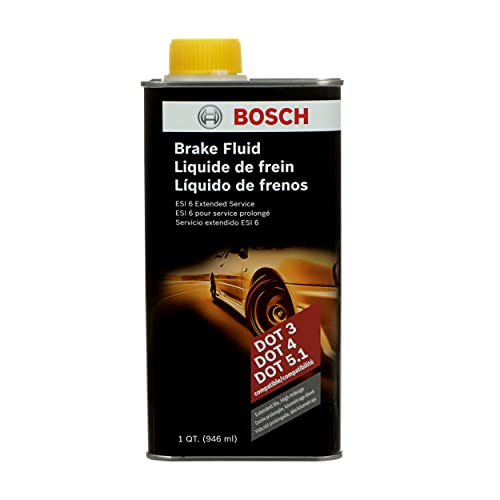
[NEXT GENERATION FLUID] - Bosch ESI6 is a next generation brake fluid designed for today's modern braking systems and is the first fluid to simultaneously combine both low viscosity and high wet boiling point (365 Degrees Fahrenheit)

Test the car brake fluid quality quickly to check whether it’s qualified, which can remind you to change the brake fluid when necessary to avoid traffic accident
The Impact of Overfilled Brake Fluid
When it comes to brake fluid, more isn’t always better. Overfilling your brake fluid reservoir can lead to issues within your braking system, including triggering the ABS light on your dashboard. Excess brake fluid can cause hydraulic pressure to increase beyond optimal levels, affecting the functioning of various components such as the master cylinder and wheel speed sensors. This imbalance can confuse the ABS system, causing it to illuminate the warning light as a safety precaution.
Symptoms of Excess Brake Fluid in Your Vehicle
To identify if there’s too much brake fluid in your vehicle, pay attention to certain signs that may indicate an overfilled reservoir. Common symptoms include a spongy or soft brake pedal feel, reduced braking efficiency, potential leaks around the master cylinder or wheels, and in severe cases, visible brake fluid seepage under the car. If you notice any of these indicators along with an illuminated ABS light on your dashboard, it could be a result of excessive brake fluid compromising your braking system’s performance.
By understanding how overfilled brake fluid can affect your vehicle’s ABS system and recognizing related symptoms promptly, you’ll be better equipped to address any potential issues before they escalate further. Regularly checking and maintaining the correct level of brake fluid as recommended by your vehicle manufacturer is essential for ensuring safe driving conditions and optimal performance on the road.
Checking and Maintaining Your Vehicle’s Brake Fluid
When it comes to ensuring your vehicle operates smoothly, checking and maintaining the brake fluid is crucial. Here’s how you can keep an eye on this essential component:
Recommended Products
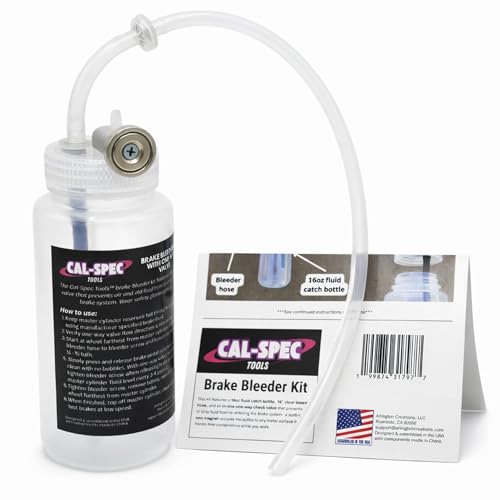
Cal-Spec Tools Brake Bleeder Kit - No need to close the bleeder before releasing the pedal, no spilled dirty fluid on the floor, and no dripping hoses when you’re done. This kit eliminates the mess and hassle from brake bleeding.

Specifications: The Brake Bleeder bottles can simply drain old brake fluid, rubber joints fit most bleeding screws, 60 cm (24 in) hose and chain with hooks to hold in place while collecting old brake fluid

Complete Kit: The brake system bleeding tools contain 2*6.02" long inlet hose, 2*13.77" long outlet hose, 2*check valve, 4*0.24" ID small clamps, 2*0.31" ID large clamps, 6*bleeder screw caps. Fit for hydraulic brakes on most motorcycles, cars, and bikes
How to Check Brake Fluid Levels
To check your brake fluid levels:
- Locate the Reservoir: Find the brake fluid reservoir under your car’s hood.
- Inspect the Level: The reservoir should have “min” and “max” markings; ensure the fluid level is between them.
- Visual Inspection: Look at the color of the fluid; it should be clear or slightly yellowish.
Steps to Correct Overfilled Brake Fluid
If you’ve overfilled your brake fluid reservoir:
- Prepare Supplies: You’ll need a turkey baster or a syringe, clean rags, and fresh brake fluid.
- Remove Excess Fluid: Use the baster or syringe to extract excess fluid until it reaches the correct level.
- Clean Reservoir Opening: Wipe any spilled brake fluid around the reservoir opening with a clean rag.
- Top Up Correctly: Add small amounts of fresh brake fluid if needed to reach the optimal level.
By following these simple steps, you can ensure that your vehicle’s brake system functions effectively, keeping you safe on the road.
Preventing Brake Fluid Issues
To keep your brake system in top condition and prevent potential problems, there are some essential maintenance steps you can follow. By incorporating routine checks and knowing when to seek professional help, you’ll ensure that your vehicle’s brake fluid levels are optimal and avoid triggering the ABS light unnecessarily.
Recommended Products

One Man Brake Bleeding: No more shouting instructions or messy oil spills! This one-man brake bleeder effortlessly flushes out old fluid while drawing in fresh oil, clearing trapped air for firmer, faster-replying brakes with every press.

【One-Person Brake Bleeding Made Easy】 Connects to air compressor to let you bleed brakes or clutch lines on your own—no need for a helper or repeated pedal pumping. Operates at 87–170 PSI (6–12 bar) for stable, professional results.

Complete Brake Bleeding Kit: Includes a 100ml syringe, 19.7in hose, pressure clamp, connector, valve, 2 x 14.17in hoses, 3 clamps, 2 pressure relief caps (M6/M8/M10/M12), and 5 adjustable port adapters — everything you need for a full brake and clutch fluid replacement
Routine Maintenance Tips
- Regular Inspections: Make it a habit to check your brake fluid level regularly. You can do this by locating the brake fluid reservoir under the hood of your car. Ensure that the fluid is between the minimum and maximum marks on the reservoir.
- Fluid Quality: Check the quality of your brake fluid periodically. If you notice discoloration or contamination, it may be time to replace it as degraded fluid can impact braking performance.
- Scheduled Flushes: Follow your vehicle manufacturer’s recommendations for brake fluid flush intervals. Flushing out old brake fluid and replacing it with fresh fluid helps maintain optimal braking performance.
- Correct Overfilling: If you accidentally overfill your brake fluid reservoir, use a turkey baster or syringe to remove excess fluid until it reaches the proper level. This prevents issues like a spongy pedal or ABS light activation due to excessive pressure buildup.
- ABS Light Activation: If your ABS light illuminates after checking and correcting the brake fluid level, it could indicate a more severe underlying issue with your ABS system that requires professional diagnosis and repair.
- Spongy Brake Pedal: A spongy or soft brake pedal feel could signal air bubbles or other problems in the braking system beyond just low or excess brake fluid levels. Consulting a mechanic for thorough inspection is advisable in such cases.
By adhering to these routine maintenance tips and seeking professional assistance when needed, you can effectively prevent issues related to excess brake fluid that may trigger the ABS light in your vehicle’s braking system.
Conclusion
Regular maintenance of your vehicle’s brake fluid is crucial for optimal ABS system function. Excessive brake fluid can lead to issues like the ABS light turning on and a spongy brake pedal, affecting your driving experience. By following recommended steps such as inspections, monitoring quality, and correcting overfilling, you can prevent potential problems with your ABS system. Remember to seek professional help if needed to address any concerns promptly and ensure the safety of your vehicle on the road. Stay proactive in maintaining proper brake fluid levels to keep your ABS system working effectively and enjoy a smooth driving experience.
Frequently Asked Questions
What is the significance of brake fluid in a vehicle’s braking system?
Brake fluid plays a crucial role in transmitting force to the brakes for efficient stopping.
How does ABS prevent wheel lock-up?
ABS (Anti-lock Braking System) prevents wheel lock-up by modulating brake pressure during sudden stops.
What are the negative effects of excess brake fluid on the ABS system?
Excess brake fluid can trigger the ABS light and cause symptoms like a spongy brake pedal.
How can one maintain proper brake fluid levels?
Maintain proper levels by regular inspections, monitoring quality, scheduled flushes, and correcting overfilling with tools like a turkey baster or syringe.
What should be done if the ABS light activates or a spongy brake pedal is felt?
Seek professional assistance promptly to address issues related to excess brake fluid affecting the ABS system.
