
Ever wondered why your car’s braking doesn’t feel as responsive as it used to? Picture this: you’re cruising down the road, and when you hit the brakes, there’s a slight delay before your vehicle comes to a stop. Could old brake fluid be the culprit behind this unsettling scenario?
In this article, we’ll explore how neglected brake fluid can impact your vehicle’s braking performance. You might not realize it, but over time, brake fluid absorbs moisture and contaminants that can compromise its effectiveness. Understanding the effects of old brake fluid on your braking system is crucial for maintaining your safety on the road.
Stay tuned to discover how addressing this often-overlooked maintenance issue can make a significant difference in your driving experience.
Key Takeaways
- Brake fluid is a vital component of the braking system, transferring force from the brake pedal to slow down or stop your vehicle effectively.
- Old or contaminated brake fluid can lead to decreased braking performance due to moisture absorption and reduced boiling point.
- Signs of degraded brake fluid include dark color, spongy brake pedal feel, illuminated brake warning light, and increased stopping distance.
- Regularly checking and maintaining brake fluid is essential for optimal braking performance and safety while driving.
- Assessing brake fluid condition involves visual inspection, moisture content checks, boiling point tests, and seeking professional assessment when unsure.
- Preventive measures like regular inspections, moisture content checks, following manufacturer recommendations, avoiding mixing fluids, and routine maintenance intervals help maintain brake fluid quality.
Understanding Brake Fluid and Its Role in Braking Systems
Brake fluid is a crucial component of your vehicle’s braking system. It serves as a medium to transfer force from the brake pedal to the brakes, allowing you to slow down or stop your car effectively. Understanding how brake fluid works in your braking system is essential for ensuring optimal performance and safety on the road.
What Is Brake Fluid?
Brake fluid is a specialized hydraulic fluid that operates under high temperatures and pressure within the braking system of your vehicle. It is designed to withstand these conditions while maintaining its properties over time. The primary function of brake fluid is to transmit force applied at the brake pedal to the brake calipers or wheel cylinders, initiating the process of stopping the vehicle.
How Brake Fluid Works in Your Braking System
When you press the brake pedal, it exerts force on a piston in the master cylinder filled with brake fluid. This force is transmitted through the brake lines to individual brakes at each wheel. The hydraulic pressure created by this action forces the brake pads or shoes against the rotors or drums, generating friction that slows down or stops your vehicle.
Regular maintenance of your brake fluid is crucial as old or contaminated fluid can lead to decreased braking performance. Over time, moisture can seep into the system, reducing the boiling point of the fluid and potentially causing vapor lock—a condition where air bubbles form, impeding proper hydraulic function.
By understanding how vital clean and fresh brake fluid is for your safety on the road, you can take proactive steps to ensure that this often-overlooked maintenance task doesn’t compromise your braking efficiency when you need it most.
The Impact of Old Brake grading Fluid on Braking Performance
When it comes to your vehicle’s braking system, the quality of the brake fluid plays a crucial role in ensuring effective stopping power. Over time, brake fluid can degrade, affecting its performance and potentially compromising your safety on the road.
Recommended Products

15 Double-Ended brake fluid tester and coolant

Measure Actual Boiling Point: AS506 heats a collected brake fluid sample and measures its boiling temperature. It delivers a temperature result rather than the moisture estimate provided by conductivity-style tester pens.

Test the car brake fluid quality quickly to check whether it’s qualified, which can remind you to change the brake fluid when necessary to avoid traffic accident
Why Brake Fluid Degrades Over Time
Brake fluid is hygroscopic, meaning it absorbs moisture from the air over time. This moisture can lead to a decrease in the boiling point of the fluid. As you drive and apply the brakes, especially under high temperatures or heavy braking conditions, this moisture-laden brake fluid may boil within the braking system. Boiling brake fluid can result in vapor pockets forming, leading to spongy brakes and reduced braking efficiency.
- Change in Color: Fresh brake fluid is almost clear with a slight yellow tint. If you notice your brake fluid has turned dark brown or black, it’s a sign that it may be old and contaminated.
- Spongy Brake Pedal: When you press down on the brake pedal, if it feels soft or spongy instead of firm, this could indicate air or moisture in the brake lines due to degraded brake fluid.
- Brake Warning Light: An illuminated brake warning light on your dashboard could signal various issues with your braking system, including old or low-quality brake fluid.
- Increased Stopping Distance: If you find that your vehicle takes longer to come to a complete stop than usual, worn-out brake fluid could be one of the causes.
Regularly checking and maintaining your vehicle’s brake fluid is essential for optimal braking performance and overall safety while driving. By being aware of these signs and addressing any concerns promptly, you can ensure that your brakes operate efficiently when needed most.
How to Check and Replace Your Brake Fluid
Checking and replacing your brake fluid is crucial for maintaining optimal braking performance. Follow these steps to assess your brake fluid condition and learn how to replace old brake fluid effectively.
Recommended Products

Quality Materials: The frosted plastic housing provides excellent anti-slip performance, while the high-strength, abrasion-resistant nylon material ensures that brake fluid tester maintains good performance and extends its service life under frequent use or harsh environments

WIDE RANGE OF APPLICATIONS: The automotive brake fluid tester is a universal device for most vehicles. It can check the condition of DOT-3, DOT-4, DOT-5.1 brake fluids as well as most synthetic brake fluids. It is extremely easy for personal use and is widely used for private workshops, repair shops and car dealerships.

Durable and Corrosion-Resistant : Featuring a corrosion-resistant probe, this brake fluid tester is designed for long-lasting performance. The durable construction ensures that the tool remains effective over time, even with frequent use, making it a reliable addition to your maintenance toolkit
Steps to Assess Brake Fluid Condition
To ensure your brake system operates smoothly, it’s essential to check the condition of your brake fluid regularly. Here’s how you can assess the state of your brake fluid:
- Visual Inspection: Start by locating the brake fluid reservoir under the hood of your car. Check the color of the fluid; fresh brake fluid is usually clear or slightly yellow. If the fluid appears dark or murky, it may be contaminated and in need of replacement.
- Moisture Content: Brake fluid absorbs moisture over time, affecting its performance. You can use a test strip to determine the moisture content in the brake fluid accurately. High moisture levels can lead to decreased braking efficiency.
- Boiling Point Test: Brake fluids have specific boiling points that can affect their performance under high-temperature conditions. Testing the boiling point of your brake fluid ensures it can withstand heat during intense braking situations.
- Professional Assessment: If you’re unsure about assessing your brake fluid, consider taking your vehicle to a professional mechanic for a comprehensive inspection.
Replacing Old Brake Fluid: A Step-by-Step Guide
When it’s time to replace old or contaminated brake fluid, follow these steps for a smooth process:
- Gather Supplies: You’ll need a new container of recommended brake fluid, a turkey baster or syringe, clean rags, and safety goggles before starting.
- Locate Bleeder Valves: Find the bleeder valves on each wheel where you’ll release old brake fluid later in the process.
- Drain Old Fluid: Using a turkey baster or syringe, remove as much old brake fluid from the reservoir as possible without letting air enter the system.
- Bleed Brakes: With someone assisting you, start bleeding brakes at each wheel following proper sequence (consult owner’s manual). This removes air bubbles from the system while replacing old with new fluid.
- Top Up Reservoir: After bleeding all wheels, top up the reservoir with new clean brake fluid to recommended levels.
- Test Brakes: Once complete, test your brakes carefully before driving to ensure they are responsive and functioning correctly after replacing the old brake fluid.
Preventing Brake Fluid Degradation
To ensure optimal braking performance and safety, it’s crucial to implement preventive measures that help maintain the quality of your brake fluid. By following best practices for brake fluid maintenance and knowing when to schedule professional brake fluid service, you can prevent degradation and keep your braking system in top condition.
Recommended Products

Efficient Measurement and Quick Readout: This brake system sensor ensures quick and precise readings with an accuracy of ± 0.3%, covering a range of 0% - 4%. Whether you're checking DOT3, DOT4, or DOT5.1 fluids, this device offers reliable results. Test the car brake fluid quality quickly to check whether it’s qualified, which can remind you to change the brake fluid when necessary to avoid traffic accident.
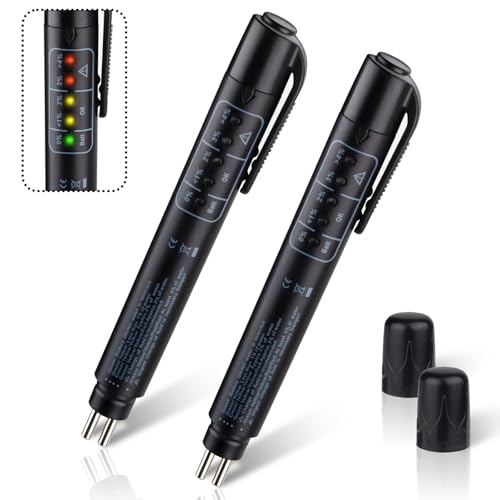
Quality Materials: The frosted plastic housing provides excellent anti-slip performance, while the high-strength, abrasion-resistant nylon material ensures that brake fluid tester maintains good performance and extends its service life under frequent use or harsh environments

Helps increase the number of needed brake fluid exchange services you perform by providing proof for the needed service.
Best Practices for Brake Fluid Maintenance
- Regular Inspections: You should routinely inspect your brake fluid to check for any signs of contamination or deterioration. Look out for changes in color or clarity, as these can indicate moisture absorption or aging.
- Moisture Content Checks: Moisture is a common enemy of brake fluid, affecting its performance over time. Consider using a test strip kit to measure the moisture content in your brake fluid and take appropriate action if the levels are high.
- Follow Manufacturer Recommendations: Always adhere to the manufacturer’s guidelines regarding the type of brake fluid recommended for your vehicle. Using the correct specification ensures compatibility and optimal performance.
- Avoid Mixing Fluids: When topping up or replacing brake fluid, make sure not to mix different types or brands. Mixing fluids can lead to chemical reactions that compromise the integrity of the entire braking system.
- Protective Measures: Keep the reservoir cap securely tightened when not in use to prevent moisture from entering the system. This simple step can help maintain the quality of your brake fluid between inspections.
- Routine Maintenance Intervals: It’s advisable to include brake fluid checks as part of your regular vehicle maintenance schedule. Professionals recommend having your brake fluid inspected at least once a year or following your vehicle manufacturer’s specific recommendations.
- Unusual Symptoms: If you notice any unusual symptoms while driving, such as soft brakes, longer stopping distances, or noisy brakes, it may be an indication that your brake fluid needs attention from a qualified mechanic.
- High Mileage Vehicles: For vehicles with high mileage or those that have been inactive for an extended period, consider scheduling a comprehensive inspection of the braking system by a professional technician.
By incorporating these best practices into your routine maintenance schedule and being vigilant about potential issues with your brake fluid, you’ll ensure that your braking system operates efficiently and safely at all times.
Conclusion
Ensuring your vehicle’s brake fluid is fresh and uncontaminated is crucial for maintaining optimal braking performance. Old brake fluid can compromise your safety on the road by affecting the efficiency of your brakes. By understanding the signs of deteriorating brake fluid and taking proactive measures to assess and replace it when needed, you can enhance your vehicle’s braking system’s reliability. Remember to follow recommended maintenance intervals and keep an eye out for any unusual symptoms that may indicate a problem with your brake fluid. Taking these steps will help you drive with confidence, knowing that your brakes are in top condition to keep you safe on every journey.
Frequently Asked Questions
Why is brake fluid important for a vehicle’s braking system?
Brake fluid plays a crucial role in transferring force from the brake pedal to the brakes, ensuring efficient stopping power.
How does old or contaminated brake fluid affect braking performance?
Old or contaminated brake fluid can lead to decreased efficiency, spongy brakes, and compromised safety due to moisture absorption.
What are the signs of deteriorating brake fluid?
Signs include color changes in the fluid, spongy brake pedals, and reduced braking responsiveness.
How can one assess and replace brake fluid effectively?
Effective assessment methods include visual inspections, moisture content checks, and boiling point tests. Regular replacement helps maintain optimal braking performance.
What preventive measures can be taken to maintain brake fluid quality?
Preventive measures include regular inspections, monitoring moisture content, following manufacturer recommendations, avoiding mixing fluids, and keeping the reservoir cap tightly closed.
What routine maintenance intervals are recommended for brake fluid?
Routine maintenance intervals typically involve checking and replacing brake fluid every 2 years or as per manufacturer guidelines for optimal performance.
How should unusual symptoms related to braking be addressed?
Unusual symptoms like soft brakes or longer stopping distances should prompt immediate inspection by a qualified mechanic to diagnose potential issues with the braking system.
Are there any special considerations for high mileage vehicles regarding brake fluid maintenance?
High mileage vehicles may require more frequent checks of their brake fluid due to increased wear on components. Regular monitoring is essential for safe driving.
