

Have you ever wondered if you can use transmission fluid in your transfer case? You’re not alone. Many vehicle owners face this dilemma, especially when they’re in a pinch and need to top off fluids quickly. Knowing the right type of fluid to use can save you from costly repairs and keep your vehicle running smoothly.
In this article, you’ll learn the ins and outs of transfer cases and their specific fluid needs. We’ll explore whether transmission fluid is a suitable option and what potential risks you might encounter. By the end, you’ll have the knowledge to make informed decisions about your vehicle’s maintenance, ensuring it stays in top shape for all your adventures.
Key Takeaways
- Understanding Fluid Types: Transmission fluid and transfer case fluid serve different functions; always use the fluid specified in your owner’s manual for each component.
- Risks of Using the Wrong Fluid: Adding transmission fluid to your transfer case can lead to inadequate lubrication, overheating, and long-term damage.
- Emergency Situations: In cases where no other fluid is available, a small amount of transmission fluid may be used temporarily if the vehicle’s specifications allow for it.
- Regular Maintenance: Inspect fluid levels regularly, change the fluid periodically, and look for signs of leaks to maintain transfer case efficiency.
- Manufacturer Specifications: Always refer to your owner’s manual to ensure compatibility and avoid potential issues with your transfer case.
- Quality Components: Use high-quality parts for any replacements to ensure optimal performance and longevity of your transfer case.
Understanding Transfer Cases
Transfer cases play a crucial role in your vehicle’s drivetrain. They manage the distribution of power between the front and rear axles, ensuring optimal performance on various terrains.
What Is a Transfer Case?
A transfer case is a vital component in four-wheel-drive and all-wheel-drive vehicles. It transfers power from the transmission to the wheels. Typically, it contains gears, a chain or a shaft, and often features options for high and low ranges. For instance, in off-road conditions, you might engage the low-range setting for better traction.
Importance of Fluid in Transfer Cases
Fluid in transfer cases serves multiple purposes. It lubricates gears, reduces friction, and helps with cooling. Using the correct fluid type is essential to prevent overheating and premature wear. For example, using automatic transmission fluid instead of specialized transfer case fluid can lead to serious mechanical issues. Always refer to your owner’s manual for the recommended fluid type and specifications for your transfer case.
Transmission Fluid vs. Transfer Case Fluid
Understanding the differences between transmission fluid and transfer case fluid is vital for maintaining your vehicle’s performance. Using the correct fluid prevents damage and ensures your transfer case operates correctly.
Recommended Products

【Multiple Applications】This transmission fluid pump fits standard quart bottles come with 28mm bottle cap,with an 8cc per pump stroke capacity,Suitable for dozens of uses including oil changes,siphoning gasoline,and transferring a wide range of fluids such as engine oil, biodiesel, kerosene, or shampoo,detergent.

🚗Fits Standard Quart Bottles with 28mm Bottle Cap

🚙Pumps 1 FULL OUNCE (30cc) per pump stroke. Pumps an entire quart in 32 strokes. DOES NOT FIT STANDARD QUART BOTTLES
Key Differences
- Composition: Transmission fluid contains additives for smooth shifting and heat resistance. Transfer case fluid often has different additives focused on lubrication and friction performance.
- Function: Transmission fluid facilitates gear shifting in your vehicle’s transmission. Transfer case fluid provides lubrication and cooling for the transfer case’s moving parts.
- Viscosity: Transmission fluid typically has a different viscosity compared to transfer case fluid. This difference affects how each fluid performs under various temperature conditions.
- Manufacturer Specifications: Each component has specific requirements outlined in your vehicle’s owner’s manual. Match the fluid to the correct system to avoid potential damage.
Why Fluid Type Matters
Using the wrong type of fluid can lead to severe issues. Transmission fluid in a transfer case may not provide adequate lubrication, leading to increased wear and possible failure.
- Heat Management: Transfer case fluid is designed to withstand the temperatures generated during operation. Transmission fluid might not handle these temperatures effectively, causing overheating.
- Component Compatibility: Components in the transfer case require a specific fluid for optimal operation. Using incorrect fluid can lead to premature wear of gears and bearings.
- System Efficiency: Using the right fluid improves the efficiency of the transfer case. It ensures power distribution across axles remains consistent, enhancing overall vehicle performance.
Consulting your vehicle’s owner’s manual prevents costly mistakes. Properly maintaining your transfer case ensures longevity and reliability on various terrains.
Can I Put Transmission Fluid in My Transfer Case?
You might wonder if adding transmission fluid to your transfer case is acceptable. The answer depends on specific situations, but it’s crucial to be cautious and fully informed.
Recommended Products

Mobil 1 Synthetic LV ATF HP Case 6 x 1 Quart

7.5L FLUID DISPENSER: This 2 gallon manual ATF refill kit by Orion Motor Tech features an extra long lever that dispenses up to 2.7 fluid ounces of transmission fluid

Wide Vehicle Compatibility: Manual transmission fluid fill system fluid pump tool compatible with most Ford, BMW, Honda, Nissan, Volkswagen, Porsche, Mini Cooper, Audi and Mercedes vehicles
Situations When It Might Be Okay
- Compatibility: If your transfer case specifically calls for automatic transmission fluid (ATF), then using transmission fluid is appropriate. Always check your owner’s manual.
- Emergency Repairs: If you’re in a jam and lack the correct fluid, a small amount of transmission fluid can help in emergencies—just avoid making it a regular practice.
- Type of Vehicle: Some 4WD systems are designed to utilize ATF. Look for manufacturer specifications that support this compatibility.
- Inadequate Lubrication: Transmission fluid may not provide the necessary lubrication required for transfer case components, leading to wear or failure over time.
- Overheating: The thermal properties of transmission fluid differ from those of transfer case fluid. This difference may cause overheating under load, impacting performance.
- Contamination: Mixing fluids can lead to contamination, which can affect the overall efficiency of your transfer case. This mixture might inhibit the fluid’s effectiveness in reducing friction and preventing wear.
Always prioritize following your manufacturer’s guidelines to maintain your vehicle’s performance.
Best Practices for Maintaining a Transfer Case
Maintaining a transfer case requires attention to detail and the right practices to ensure optimal performance and longevity. Following these guidelines helps you avoid costly repairs and keep your vehicle running smoothly.
Recommended Products

Meets the challenging demands of different all-wheel and four-wheel drive vehicles with multi-powered axles
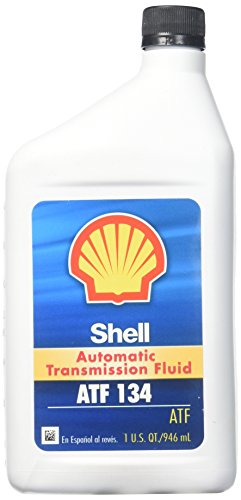
Shell ATF 134 Mercedes Benz Transmission Fluid 236.14 236.12

The information below is per-pack only
Recommended Fluids
Use the manufacturer-recommended fluid for your transfer case. Refer to your owner’s manual for specific fluid types. Common options include transfer case fluid (TCF) or automatic transmission fluid (ATF), depending on your vehicle.
Examples of fluids include:
- Transfer Case Fluid: Specifically designed for transfer cases, providing optimal lubrication and cooling.
- Automatic Transmission Fluid (ATF): Sometimes acceptable if specified by the manufacturer.
Always check for compatibility before mixing fluids. Mixing incompatible fluids can lead to reduced performance and potential damage.
Routine Maintenance Tips
Perform regular inspections and maintenance to ensure your transfer case operates efficiently:
- Inspect Fluid Levels: Check fluid levels regularly, adding fluid as needed to maintain proper levels.
- Change Fluid Periodically: Change the transfer case fluid based on manufacturer recommendations, generally every 30,000 to 50,000 miles.
- Look for Leaks: Examine the transfer case for any signs of leaks during routine checks. Repair leaks promptly to prevent fluid loss.
- Listen for Unusual Noises: Pay attention to any grinding or whining sounds when engaging or disengaging the transfer case. This may indicate issues that require professional attention.
- Use Quality Parts: If any parts need replacement, choose high-quality components compatible with your transfer case and vehicle.
By implementing these best practices, you can ensure the efficient operation of your transfer case and extend its life.
Conclusion
Taking care of your transfer case is crucial for your vehicle’s performance and longevity. Always stick to the recommended fluids to avoid any potential issues. Regular maintenance checks can save you from costly repairs down the line.
Remember to listen to your vehicle and watch for any signs of trouble. By staying proactive and informed, you can keep your transfer case running smoothly for years to come. Happy driving!
Frequently Asked Questions
What is the role of a transfer case in a vehicle?
The transfer case distributes power from the transmission to the axles, ensuring proper traction and control. It plays a vital role in both two-wheel and four-wheel drive vehicles by managing torque delivery to enhance performance.
Why is it important to use the correct fluid in a transfer case?
Using the correct fluid is essential for lubrication, friction reduction, and cooling within the transfer case. The right fluid prevents costly repairs caused by overheating, inadequate lubrication, and premature wear of internal components.
What is the difference between transfer case fluid and transmission fluid?
Transfer case fluid (TCF) and automatic transmission fluid (ATF) serve different purposes. TCF is specifically formulated for transfer cases, while ATF is designed for automatic transmissions. Using the wrong fluid may lead to performance issues and damage.
How can I check if my transfer case fluid is compatible?
Refer to your vehicle’s owner’s manual to check the recommended fluid type for your transfer case. Always ensure compatibility before mixing fluids, as using an incompatible fluid can result in serious damage.
What are some best practices for transferring case maintenance?
Best practices include using manufacturer-recommended fluids, regularly checking fluid levels, changing the fluid at recommended intervals, inspecting for leaks, and listening for unusual noises. These steps help extend your transfer case’s lifespan and ensure efficient operation.
