

Have you ever wondered if it’s safe to mix DOT 3 and DOT 4 brake fluids in your vehicle? Picture this: you’re in the midst of a DIY brake fluid change, and suddenly you realize you have both types on hand. What should you do next?
In this article, we’ll explore the compatibility of mixing DOT 3 and DOT 4 brake fluids. You’ll discover the potential risks involved in blending these two formulations and how it can impact your vehicle’s braking system. By understanding the implications, you’ll be equipped to make informed decisions when maintaining your car’s safety.
Stay tuned to find out whether mixing DOT 3 and DOT 4 brake fluids is a recipe for smooth sailing or a roadblock waiting to happen.
Key Takeaways
- Brake fluid is a vital component that transfers force from the brake pedal to the wheels’ braking mechanisms.
- DOT 3 and DOT 4 brake fluids have different compositions and boiling points, with DOT 4 offering higher boiling points suitable for demanding conditions.
- Mixing DOT 3 and DOT 4 brake fluids can lead to unpredictable chemical reactions, potentially compromising braking efficiency and safety.
- Manufacturers recommend against mixing different types of brake fluids to maintain consistent hydraulic properties and avoid potential system damage.
Understanding DOT 3 and DOT 4 Brake Fluids
Brake fluid is a vital component in your vehicle’s braking system. It transfers the force you apply to the brake pedal to the brake pads, allowing your car to slow down or stop efficiently.
Recommended Products

Mixes well with conventional fluids

Ideal for hydraulic and disc brakes

Exceeds DOT 3 regulations: Formulated to meet or surpass DOT 3 requirements, ensuring consistent braking performance and dependable stopping power in all conditions
What Is Brake Fluid?
Brake fluid is a hydraulic fluid specially designed for modern braking systems. It operates under high temperatures and pressures, ensuring smooth operation of your brakes. The fluid plays a crucial role in transferring force from the brake pedal to the wheels’ braking mechanisms.
Differences Between DOT 3 and DOT 4
DOT 3 and DOT 4 are types of brake fluids commonly used in vehicles. While both meet safety standards set by the Department of Transportation (DOT), they differ in their composition and performance characteristics.
- Composition:
- DOT 3: Contains glycol ether compounds.
- DOT 4: Contains borate esters along with glycol ether compounds.
- Boiling Points:
- Both fluids have different boiling points:
- DOT 3 has a lower boiling point compared to DOT 4.
- DOT 4 offers higher boiling points suitable for more demanding braking conditions.
Understanding these differences can help you make an informed decision when it comes to choosing or potentially mixing these two types of brake fluids in your vehicle.
The Chemistry Behind Brake Fluids
Understanding the composition of DOT 3 and DOT 4 brake fluids is crucial for maintaining your vehicle’s braking system. Here’s a breakdown of the chemistry behind these essential fluids.
Composition of DOT 3 Brake Fluid
DOT 3 brake fluid primarily consists of glycol ethers, which are hygroscopic compounds that absorb moisture from the surrounding environment. This hygroscopic nature helps prevent water buildup in the brake system, reducing the risk of corrosion and maintaining optimal performance.
Composition of DOT 4 Brake Fluid
On the other hand, DOT 4 brake fluid also contains glycol ethers but with an added borate ester compound. This addition enhances the fluid’s boiling point compared to DOT 3, making it more suitable for high-performance braking systems that generate significant heat during operation.
By understanding the distinct compositions of DOT 3 and DOT 4 brake fluids, you can make informed decisions when it comes to mixing or choosing the right fluid for your vehicle’s braking needs.
Mixing DOT 3 and DOT 4 Brake Fluids
When it comes to mixing different types of brake fluids, such as DOT 3 and DOT 4, there are important considerations to keep in mind for the safety and performance of your vehicle. Let’s explore the potential risks of blending these fluids and what manufacturers typically advise in such situations.
Recommended Products

Provides an extra margin of safety in extreme braking conditions (packaging may vary)
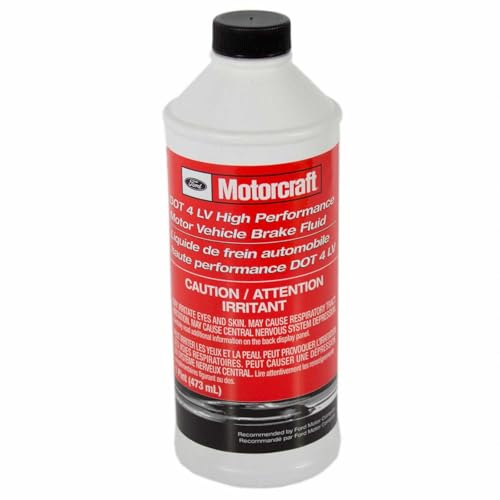
New low viscosity formulation, faster response at lower temperatures

Genuine Honda part that fits your specific vehicle
Potential Risks of Mixing
Mixing DOT 3 and DOT 4 brake fluids can lead to unpredictable chemical reactions within your braking system. This mixture may alter the overall boiling point characteristics, potentially compromising the efficiency of your brakes when exposed to high temperatures during heavy braking scenarios. Inconsistent fluid properties could result in reduced braking performance or even brake failure, posing a significant safety hazard on the road.
What Manufacturers Say
Manufacturers generally recommend against mixing different types of brake fluids like DOT 3 and DOT 4. The reason behind this caution is rooted in ensuring the optimal functioning of your vehicle’s braking system. Using a single type of brake fluid specified by the manufacturer helps maintain consistent hydraulic properties throughout the system, reducing the risk of corrosion or damage to critical components.
By adhering to manufacturers’ guidelines on brake fluid selection, you can safeguard both your vehicle’s performance and your safety on the road. It’s essential to prioritize using the recommended brake fluid type without mixing different formulations to avoid potential complications that could compromise your braking system’s integrity.
Effects on Vehicle Performance
When you mix DOT 3 and DOT 4 brake fluids, it can have significant effects on your vehicle’s performance. Let’s delve into how this blending impacts various aspects of your braking system.
Impact on Braking Efficiency
Mixing DOT 3 and DOT 4 brake fluids can lead to a decrease in braking efficiency. The different chemical compositions of these fluids are designed to work optimally within specific temperature ranges. When mixed, they may not perform as intended, affecting your ability to stop quickly and safely when needed.
For example, if you blend these two types of brake fluids, the boiling point may change unpredictably. This alteration could result in vapor lock within the brake lines under high-temperature conditions, reducing the effectiveness of your brakes and potentially compromising your safety on the road.
Long-Term Effects on Brake System
The long-term consequences of mixing DOT 3 and DOT 4 brake fluids can be detrimental to your entire brake system. Over time, incompatible fluid combinations may cause corrosion or damage to crucial components like seals and rubber parts in the braking system.
Continued use of improperly blended brake fluids could lead to leaks or even complete failure of certain parts within the hydraulic system. Such failures pose a severe risk while driving as they can result in loss of braking power or control over your vehicle.
Maintaining the integrity of your vehicle’s braking system is essential for safe driving practices. Avoiding the mixing of different types of brake fluids ensures that each component functions correctly, providing you with reliable stopping power whenever you need it most.
Best Practices in Brake Fluid Maintenance
When to Change Brake Fluid
Brake fluid is a critical component of your vehicle’s braking system, responsible for transmitting the force from your foot on the brake pedal to the actual brakes. Over time, brake fluid can absorb moisture, leading to reduced effectiveness and potential corrosion within the braking system. To ensure optimal performance and safety, it’s recommended to change your brake fluid every two years or as per your vehicle manufacturer’s guidelines.
Choosing the Right Brake Substances for Your Vehicle
Selecting the correct type of brake fluid for your vehicle is crucial to maintain its braking efficiency and overall safety. Always refer to your vehicle’s owner manual or consult with a professional mechanic to determine the appropriate brake fluid specification required for your specific make and model. Using the wrong type of brake fluid can result in decreased braking performance, potential damage to components, and compromise safety on the road.
By adhering to these best practices in brake fluid maintenance, you can help ensure that your vehicle’s braking system functions optimally, providing you with reliable stopping power when you need it most.
Recommended Products
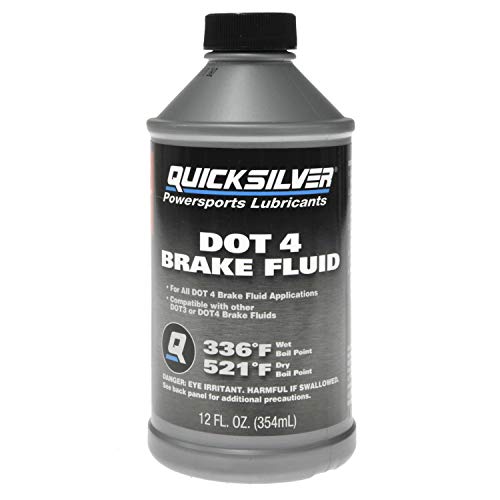
The 336⁰F wet boil point and 521⁰F dry boil point exceeds common characteristics for DOT 4 brake fluids
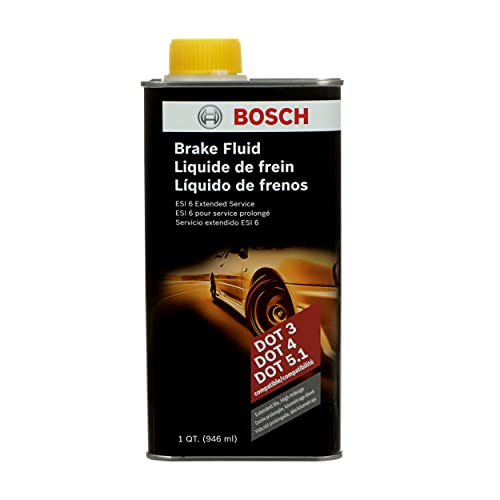
[NEXT GENERATION FLUID] - Bosch ESI6 is a next generation brake fluid designed for today's modern braking systems and is the first fluid to simultaneously combine both low viscosity and high wet boiling point (365 Degrees Fahrenheit)

Premium brake and hydraulic clutch fluid that protects internal components from corrosion under normal use
Conclusion
Remember, when it comes to brake fluid, it’s crucial to prioritize safety and performance. Mixing DOT 3 and DOT 4 brake fluids can lead to unpredictable chemical reactions that compromise your braking system’s efficiency. Manufacturers advise against blending these fluids for a reason – to maintain consistent hydraulic properties and prevent potential damage. To ensure your vehicle’s braking system operates reliably, stick with one type of brake fluid recommended by the manufacturer. By following best practices like regular maintenance and using the correct fluid, you’ll help keep your brakes functioning optimally for safe driving every time you hit the road.
Frequently Asked Questions
Can I mix DOT 3 and DOT 4 brake fluids during a brake fluid change?
It is not recommended to mix DOT 3 and DOT 4 brake fluids due to potential unpredictable chemical reactions that can compromise braking efficiency and safety.
Why should I avoid blending DOT 3 and DOT 4 brake fluids?
Mixing these fluids can lead to inconsistent hydraulic properties, potentially causing damage to the brake system components over time.
How does blending DOT 3 and DOT 4 brake fluids affect vehicle performance?
Blending these fluids can impact braking efficiency, increase the risk of corrosion in the brake system, and result in failure of critical components.
What are the best practices for maintaining brake fluid integrity?
Regularly changing brake fluid every two years or following the vehicle manufacturer’s guidelines is crucial for optimal braking efficiency and preventing corrosion.
