

Have you ever wondered if it’s safe to check your engine oil when the car’s hot? You’re not alone. Many drivers face this dilemma, unsure whether to pop the hood after a long drive. It’s a common scenario that can leave you second-guessing your vehicle maintenance routine.
Key Takeaways
- Checking oil when the engine is hot can be done, but caution is essential due to the risk of burns and inaccurate readings.
- The ideal time to check engine oil is when the engine is warm but has had time to settle for about 10 minutes for a more precise measurement.
- Regular oil checks are crucial for vehicle health, with monthly checks recommended and especially before long trips.
- Signs of low oil levels include warning lights, unusual engine noises, burning smells, and excessive exhaust smoke; addressing these promptly can prevent costly repairs.
- Proper procedure includes warming up the engine, allowing it to settle, and inspecting the dipstick while also checking the oil’s color and consistency.
Understanding Engine Oil Temperature
Understanding engine oil temperature helps you make informed decisions about vehicle maintenance. Checking oil when temperatures fluctuate can cause measurements to be inaccurate, affecting vehicle performance.
Recommended Products

Check Fit First: Compatible with Honda XR650L 1993-2025. Uses the stock O-ring and fits the stock triple clamps and standard fuel tank. Not compatible with Scott steering stabilizers or oversized tanks.

Real-Time Temperature Monitoring: Provides real-time information on the oil temperature, helping drivers to know the working temperature of the engine oil at any time

Precision Engineered For Harley Sportster: Specifically designed to fit for Sportster 2004-2022 models, this temperature dipstick ensures a perfect match with your motorcycle's
The Importance of Oil Temperature
Oil temperature affects its ability to lubricate and protect engine components. Warm oil flows easily, ensuring thorough coverage of engine parts. During a long drive, oil heats up, expanding and becoming less viscous. When the engine cools down, oil contracts, thickening and losing some of its lubricating properties. Checking oil at the correct temperature ensures that you get an accurate reading, which is crucial for maintaining engine health.
Effects of Heat on Oil Viscosity
Heat significantly impacts oil viscosity, or thickness. High temperatures reduce oil viscosity, allowing it to flow better. When you check oil after driving, oil sits in the pan and may give a misleading low reading. Alternatively, cooler oil appears thicker, making it hard to gauge actual levels. Ideally, check engine oil when it’s warm but not hot, allowing it to provide a more accurate measure. If you’re unsure, allow the engine to cool for about 10 minutes before checking, ensuring safety and precision.
Reasons to Check Oil Levels
Checking oil levels plays a vital role in vehicle health. Maintaining proper oil levels enhances engine performance and longevity. Here are key reasons to stay on top of your oil checks.
Regular Maintenance Practices
Regular oil level checks promote overall vehicle reliability. It’s smart to check engine oil every month or before long trips. Follow these steps for effective maintenance:
- Park the vehicle on a level surface.
- Turn off the engine and wait for at least 10 minutes to allow oil to settle.
- Pull out the dipstick, wipe it clean, then reinsert and remove it again to check the level.
This simple routine keeps your engine running smoothly and helps detect potential issues before they escalate.
Signs That Indicate Low Oil Levels
Low oil levels can lead to severe engine problems. Look for these signs that suggest it’s time to check your oil:
- Oil Pressure Warning Light: A lit warning light indicates low oil pressure, signaling inadequate lubrication.
- Strange Engine Noises: Knocking or tapping sounds often indicate insufficient oil to protect engine components.
- Burning Oil Smell: An unusual smell may suggest oil burning, often due to low levels.
- Dark Engine Exhaust: Excessive smoke from the exhaust can indicate oil consumption or a leak.
Addressing these symptoms quickly can prevent costly repairs and keep your vehicle in great shape.
Can I Check The Oil When The Engine Is Hot?
You can check the oil when the engine is hot, but caution is necessary. Hot oil can give a less accurate reading due to its thinner consistency. It’s often best to check it when the engine is warm, not immediately after running.
Recommended Products

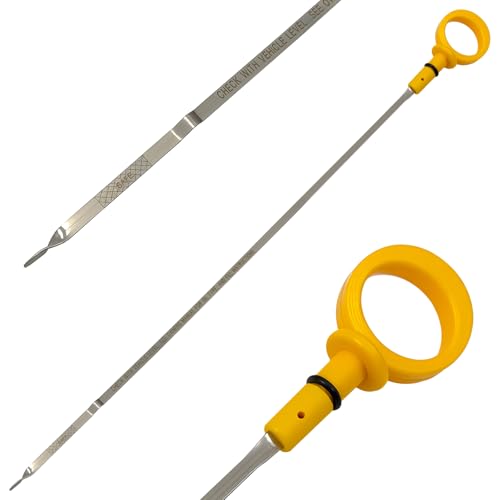
【Replace Part Number】This oil dipstick replaces: 4892121AA.
Pros of Checking Hot Oil
- Quicker Temperature Reading: Checking oil while the engine runs hot offers an immediate measure of the oil’s condition.
- Curbs Sludge Buildup: Hot oil flows easier and allows contaminants to disperse, providing a clearer view of your oil’s overall health.
- Real-Time Performance Insight: Assess oil levels when the engine is active, leading to a better understanding of how oil behaves under typical driving conditions.
- Risk of Burns: Hot engine components can cause serious burns. Use gloves and avoid direct contact.
- Inaccurate Level Readings: Thin, hot oil may settle differently, leading to a misleading dipstick reading.
- Potential for Spills: Oil expands when hot, increasing the chance of spillage while checking, contributing to mess and waste.
Following these guidelines makes checking your oil a safe and beneficial practice for your vehicle’s longevity.
Recommended Best Practices
Checking your engine oil requires a careful approach to ensure accuracy and safety. Following these best practices helps maintain optimal vehicle performance.
Recommended Products

Direct replacement - this engine oil dipstick tube is designed to match the fit and function of the original tube on specified vehicles
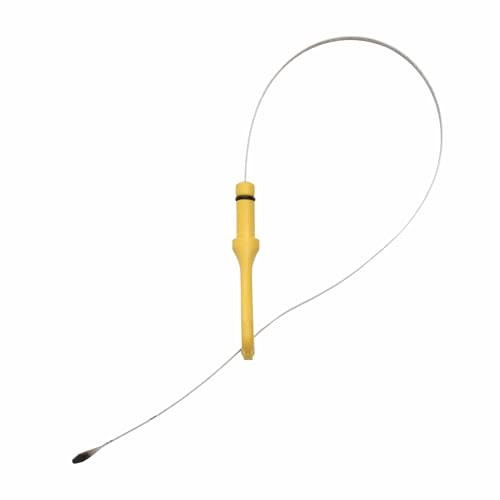

Application: Suitable replacement for the engine oil level indicator
Proper Procedure for Checking Oil
- Warm Up the Engine: Start by running your engine for 5-10 minutes, allowing it to reach a warm temperature. This warms the oil and ensures it flows freely.
- Turn Off the Engine: After warming, turn off the engine. Wait about 10 minutes. This time allows the oil to settle in the oil pan, providing a more accurate reading.
- Locate the Dipstick: Find the dipstick, usually labeled, in the engine bay. Pull it out gently and wipe it clean with a lint-free cloth.
- Reinsert and Check: Insert the dipstick back into the tube, then remove it again. Check the oil level. The oil should be between the minimum and maximum markers.
- Examine Oil Condition: Alongside checking the level, observe the oil’s color and consistency. Oil should appear clear or slightly golden. If it’s dark and gritty, consider changing it.
Alternative Methods to Assess Oil Levels
Occasionally, you might want to check oil levels without using a dipstick. Here are some alternative methods:
- Oil Level Sensors: Some modern vehicles come equipped with electronic oil level sensors that provide a readout on the dashboard. This method offers a quick way to check oil levels without manual dipping.
- Oil Pressure Gauge: If your vehicle has an oil pressure gauge, observe the reading. Low pressure can indicate oil level issues, although it’s not as direct as checking with a dipstick.
- Visual Inspection: If you suspect low oil levels, look for oil spots or leaks under the vehicle. Regular visual inspections can help catch problems early.
Always prioritize safety when checking oil levels, especially after driving. Following these recommended practices keeps your engine function optimal and detects potential issues before they escalate.
Conclusion
Checking your engine oil is a crucial part of vehicle maintenance. By ensuring you check it when the engine is warm but not too hot you can get the most accurate reading. This simple practice helps keep your engine running smoothly and can prevent costly repairs down the line.
Remember to take your time and follow the steps for checking oil levels properly. Regular checks will help you catch potential issues early and keep your vehicle in top shape. So next time you think about checking your oil just remember to keep it warm and safe. Happy driving!
Frequently Asked Questions
Why is it important to check engine oil at the right temperature?
Checking engine oil at the correct temperature ensures accurate measurements. Warm oil provides a better indication of its level and condition, helping you assess lubrication efficiency and protection for engine components.
When is the best time to check engine oil?
The ideal time to check engine oil is when the engine is warm but not hot. Allow the engine to cool for about 10 minutes after running to get the best results without burning yourself or damaging components.
How often should I check my engine oil?
It’s advisable to check your engine oil regularly, ideally every month or before long trips. This helps maintain vehicle health, reliability, and aids in early detection of possible issues.
What are the signs of low engine oil levels?
Signs of low engine oil levels include a dashboard oil warning light, unusual engine noises, or a burning smell. Regularly checking the dipstick can help you catch low oil levels before they lead to severe engine damage.
How do I effectively check my engine oil?
To check your engine oil, warm up the engine, turn it off and wait 10 minutes. Use the dipstick to gauge oil level, examining its condition for clarity and color to assess if it needs changing.
Are there alternative methods to check engine oil levels?
Yes, alternative methods include using oil level sensors, oil pressure gauges, and visual inspections of the oil fill cap. These methods can provide additional reassurance about your engine’s oil status.
What is the safest way to check engine oil?
Always check your engine oil when the engine is cool to avoid burns. Use a cloth or gloves while handling the dipstick, and ensure your vehicle is parked on level ground for an accurate reading.
