

Have you ever noticed your engine temperature creeping up and wondered if a small coolant leak could be the culprit? You’re not alone. Many drivers face this frustrating issue, often overlooking minor leaks while assuming they won’t cause significant problems.
In this article, you’ll learn how even a tiny coolant leak can lead to overheating and the potential damage it can cause to your vehicle. Understanding this connection can save you from costly repairs down the road and keep your car running smoothly. Let’s break down why it’s essential to address those small leaks before they turn into big headaches.
Key Takeaways
- Small coolant leaks can lead to significant issues, including engine overheating and costly repairs.
- Types of coolant leaks include those from the radiator, hoses, water pump, and head gasket, each requiring prompt attention.
- Signs of a coolant leak include dashboard warning lights, puddles under the vehicle, rising engine temperatures, a sweet smell, and steam from the hood.
- Regularly checking and maintaining your vehicle’s cooling system is crucial to prevent overheating and ensure optimal engine performance.
- Ignoring minor leaks can escalate into severe engine damage, making timely repairs essential for vehicle longevity.
- Using a coolant leak sealant can provide a temporary fix, but it’s important to consult a professional for long-term solutions.
Understanding Coolant Leaks
Understanding coolant leaks is essential for maintaining your vehicle’s health. Even small leaks can cause significant issues, including overheating.
Recommended Products

Professional AC Leak Detector Kit: Designed specifically for detecting automotive air conditioner leak, Vansky AC leak detector flashlight incorporates cutting-edge R&D technologies. Equipped with 68 high-quality LED beads, it can accurately pinpoint leaks, even in garage or indoor space. Compared to other flashlights, Vansky optimized ultraviolet light operates at a level 40% brighter, setting it apart in brightness.

Universal Compatibility: 17 color-coded test caps and 3 test covers fit most Japanese, European, and American cars. Quickly identify the right adapter for efficient cooling system diagnosis

Professional AC Leak Detection: COSOOS leak detector design for detecting automotive air conditioner leak, flashlight with Professional grade 21 high intensity LED, it can accurately pinpoint leaks in seconds, enabling precise repairs and prevent potential accidents.
Types of Coolant Leaks
- Radiator Leaks: Damage to the radiator can create leaks. Corrosion or physical damage causes coolant to escape.
- Hose Leaks: Cracked or worn radiator hoses often lead to coolant leaks. Flexibility decreases over time, which compromises the seal.
- Water Pump Leaks: A failing water pump can leak coolant, especially around the gasket. This often indicates a need for immediate replacement.
- Head Gasket Leaks: A blown head gasket allows coolant to leak into the oil system. This can lead to severe engine damage if not immediately addressed.
- Dashboard Warning Light: A warning light may indicate low coolant levels or overheating. Pay attention to any dashboard alerts.
- Puddles or Drops: Look for bright green, orange, or pink puddles under your vehicle. Different coolant colors can help identify the source.
- Engine Overheating: If your engine temperature rises beyond normal, a coolant leak might be the cause. Monitor temperature gauges regularly.
- Sweet Smell: A sweet odor around the engine area usually means coolant is leaking. This can help trace the source of the leak.
- Steam from the Hood: Visible steam might signal overheating due to low coolant levels. This requires immediate investigation.
By recognizing these types and signs of coolant leaks, you gain the knowledge to tackle potential overheating issues before they escalate.
The Mechanism of Overheating
Coolant plays a crucial role in maintaining optimal engine temperature. A small coolant leak can disrupt this balance, leading to overheating.
How Coolant Regulates Engine Temperature
Coolant circulates through the engine, absorbing heat and transferring it to the radiator. In the radiator, the heat dissipates into the air, allowing the coolant to cool before it returns to the engine. A consistent flow of coolant ensures effective heat exchange. Any interruption, such as a leak, reduces coolant levels, impairing this process. As a result, the engine can overheat because it lacks the necessary coolant to manage rising temperatures.
Effects of Insufficient Coolant
Insufficient coolant leads to various problems. First, it increases the engine’s temperature, creating stress and potential damage. For example, you may notice the temperature gauge rising or see steam coming from the hood. Second, inadequate coolant can cause component failures, such as a blown head gasket or damaged radiator. Such issues can lead to costly repairs and engine breakdowns. It’s essential to regularly check coolant levels and address any leaks immediately to prevent these complications.
Evaluating the Impact of a Small Leak
Small coolant leaks may seem minor, but they can lead to significant issues over time. You must recognize these leaks and understand their potential impact on your vehicle’s performance.
Recommended Products

FIX IT FAST: Our multi-purpose solution works in minutes to quickly seal leaks in the radiator, head gasket, freeze plugs, block, heater matrix & water pump. Fixes most leaks in water-cooled engines

PERMANENTLY FIXES COOLING SYSTEM LEAKS: . One step formula permanently repairs coolant loss problems on cars, trucks, vans, SUV’s and RV’s.
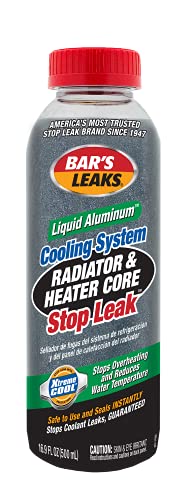
Bar's Leaks Liquid Aluminum Stop Leak seals radiator leaks. Seals freeze plug leaks. Repairs gasket leaks and heater core leaks. Lowers water temperature.
Situations with Minor Leaks
Minor leaks often go unnoticed, especially if they don’t immediately trigger dashboard warning lights. You might find small puddles of coolant under your car after parking or notice a sweet smell emanating from the engine bay. In these cases, you might rely on your vehicle’s cooling system more than you realize. A gradual loss of coolant can reduce your car’s ability to regulate temperature effectively. If you experience frequent temperature fluctuations or the engine overheats during long drives, it’s crucial to address the leak.
Long-Term Consequences
Ignoring minor coolant leaks can lead to severe long-term consequences. Even small leaks can decrease coolant levels, causing your engine to run hotter than normal. Persistent overheating might lead to issues like warping the cylinder head or a blown head gasket. Repair costs for these problems can escalate into thousands of dollars. By addressing leaks sooner, you safeguard your vehicle’s longevity and performance. To maintain optimal conditions, regularly check your coolant levels and inspect for leaks.
Prevention and Maintenance
Regular maintenance and inspection of your vehicle’s cooling system can prevent coolant leaks and overheating. Keeping an eye on the system ensures optimal performance and longevity.
Recommended Products

DISSOLVED PELLETIZED FORMULA: Bar’s Leaks Radiator Stop Leak seals internal, external and coolant-to-oil leaks. It is specially formulated to seal larger leaks better than other stop leak products.

Patented formula quickly stops leaks in radiators, water pumps, and heater cores

PROFESSIONAL STRENGTH FORMULA: Bar's Leaks Radiator Stop Leak Tablets inhibit the formation or rust and scale, neutralize pH imbalance, controls electrolysis, lubricates and seals internal, external and coolant-to-oil leaks.
Regular Checks and Inspections
Check your coolant levels every month. Look at the coolant reservoir and verify if it’s at the recommended level marked on the container. Inspect the engine bay for any visible signs of leaks or puddles. Look for staining or residue around hoses, the radiator, and the water pump. Pay attention to the thermostat’s function during seasonal changes; you want it to open and close properly. Schedule a comprehensive cooling system inspection at least once a year. This includes checking all hoses, the radiator, and the water pump for wear and tear.
Tips for Addressing Small Leaks
Address small leaks immediately to prevent them from worsening. Locate the source of the leak by inspecting the engine and underneath the vehicle. Use a coolant leak sealant as a temporary fix, but don’t rely on it for the long term. Replace any damaged hoses or components as needed and always use the manufacturer-recommended coolant type. Monitor the coolant levels closely after repairs, checking weekly until confident the issue is resolved. If the leak persists, consult a professional mechanic for a thorough diagnosis and repair.
Conclusion
Small coolant leaks might seem harmless but they can lead to serious overheating issues if you don’t take action. Staying vigilant about your vehicle’s cooling system is key to avoiding costly repairs down the road.
Regularly checking your coolant levels and inspecting for leaks can save you from potential engine damage. If you notice any signs like puddles or a sweet smell, don’t ignore them. Addressing even minor leaks promptly can help keep your engine running smoothly and efficiently.
By being proactive about maintenance, you can ensure your vehicle stays in top shape and avoid the headaches that come with overheating.
Frequently Asked Questions
What causes small coolant leaks in vehicles?
Small coolant leaks can be caused by various issues including corrosion or damage to the radiator, cracked hoses, a failing water pump, or a blown head gasket. Each type of leak can affect the cooling system’s efficiency and lead to overheating if not addressed.
How can I identify coolant leaks?
You can identify coolant leaks by looking for puddles or drops of coolant under your vehicle, checking for dashboard warning lights, noticing a sweet smell around the engine, and observing steam coming from the hood. Regular inspections can help catch leaks early.
What are the dangers of ignoring coolant leaks?
Ignoring coolant leaks can lead to insufficient coolant levels, causing engine overheating and potential damage such as a blown head gasket or damaged radiator. This can result in costly repairs and breakdowns, making timely action crucial.
How can I prevent coolant leaks?
To prevent coolant leaks, regularly check your coolant levels, inspect for visible signs of leaks, and ensure your thermostat functions properly. A comprehensive cooling system inspection at least once a year is highly recommended.
What should I do if I find a small coolant leak?
If you find a small coolant leak, try to locate the source and consider using coolant leak sealants as temporary fixes. If the issue persists, it’s best to consult a professional mechanic to avoid further damage to your engine.
