

Ever wondered what temperature your engine coolant should be? Keeping your engine at the right temperature is crucial for performance and longevity. If it runs too hot or too cold, you might face serious issues down the road.
Imagine you’re on a road trip, and suddenly your engine starts overheating. Panic sets in as you pull over, but it doesn’t have to be that way. Understanding the ideal coolant temperature can save you from costly repairs and keep your vehicle running smoothly.
In this article, you’ll learn the optimal coolant temperature and why it matters. You’ll also discover tips to maintain your cooling system, ensuring peace of mind every time you hit the road.
Key Takeaways
- Optimal Coolant Temperature: Most vehicles operate best with coolant temperatures between 195°F to 220°F (91°C to 104°C) to ensure efficient combustion and prevent engine damage.
- Importance of Coolant: Proper engine coolant temperature helps transfer heat away from the engine, minimizing wear on components and avoiding issues like overheating or excessive fuel consumption.
- Monitoring Symptoms: Look for indicators of incorrect coolant temperature, such as high gauge readings, steam from the hood, strange noises, or poor performance, which can signify overheating or running too cold.
- Regular Maintenance: Perform regular inspections of the cooling system, including checking coolant levels, flushing the system, and ensuring the thermostat and radiator are functioning correctly.
- Use the Right Coolant: Always utilize the manufacturer-recommended coolant type for your vehicle, as different formulations improve temperature regulation and overall engine performance.
- Driving Conditions Impact: Be aware that external factors like ambient temperature, driving conditions, and coolant type can influence your engine coolant temperature and performance.
Understanding Engine Coolant Temperatures
Engine coolant temperatures play a crucial role in maintaining your vehicle’s efficiency and performance. Understanding these temperatures helps prevent engine damage due to overheating or inadequate cooling.
Importance of Engine Coolant
Engine coolant transfers heat away from the engine, keeping it operating within safe temperature ranges. Proper coolant temperature ensures efficient combustion and minimizes wear on engine components. Overheating can lead to severe issues, such as warped heads or blown gaskets, while running too cold can cause increased fuel consumption and emissions.
Factors Affecting Coolant Temperature
Several factors influence coolant temperature, including:
- Ambient Temperature: Higher outside temperatures can cause coolant to heat up faster while driving. During hot weather, you may notice fluctuations in engine temperature.
- Driving Conditions: Stop-and-go traffic generates additional heat, while highway driving allows for better airflow over the engine and radiator, leading to cooler operating temperatures.
- Coolant Type: Different coolant formulations provide varying levels of heat transfer efficiency. Using the manufacturer’s recommended coolant improves temperature regulation.
- Cooling System Condition: A malfunctioning thermostat or clogged radiator affects coolant flow, leading to higher temperatures. Regular maintenance checks help identify and rectify such issues.
Monitoring coolant temperature ensures your engine runs smoothly, enhancing vehicle performance and longevity.
Recommended Coolant Temperature Ranges
Maintaining the correct coolant temperature is essential for optimal engine performance. Recommended temperature ranges typically fall within specific thresholds.
Recommended Products

Professional, premium aftermarket replacement

[Quality Material] Our water temp gauge is made of high-quality ABS material, which is light weight, fast fading, high temperature resistance, wear resistance, corrosion resistance, and can be used for a long time.

Protects engine - this must-have engine coolant temperature gauge is designed to provide accurate at-a-glance measurement and monitoring of coolant temperature to help prevent engine overheating
Standard Operating Temperature
Most vehicles operate best when coolant temperatures range between 195°F to 220°F (91°C to 104°C). This range ensures efficient combustion and minimizes wear on engine components. When coolant heats beyond 220°F, you risk potential overheating that can lead to engine damage. Conversely, if temperatures drop below 195°F, fuel consumption may increase, resulting in higher emissions.
Variations by Engine Type
Coolant temperature needs can differ based on engine design and type.
- Gasoline Engines: Generally require coolant temperatures between 195°F to 220°F (91°C to 104°C).
- Diesel Engines: Operate effectively at slightly higher temperatures, typically between 210°F to 230°F (99°C to 110°C), due to their different combustion characteristics.
- High-Performance Engines: May need adjustments to coolant temperatures for added efficiency. These engines often operate at 200°F to 250°F (93°C to 121°C) to ensure peak performance during demanding conditions.
Regularly monitor your vehicle’s coolant temperature gauge to identify any fluctuations and address potential issues swiftly.
Signs of Incorrect Coolant Temperature
Incorrect coolant temperature can significantly impact your engine’s performance. Understanding the signs helps you address issues before they escalate.
Recommended Products


✅ PHOSPHATE FREE, RTU - Engine Ice Hi-Performance coolant is phosphate free and ready to use, reducing operating temperatures and effectively keeping boil over temperatures to 256 Fahrenheit or less and freeze-up protection to -7 Fahrenheit

Overheating Symptoms
- High Temperature Gauge Reading: If your temperature gauge shows a reading significantly above 220°F (104°C), your engine may be overheating.
- Steam from the Hood: Steam rising from under the hood indicates excessive heat. This is a critical warning sign.
- Strange Noises: Knocking or pinging noises can occur when the engine overheats, due to increased pressure and metal expansion.
- Warning Lights: A lit check engine or temperature warning light alerts you to potential overheating. Pay close attention to these indicators.
- Poor Performance: Reduced acceleration or engine power can signal overheating. If your vehicle struggles to maintain speed, investigate promptly.
- Temperature Gauge Below 195°F (91°C): If the gauge indicates a temperature below this threshold, your engine might be running too cold.
- Increased Fuel Consumption: Low coolant temperature often leads to inefficient combustion, resulting in higher fuel usage.
- Poor Engine Performance: Noticeable sluggishness or reduced power can arise from an engine not reaching its optimal temperature.
- Emissions Issues: If your vehicle emits more pollutants, it could relate to suboptimal engine temperature affecting combustion.
- Frequent Engine Hesitation: Low temperature can cause your engine to hesitate or stall, as the fuel may not burn efficiently.
Regularly monitoring these signs enhances your engine’s health and performance. If you notice any of these symptoms, take action to diagnose and rectify the situation.
Testing and Maintaining Coolant Temperature
Maintaining the right engine coolant temperature is essential for optimal vehicle performance. Testing and maintenance prevent potential issues and keep your engine running smoothly.
Recommended Products
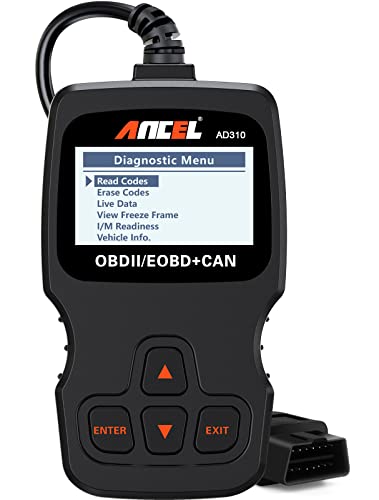
CEL Doctor: The ANCEL AD310 is one of the best-selling OBD II scanners on the market and is recommended by Scotty Kilmer, a YouTuber and auto mechanic. It can easily determine the cause of the check engine light coming on. After repairing the vehicle's problems, it can quickly read and clear diagnostic trouble codes of emission system, read live data & hard memory data, view freeze frame, I/M monitor readiness and collect vehicle information

Understand Your Check Engine Light – The ANCEL AD410 OBD2 scanner helps everyday drivers quickly read and clear engine-related fault codes, view code definitions, and understand why the check engine light is on before visiting a repair shop. With 42,000+ built-in DTC lookups, this car code reader helps reduce guesswork and makes basic vehicle diagnostics easier for beginners and DIY users

【Find Out Why Your Check Engine Light Is On】 The FOXWELL NT301 OBD2 scanner diagnostic tool helps you read engine trouble codes (DTCs), view code definitions, and understand what may be causing your check engine light. Simply connect this car scanner to your vehicle's 16-pin OBD2 port to start diagnosing. Whether you're a first-time car owner or a DIY mechanic, this OBD2 scanner helps you identify potential issues before deciding on your next repair step
Tools for Measuring Coolant Temperature
- Infrared Thermometer: Measure the surface temperature of the coolant without direct contact. Aim it at the radiator or engine block for quick readings.
- Coolant Temperature Gauge: Integrated into many vehicles, this gauge shows real-time coolant temperature. Regularly check it while driving to monitor fluctuations.
- OBD-II Scanner: Use this device to access your car’s internal systems. It provides detailed coolant temperature data, which can help identify abnormalities.
- Thermocouple: This tool attaches to specific areas in the cooling system. It gives accurate readings and is useful for more precise diagnostics.
- Regular Inspections: Check coolant levels monthly. Look for signs of leaks or discoloration. Clear signs indicate it’s time for replacement.
- Flush the System: Perform a coolant flush every 30,000 miles or according to your manufacturer’s recommendations. This removes sludge and debris, ensuring efficient cooling.
- Check Hose Condition: Inspect hoses for wear and tear. Look for cracks or bulges, as these can lead to coolant leaks. Replace any damaged hoses immediately.
- Monitor Temperature Gauge: Pay attention to your temperature gauge while driving. If readings exceed the normal range (195°F to 220°F), take action to cool the engine.
- Use the Right Coolant: Always use the coolant type specified in your vehicle’s manual. Different vehicles require different formulations to function properly.
- Inspect the Radiator: Ensure your radiator isn’t clogged or dirty. A clean radiator improves heat transfer and prevents overheating.
- Check the Thermostat: Test the thermostat for proper operation. A faulty thermostat can lead to incorrect coolant temperatures. Replace if necessary.
By regularly testing and maintaining your coolant temperature, you enhance your vehicle’s performance and longevity. Taking these steps helps prevent costly repairs and ensures a smoother driving experience.
Conclusion
Keeping your engine coolant at the right temperature is key to a healthy vehicle. By monitoring the temperature and addressing any signs of trouble early on, you can avoid costly repairs and ensure your car runs smoothly.
Regular maintenance checks and using the correct type of coolant will go a long way in protecting your engine. Remember that a well-maintained cooling system not only enhances performance but also contributes to the longevity of your vehicle.
Stay proactive and keep an eye on those temperature gauges to enjoy a worry-free driving experience. Your engine will thank you for it.
Frequently Asked Questions
What is the ideal engine coolant temperature range?
The ideal coolant temperature for most vehicles is between 195°F to 220°F (91°C to 104°C). Gasoline engines typically operate best within this range, while diesel engines are effective at slightly higher temperatures of 210°F to 230°F (99°C to 110°C). High-performance engines may require a range of 200°F to 250°F (93°C to 121°C).
Why is maintaining the correct coolant temperature important?
Maintaining the correct coolant temperature prevents engine damage, enhances performance, and prolongs vehicle life. Overheating can lead to severe issues like warped heads and blown gaskets, while running too cold increases fuel consumption and emissions. Proper coolant temperature ensures efficient combustion and minimizes wear on engine parts.
What are the signs of an overheating engine?
Signs of an overheating engine include high temperature gauge readings, steam or smoke coming from the hood, unusual noises, warning lights on the dashboard, and a drop in engine performance. If you notice these signs, it’s crucial to take immediate action to prevent serious damage.
What symptoms indicate an engine is running too cold?
An engine running too cold may have a temperature gauge reading below 195°F (91°C). Symptoms include increased fuel consumption, decreased engine performance, poor emissions, and frequent engine hesitation. Regular monitoring can help prevent these issues and optimize vehicle efficiency.
How can I monitor and maintain my coolant temperature?
To monitor coolant temperature, check the gauge regularly, and consider using tools like infrared thermometers or OBD-II scanners. For maintenance, ensure proper coolant levels, flush the system every 30,000 miles, inspect hoses, and use the correct coolant type. Regular checks help prevent costly repairs and enhance performance.
